
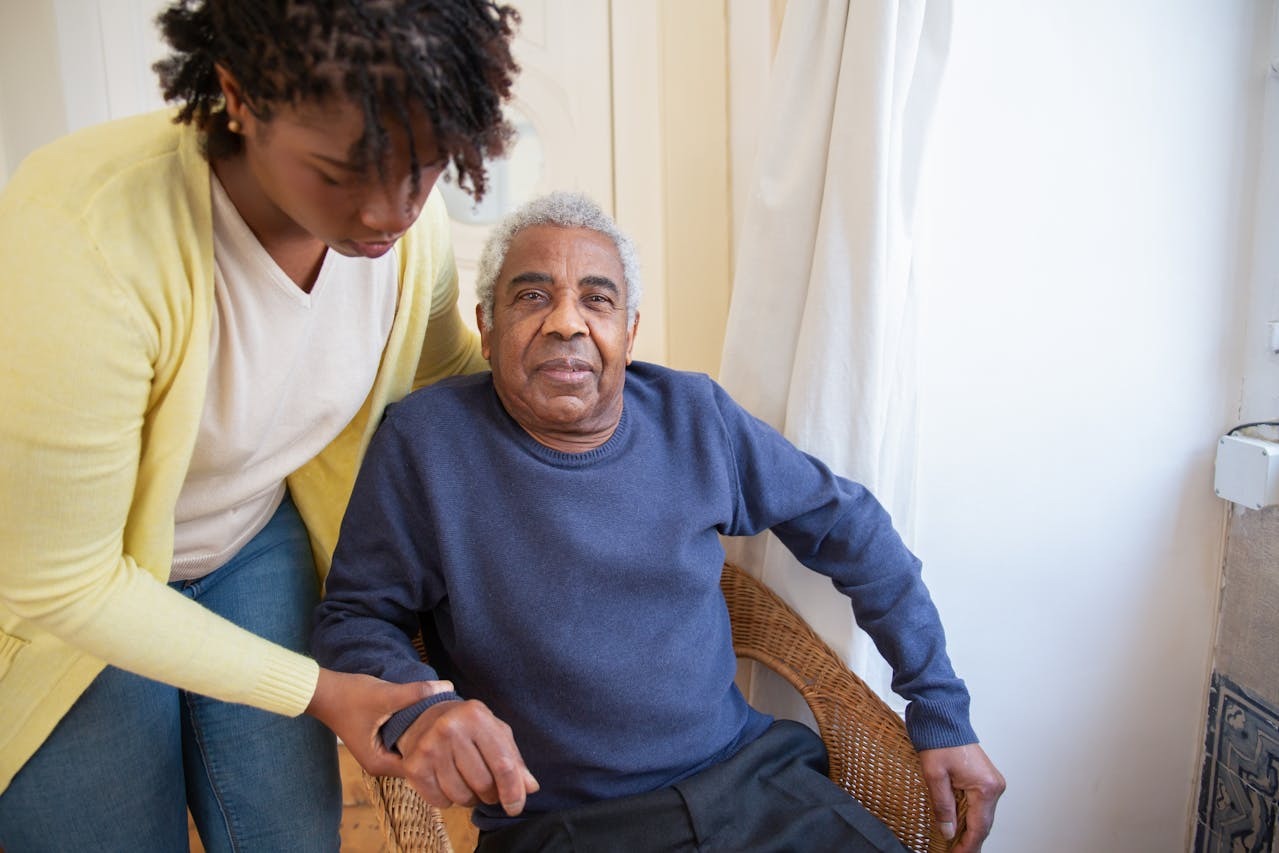
4 Simple Ways to Support Peaceful Aging at Home
*Collaborative Post
When someone you love needs more support to stay comfortable and safe at home, the changes can feel overwhelming. You’re navigating medical equipment, home modifications, and daily care routines while trying to preserve your loved one’s independence and dignity. Many caregivers tell us they want to create a peaceful environment where their family member can age comfortably, but they’re not sure where to start.
Supporting peaceful aging at home doesn’t require a complete overhaul. With a few thoughtful adjustments focused on comfort, safety, accessibility, and emotional wellbeing, you can create an environment that helps your loved one feel secure and cared for. For many families, beds for disabled people become a cornerstone of home care, providing the adaptability needed as mobility and comfort requirements change. Here are four practical approaches that make a real difference.
1. Prioritize Comfort Through Adaptive Sleeping Arrangements
Sleep quality significantly impacts overall health and mood, especially for older adults. A poll on Healthy Aging found that 46% of adults aged 65-80 regularly have trouble falling asleep. The National Institute on Aging notes that older adults often struggle with sleep due to illness, pain, and medications, which can lead to memory issues, mood changes, and increased fall risk.
One of the most impactful changes you can make is ensuring your loved one has a bed that adapts to their changing needs. High-low adjustable beds address many challenges by allowing both height and position adjustments. The bed height can be lowered to make transfers safer and easier, reducing fall risk when getting in and out of bed. When raised, the bed brings your loved one to a comfortable height for caregivers during personal care tasks, helping prevent caregiver back strain.
These beds typically offer head and foot positioning that can help with several common concerns. Research shows that elevating the head of the bed can reduce acid reflux symptoms and make breathing easier for those with respiratory conditions. Raising the feet can improve circulation and reduce swelling. The Arthritis Foundation notes that certain positions can help relieve pressure on arthritic joints or reduce lower back discomfort.
When considering high-low beds for home use, look for models with easy-to-use controls. Wireless remotes with large, clearly labeled buttons work well for people with limited dexterity or vision challenges. Most high-low electric hospital beds accommodate 350-450 pounds, but specialized bariatric models supporting 600 pounds or more are available for those who need higher capacity.
2. Reduce Fall Risks With Strategic Home Modifications
Falls remain the leading cause of injury among older adults. Research indicates that about 60-80% of falls among older adults occur in or around the home.
Creating a safer environment doesn’t mean your home needs to look clinical. Start by removing or securing loose rugs and ensuring adequate lighting in hallways, bathrooms, and bedrooms. Motion-sensor nightlights provide illumination without requiring your loved one to fumble for switches in the dark.
Bathroom modifications often provide the biggest safety return. Grab bars near the toilet and in the shower provide your loved one with a sturdy surface to hold during transfers. A shower chair eliminates the need to stand on wet surfaces. Non-slip mats are suitable for both inside and outside the tub or shower.
In the bedroom, the correct bed height is crucial for fall prevention. When your loved one can sit on the edge of the bed with their feet flat on the floor, they have better stability during transfers. This is where the adjustable height feature of a low adjustable bed for elderly users becomes particularly valuable. You can customize the height to match their specific needs and adjust it again if their mobility changes.
3. Maintain Independence Through Accessibility
Preserving independence directly affects emotional well-being and self-esteem. When your loved one can complete daily activities without constant assistance, they maintain a sense of control and dignity that’s vital to peaceful aging.
Research consistently shows that maintaining functional independence correlates with better mental health and life satisfaction. Limitations in daily activities were linked to lower life satisfaction among older adults. Aging in place allows seniors to maintain their independence and routine, which contributes significantly to overall well-being.
Electric hi-low hospital beds contribute to this independence in multiple ways. When someone can adjust their bed position without calling for help, they regain control over their immediate environment. They can sit up to read, lower the bed to get up during the night, or find a comfortable position for watching television without waiting for assistance.
Beyond the bed, consider other accessibility modifications.
Are light switches, thermostats, and frequently used items positioned within easy reach? Does the bathroom setup allow them to manage personal care with minimal help? Sometimes independence means having the right assistive devices on hand, like a bedside commode for nighttime use or a reacher tool for picking up dropped items.
The goal is to find the balance between safety and autonomy. Your loved one should have support available when needed, but not more intervention than necessary.
4. Create Emotional Comfort and Connection
Physical comfort and safety matter tremendously, but emotional well-being is equally important for peaceful aging. Social isolation and loneliness in older adults are associated with increased risks of dementia, heart disease, and depression. About one-quarter of community-dwelling Americans aged 65 and older are socially isolated.
Creating opportunities for connection doesn’t require elaborate plans. Regular visits from family and friends provide vital social interaction. Video calls work well for relatives who live far away. Some older adults enjoy social media platforms that let them stay connected with extended family.
The physical setup of your loved one’s space affects their ability to stay connected. If they spend significant time in bed, position it so they can see out a window or watch television easily. A bedside table should hold items they enjoy, whether that’s books, photo albums, craft supplies, or a tablet for staying in touch with family.
Consider your loved one’s hobbies and interests. Can they still participate in activities they’ve always enjoyed, perhaps with some modifications? Someone who loves gardening might enjoy tending container plants within reach. A former card player might appreciate regular game sessions with family or neighbors.
Don’t underestimate the power of simply being present. Sitting together, having conversations, or watching favorite programs creates a meaningful connection. Your loved one benefits from knowing they’re not alone, that they’re still valued and included in family life.
Moving Forward With Confidence
Supporting peaceful aging at home is a gradual process. You’ll likely make adjustments as your loved one’s needs change, and that’s completely normal. The key is staying attentive to what’s working and what isn’t.
Start with one or two modifications that address your most pressing concerns. Maybe that’s investing in a high-low smart adjustable bed to improve sleep quality and reduce fall risk during nighttime transfers. Or perhaps it’s bathroom safety equipment that gives your loved one more confidence with personal care.
Remember that you don’t have to figure everything out alone. Home health professionals, occupational therapists, and experienced medical equipment providers can offer guidance tailored to your specific situation. Your efforts to create a comfortable, safe, and emotionally supportive environment make a genuine difference in your loved one’s quality of life.
*This is a collaborative post. For further information please refer to my disclosure page.
Related Posts:
Your Ultimate Home Move Checklist

*Collaborative Post Are you about to move house? If so, it’s time to start preparing for that. If you don’t, Read more
The Parent’s Guide to Weight Loss: Effective Tips to Stay Healthy and Fit

Being a parent is a full-time job. You have to cook, clean, work, and take care of your kids. It's Read more
Review | Scentered Aromatherapy Wellbeing Balms and Candles
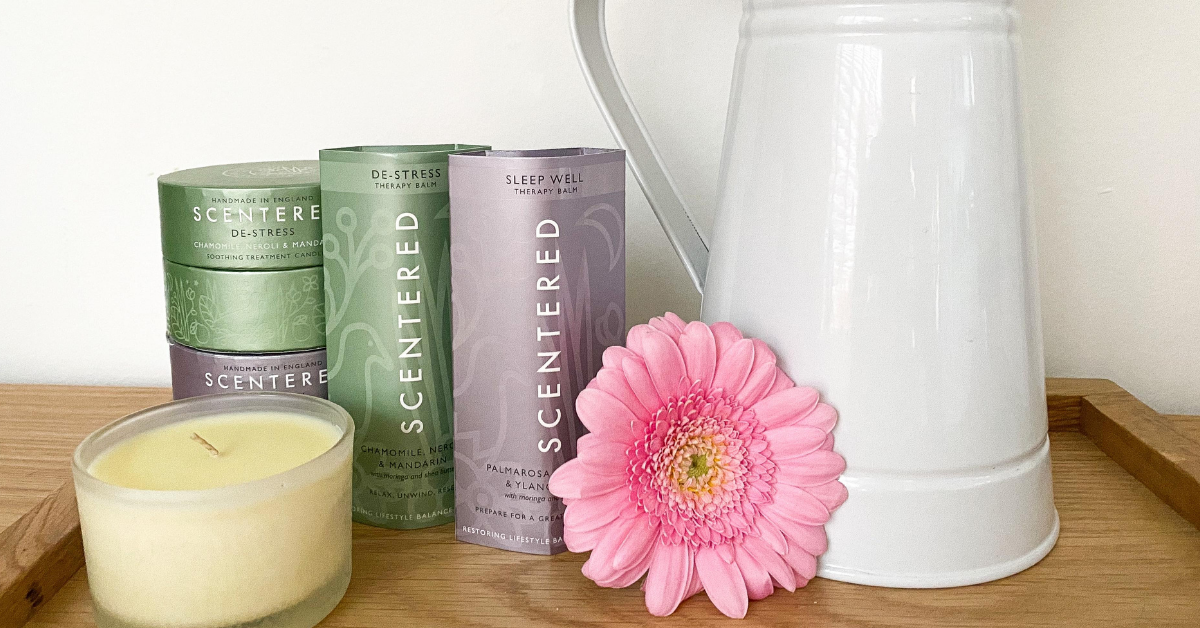
*Ad As a busy Mum of 2 very active boys, I find self-care to be one of the hardest things Read more
Inspired Dining Room Ideas You Should Consider
*Collaborative Post Is it time for you to enliven your dining room and make it more visually appealing than it’s Read more