
How to Balance Lifestyle and Health Needs
*Collaborative Post
Balancing lifestyle and health needs is harder than it sounds. Your alarm screams at 6 AM. You’re already tired. Breakfast? No time for that. Your shoulder’s been bugging you for weeks but there’s too much on your plate today.
You tell yourself you’ll sort it out later. Later never comes. Most of us treat our bodies like they’re indestructible until they prove otherwise. That clicking knee can wait. The daily headaches are probably fine. Then one day your body decides it’s done waiting.
Recognize Your Body’s Warning Signs
Your body doesn’t suddenly break. It warns you first. Sometimes for months. You sleep a full eight hours and wake up feeling like you got hit by a truck. Headaches roll in every afternoon around the same time. Your back aches more often than it doesn’t.
Stop brushing these off as normal. They’re not.
Living with constant pain changes everything. Work becomes something you endure instead of do. You can’t sleep because nothing feels comfortable. You get irritated with people for no real reason. Pain hanging around longer than three months needs professional eyes on it. Pain management doctors can actually track down what’s wrong instead of you just suffering through it.
Your body’s got its own language. Upset stomach every Sunday evening? That’s dread about Monday. Pounding head after lunch? You’re not drinking enough. Creaky knees when you stand? Could be inflammation from sitting too much.
When stuff hurts matters. Morning stiffness is different from pain that builds all day. Feel great Saturday and Sunday but miserable Monday through Friday? Something at work is messing you up. Could be your chair. Could be stress. Probably both.
Build Sustainable Daily Habits
Everyone loves the idea of completely transforming their life. New year, new you, right? Then reality hits and by January 5th you’re back to old patterns. Small tweaks beat grand plans every single time.
Here’s what actually sticks:
- Sleep consistency: Same bedtime every night. Even Friday. Even when your favorite show drops a new season. Your body craves routine. Most folks need seven to eight hours but you might be different.
- Movement breaks: Your desk chair is slowly wrecking your spine. Get up every half hour. Walk somewhere. Anywhere. Touch your toes. Just move. Set an alarm if you space it.
- Hydration timing: Water bottle stays on your desk. Period. Don’t wait until your mouth’s dry. By then you’re already behind. Drinking throughout the day stops problems before they start.
- Meal planning: Cook extra on your day off. Stick it in containers. Future you will be grateful when it’s 8 PM and you’re starving. Beats ordering takeout again.

Connect new habits to old ones. That’s the trick. Chug water while coffee brews. Do calf raises while brushing teeth. Take calls standing or pacing. These tiny additions barely register but they compound.
The CDC says adults need 150 minutes of moderate movement weekly. Sounds like a lot until you break it down. Twenty minutes a day. Find something you don’t actively hate. Dancing counts. Yard work counts. Chasing your dog around counts.
Manage Chronic Conditions Without Losing Yourself
Long-term health stuff requires adjusting how you operate. These conditions need regular care but they don’t own you. You’re not defined by your diagnosis. You’re a person dealing with some medical things. Big difference.
Doctor visits become normal appointments like getting your hair cut. Book them when work’s slower if you can. Keep everything digital. One folder. Easy to find when you need it.
Getting Your Medication Routine Right
Pills in the bottle help nobody. You need a system that matches your actual brain. Some people swear by phone alarms. Others like those plastic organizers from CVS. Take everything with breakfast if mornings work. Do it before bed if that’s easier.
Whatever clicks for you, stick with it.
Taking a Multi-Angle Approach to Pain
One magic solution for chronic pain doesn’t exist. Sorry. Multiple things working together give you better odds. Physical therapy retrains how you move. Medication handles the rough days. Changing daily habits prevents flare-ups. Sometimes procedures help specific problems.
Your treatment should change as life changes.
Talk to doctors like they’re regular people. Because they are. Write questions in your phone before appointments. Track what makes pain worse or better. Be straight about what treatments help and what’s useless. They can’t fix your plan if you pretend everything’s peachy when it’s not.
Create Your Personal Health Action Plan
Generic internet advice assumes everyone’s situation is identical. It’s not. Maybe you work nights. Maybe you’re broke right now. Maybe you’ve got three kids and elderly parents depending on you. Cookie-cutter tips ignore real life.

Build something that works for you:
- Check where you are now: Write down a typical day. All of it. When you sleep, what you eat, when pain hits, how much you move. Be brutally honest about what’s working and what sucks.
- Pick clear targets: One or two changes you can actually do. “Get healthy” means nothing. “Walk around the block after dinner” is specific.
- Spot your roadblocks: What’s really in your way? No time? Too much pain? Dead tired? No clue where to start? Each problem needs its own fix.
- Get support lined up: Tell somebody what you’re trying. Join online groups with people facing similar stuff. Going alone makes it way harder.
- Check in regularly: Look at progress every couple weeks. Drop what’s not helping. Notice wins even when they’re small. Momentum takes time.
Your plan needs daily habits that prevent problems. It also needs emergency strategies for when symptoms spike hard. You need both ready.
Money shapes health choices for most of us. Walking is free. YouTube’s packed with free workout videos. Library cards get you health books without spending anything. Community health centers charge based on what you earn. Lots of insurance plans cover preventive visits at no cost according to the National Institutes of Health.
Moving Forward With Balance
Health and lifestyle balance never ends. You don’t check it off and move on. Life keeps throwing new stuff at you. Your needs shift constantly. Keep checking in with yourself and your medical team.
Pick one thing to change this week. One. Choose something easy that’ll make a real difference in how you feel. Add more as habits become automatic. Change happens slowly through small actions over time. Not dramatic overnight transformations that sound good but fall apart fast.
*This is a collaborative post. For further information please refer to my disclosure page.
Related Posts:
How Home Podiatry Services Make Foot Care Easier for Seniors
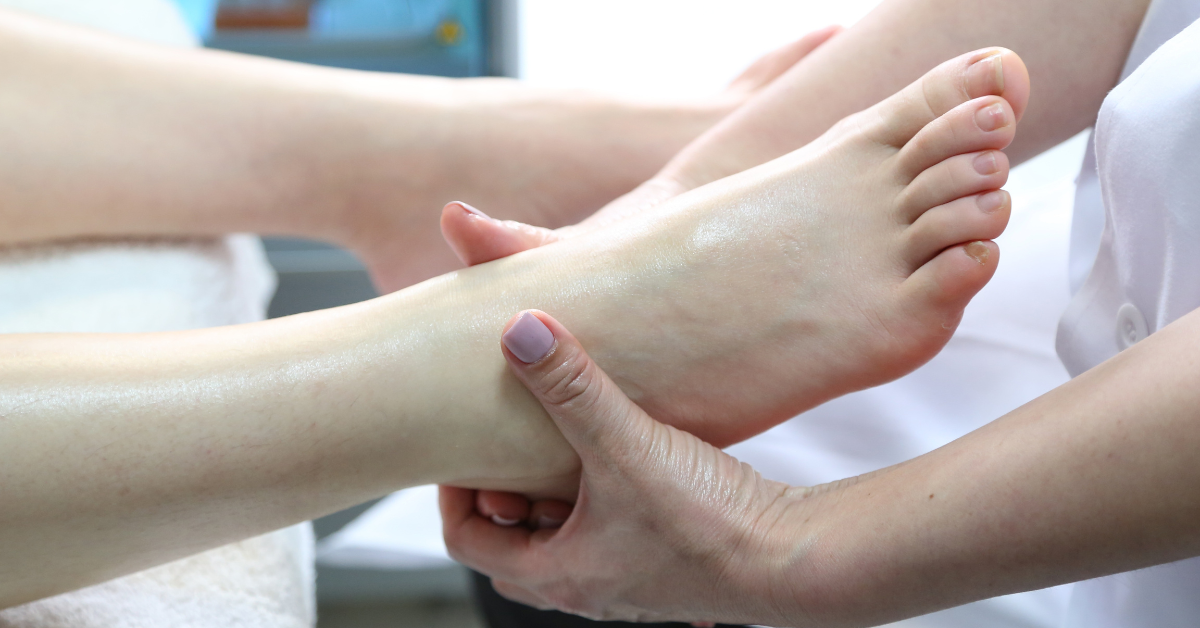
As we age, taking care of our feet becomes increasingly important, yet it’s often one of the most overlooked aspects Read more
Brewing 101 – The Basics of Making Coffee at Home

Whether you're a coffee snob or someone who just enjoys drinking a cup of joe, the process of brewing your Read more
How to Train as a Pilates Instructor in the UK: Costs, Courses and What You Can Earn

Pilates seems to be everywhere at the moment, doesn't it? Reformer studios have popped up in what feels like every Read more
How Your Electricals Could Be Significantly Increasing Your Carbon Footprint
We are all very aware that we need to reduce our carbon emissions and most people will think of this Read more