
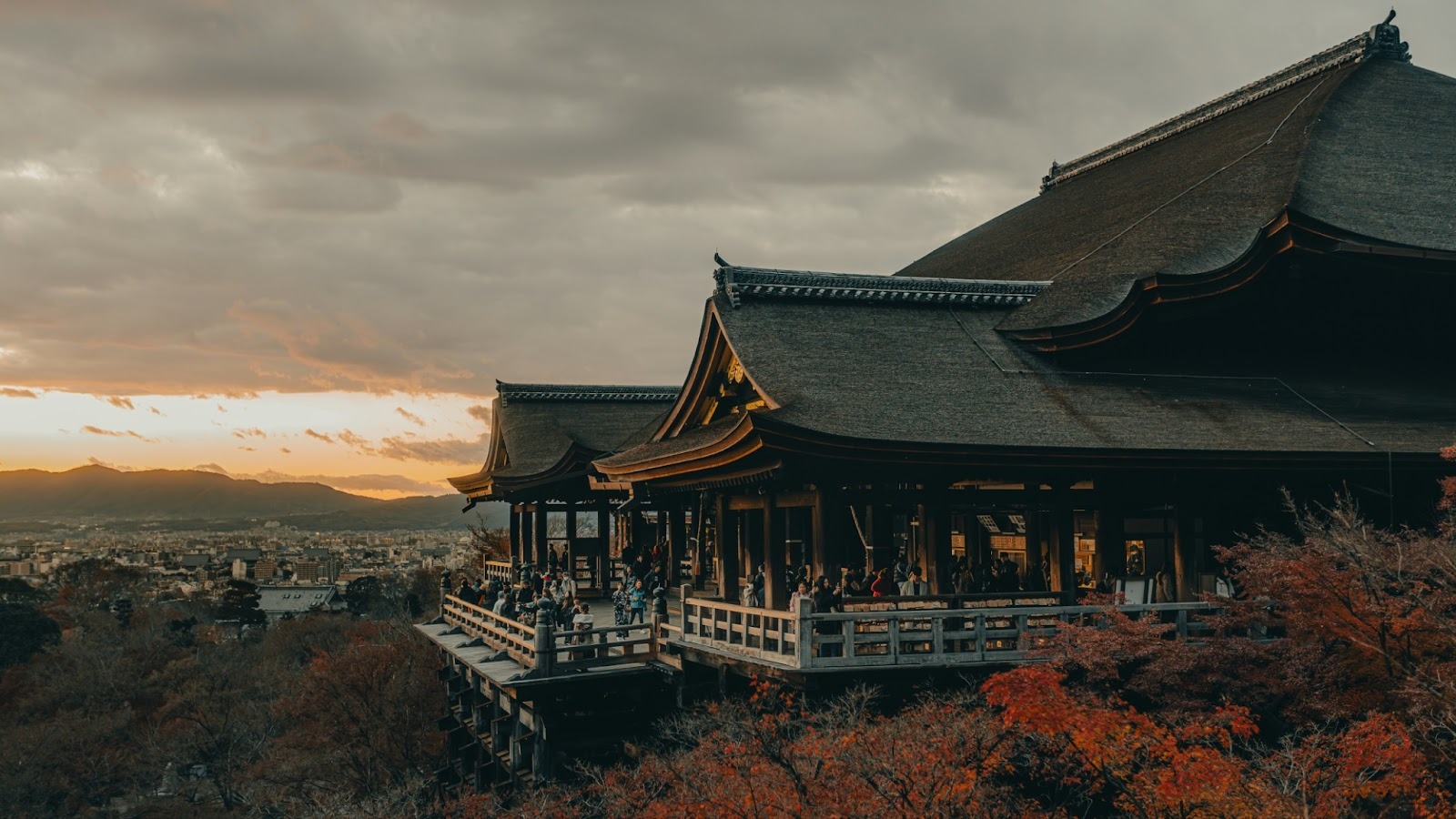
Golden Pavilions, Quiet Shrines, and Neon Streets: Japan’s Changing Face by 2026
*Collaborative Post
There are few places on earth where the past and the future meet so effortlessly. Japan, ever disciplined yet endlessly creative, continues to reinvent itself without losing sight of its essence. As 2026 approaches, the country stands at a fascinating crossroads — balancing its deep-rooted traditions with a modern vision of connection, sustainability, and quiet innovation.
From Kyoto’s golden reflections to Tokyo’s sleepless glow, Japan’s shifting face reveals a nation that knows how to evolve without erasing what came before.
Where Stillness Meets Speed
Nowhere is Japan’s duality more visible than on its railways. The network of high-speed trains doesn’t just link cities — it connects eras. Travellers experiencing Firebird Tours Japan often describe the moment they board the Shinkansen as stepping into another dimension.
The train slides out of Tokyo in near silence, slicing through the sprawl of concrete and glass. Within minutes, the skyline softens into open fields and distant mountains. There’s something profoundly human in this transition — from the hum of industry to the hush of nature — all unfolding at 300 kilometres per hour.
Through the window, Mount Fuji appears like a pause button in the landscape. Time seems to slow, even as the world races by.
Kyoto: The Heart That Remembers
A few hours later, Kyoto greets you with a very different rhythm. It’s a city that breathes history but refuses to stand still. Here, every temple and alleyway tells a story. The Kinkaku-ji, or Golden Pavilion, glimmers against its pond, the reflection so perfect it feels painted. Nearby, wooden houses lean gently into narrow streets where the smell of incense and green tea floats through the air.
Life in Kyoto unfolds quietly. Locals still bow to greet one another. Bicycles glide past centuries-old shrines. In tiny teahouses, the art of preparation is a kind of meditation — every gesture deliberate, every pause meaningful.
You realise that Kyoto’s strength isn’t nostalgia; it’s endurance. It’s the calm confidence of a city that knows change will come, but beauty will remain.
Bridging Tradition and Tomorrow
Japan’s ability to look forward without letting go of its past is what makes it so compelling in this moment of transformation. Urban planners and cultural guardians are finding new ways to preserve what matters most — while embracing innovation as part of the same story.
According to experts involved in Firebird Tours 2026, upcoming travel experiences will highlight this fusion more vividly than ever before. Visitors will see how traditional crafts are being reimagined through technology, and how rural regions — once overshadowed by megacities — are rediscovering vitality through sustainable tourism.
It’s not just about sightseeing anymore. It’s about understanding a country that sees progress as a circle, not a straight line.

Tokyo: The Pulse of Reinvention
If Kyoto is the soul, Tokyo is the heartbeat. It’s impossible to visit without feeling both overwhelmed and deeply inspired. This is a city that never truly stops — it only changes tempo.
By day, the orderliness of it all is hypnotic: trains arriving to the second, crowds moving in silent unison, vending machines humming quietly on every corner. By night, Tokyo becomes something else entirely — a theatre of light and motion. The streets of Shinjuku and Shibuya blaze with energy, as though the city itself were alive.
Yet amid the chaos, there are pockets of peace. You might stumble upon a tiny shrine between skyscrapers or find yourself standing alone on a quiet bridge watching the city’s reflection ripple through the Sumida River. Tokyo teaches you that stillness can exist anywhere — even in motion.
The Art of Everyday Life
One of Japan’s most extraordinary qualities is its devotion to detail.
The nation has turned the ordinary into art — from the perfect pour of tea to the delicate arrangement of food on a plate. This philosophy, known as shokunin, celebrates mastery in even the smallest task.
A craftsman in Kyoto may spend years perfecting the curve of a bamboo whisk. A sushi chef in Tokyo sharpens his knife with the same focus as a monk in prayer. To an outsider, it can seem obsessive; to the Japanese, it’s simply respect — for the craft, for the material, for the moment.
This pursuit of precision isn’t about control, but about care. It’s how Japan maintains grace in a world that rushes too quickly.
Seasons, Symbols, and Small Miracles
Every season in Japan carries its own rhythm and emotional weight. Spring bursts open with cherry blossoms that remind everyone how fragile beauty can be. Summer hums with the sound of cicadas and the echo of distant festivals. Autumn blazes in red and gold, and winter — cold, clear, silent — brings a kind of stillness that feels almost sacred.
To the Japanese, nature isn’t something to visit; it’s something to live alongside. The country’s most profound spiritual traditions, from Shintoism to Zen Buddhism, draw their wisdom from the natural world.
A falling leaf, a stone garden, a single raindrop — each is an invitation to pause, notice, and breathe.
A Nation Built on Harmony
At the heart of Japan’s transformation lies an old word: wa. It means harmony, balance, and peaceful coexistence.
This idea shapes everything — the architecture of homes, the etiquette of meetings, the design of cities. Even Tokyo’s complexity feels ordered because it’s built on this invisible rhythm of respect.
Japan doesn’t fight its contradictions; it integrates them.
Ancient temples stand beside digital art museums. Wooden ryokans host travellers with smartphones in hand. The modern and the ancestral share the same space — not in conflict, but in quiet dialogue.
It’s this balance that gives Japan its timelessness.
Rural Japan: The Quiet Future
While the cities evolve at lightning speed, rural Japan is finding its own way forward. Villages once at risk of fading are being revived through art, ecology, and slow travel.
Farmers open their homes to visitors. Craftspeople teach centuries-old techniques to new generations. The countryside offers what the cities can’t — silence, community, continuity.
These regions are the heartbeats that keep Japan grounded. They remind travellers that progress doesn’t always mean movement. Sometimes, it means staying — and tending what already exists.
A Spiritual Thread Through It All
Whether in a crowded Tokyo crossing or beneath Kyoto’s temple eaves, spirituality hums through Japanese life. It’s not tied to doctrine but to awareness — a constant acknowledgment of the moment.
Lighting a candle, bowing at a shrine, pausing before a meal — these are small rituals of gratitude that weave faith into the fabric of daily living.
This quiet reverence, shared by millions, gives the country a sense of collective peace that feels rare in the modern world.
The Japan of 2026 and Beyond
By 2026, Japan will look different — sleeker trains, smarter cities, more sustainable tourism. Yet beneath the innovation, the essence will remain. The same grace that guided a tea ceremony centuries ago will guide the robots serving coffee in Tokyo. The same patience that shaped Kyoto’s gardens will shape the design of its smart homes.
Japan’s evolution isn’t about becoming new; it’s about becoming more itself.
And for travellers who come to see it — whether through ancient gates or futuristic glass — it offers not just a destination, but a reflection: a lesson in how to move forward while staying rooted.
Because Japan doesn’t just change. It refines.
*This is a collaborative post. For further information please refer to my disclosure page.
Related Posts:
7 Overlooked Ways to Reduce Travel-Related Costs (Without Sacrificing Quality)

Travelling has always been a popular pastime, but arguably never more than right now. According to one study, 66% of Read more
Top 10 Must-Visit Holiday Rentals Around the World to Explore in 2025

The vacation rental industry has been booming in recent years, with travelers seeking personalized and unique accommodations that offer more Read more
Family-Friendly Bike Adventures

For those that prefer their downtime to come with a slice of adventure, cycling holidays have a lot to offer. Read more
8 Reasons Why Our Florida Holiday Was Absolutely Amazing!

*Collaborative Post In March this year, we visited Florida for the very first time. If you have read some of Read more