
7 Signs Your Family Home Needs Mould Remediation Services
*Collaborative Post
Mould rarely appears overnight. It usually develops slowly, triggered by excess moisture, poor ventilation, or unresolved damp issues. What starts as a minor inconvenience can grow into a wider problem that affects both the condition of the home and the wellbeing of those living in it.
Knowing what to look out for makes it easier to act early and avoid long-term issues. Read on to understand the clearest signs that professional support may be needed.
- Repeated Damp Issues After Repairs
If leaks, flooding, or damp treatments have been carried out before, but problems keep returning, it’s often a sign that the underlying cause hasn’t been fully resolved. In these situations, professional mould remediation may be required to remove contamination safely and address moisture at its source, rather than treating visible symptoms alone.
- Persistent Damp or Musty Smells
A musty or earthy smell that lingers after cleaning is often an early warning sign. These odours tend to come from mould growing out of sight, such as behind walls, beneath flooring, or inside roof spaces. Air fresheners or open windows might mask the smell briefly, but if it keeps returning, there’s likely a deeper moisture issue that needs professional attention.
- Visible Mould
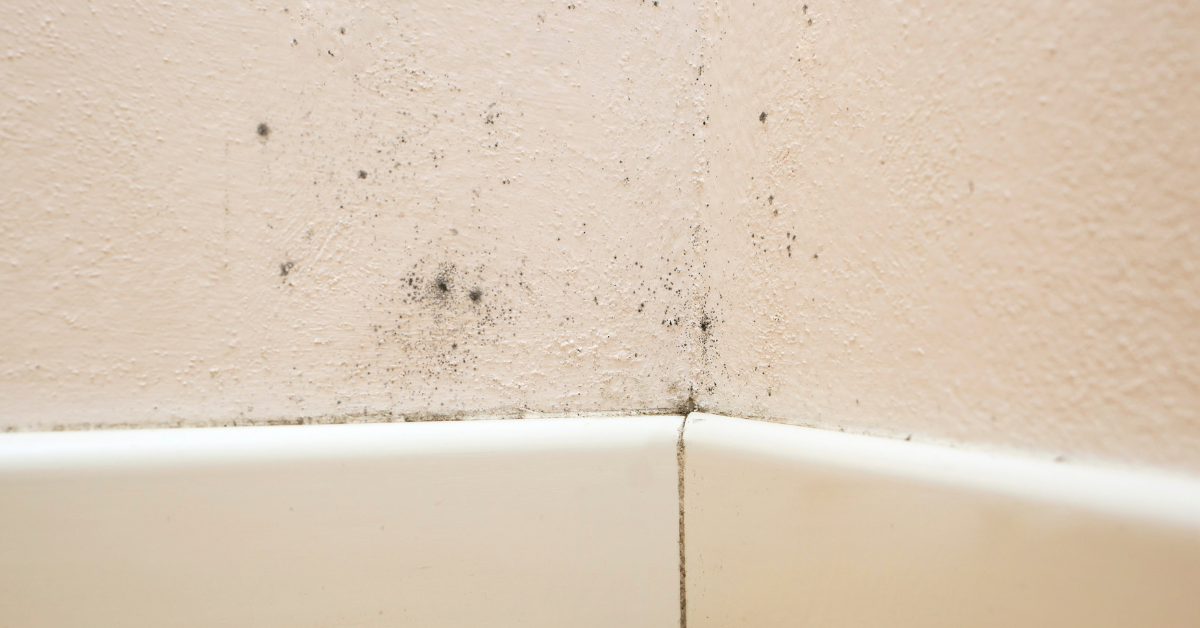
Seeing mould on walls, ceilings, or around window frames is a clear signal. What’s more concerning is when mould comes back after wiping or repainting. This often means the surface has been treated, but the moisture feeding the mould hasn’t been resolved.
Bathrooms, kitchens, and bedrooms are common problem areas, especially corners where airflow is limited.
- Ongoing Condensation on Windows and Walls
Condensation is common in homes, particularly during colder months. However, regular or heavy condensation, especially on bedroom windows and external walls, suggests excess moisture in the air. Over time, this creates the right conditions for mould to develop.
So, make sure to ventilate your spaces properly. It’s important to open the windows and let in some fresh air every morning, throughout the day, and before bed, especially in winter.
- Peeling Paint and Damaged Plaster
When paint starts bubbling, flaking, or peeling away, moisture is often trapped beneath the surface. Likewise, cracked, soft, or crumbling plaster can indicate long-term damp. These signs usually appear before mould becomes clearly visible, making them an important early indicator that shouldn’t be overlooked.
- Health Symptoms That Ease Outside the Home
Some people notice coughing, sneezing, or breathing discomfort that feels worse indoors and improves when they leave the property. While symptoms vary from person to person, indoor mould exposure is often linked to respiratory irritation or allergy-like reactions. Still, respiratory issues can have many causes. This is why mould-related health effects are usually discussed as a possibility rather than a certainty.
- Dark Patches in Hidden or Low-Use Areas
Mould often thrives where it’s least disturbed. Some common hiding spots include:
- Behind wardrobes
- Inside cupboards
- Under stairs
- In lofts
- Dark corners
- Basements
These spaces tend to have limited ventilation, allowing moisture to build up unnoticed. Regular checks of these areas help catch problems early before mould spreads further into living spaces.
In Summary: Act Before Problems Escalate
Mould issues tend to worsen when ignored. Over time, they may lead to greater structural damage, higher repair costs, and ongoing disruption for occupants. Identifying the signs early allows for more effective solutions and helps protect the long-term condition of the property.
If several of these warning signs sound familiar, it’s sensible to seek specialist advice rather than relying on repeated surface cleaning. Addressing the root cause is the most reliable way to manage mould and prevent it from returning.
*This is a collaborative post. For further information please refer to my disclosure page.
Related Posts:
How Short-term Care Could Ease a Loved One’s Life

In the ever-evolving landscape of healthcare and senior living, short-term care is a versatile option for individuals and families navigating Read more
Tips For Secondhand Shopping

Secondhand September is upon us and it is such a great time for us to shift our focus from buying Read more
One Foot In The Material World: Learning To Live A (Partly) Minimalist Lifestyle

*Collaborative Post It's not something that necessarily enters our mind as a parent. While we want to teach our children Read more
The Benefits of Laser Treatment for Chiropractic Patients

Chiropractic care is a drug-free, non-invasive form of treatment that has helped millions of people across the world. It focuses Read more