

Supporting Your Family During Mental Health Challenges: Tips for Parents
*Collaborative Post
Parenting is one of life’s biggest rewards, but it can also be utterly stressful – particularly when your kids or other family members are struggling with their mental health. Those moments when anxiety shows up, or moods swing wildly, or you’re in the middle of a full-blown crisis can feel like you’re in way over your head – and you might not know what to do, or even how to support them properly. Even the everyday stuff – like switching schools, a new job, or dealing with changes back home – can just make things worse and create all sorts of tension in the family.
Getting a handle on mental health needs at home is just about the most important thing you can do for the well-being of your kids – and yourself, too. Many families find it helpful to think of this process as creating their own parents guide to mental health for teens, adapting strategies that support emotional resilience and open communication during the most challenging years. Nobody has all the answers, but finding a bit more awareness, being a whole lot more patient, and setting up more supportive routines – it can make a real difference in the end. This article offers practical tips and strategies for parents to promote and support their children’s mental well-being, while reducing stress levels within the family.
Recognizing Signs of Stress and Mental Health Challenges in Children

Children often show signs of stress and mental health challenges in ways that are different from adults. Recognizing these signs early can help parents provide timely support and prevent issues from escalating. Behavioral changes are one of the most noticeable indicators. Children may become unusually irritable, withdrawn, or experience frequent mood swings. They might struggle with schoolwork, avoid social interactions, or display sudden changes in interests and activities.
Physical symptoms can also signal stress or emotional struggles. Trouble sleeping, recurring stomach aches, headaches, or loss of appetite are common signs that a child may be experiencing anxiety or other mental health challenges. It’s important to note that some children may mask their feelings to avoid worrying their parents, or they may express stress through sensory behaviours that seem unrelated at first. For guidance on supporting children with sensory sensitivities, parents can refer to how to support a hyposensitive child at home. Gentle observation and open communication are key. Encourage your child to talk about their feelings without judgment, listen attentively, and validate their emotions. By creating a safe space at home where children feel heard and understood, parents can help them navigate stress, build resilience, and maintain emotional well-being.
Supporting Adult Mental Health at Home: Tips for Parents and Caregivers
Parenting and caregiving are rewarding but often stressful roles. Balancing work, household responsibilities, and family life can lead to stress, anxiety, and burnout. When adults experience emotional strain, it can impact the entire household, affecting children’s well-being and creating tension at home. Supporting your own mental health is therefore not a luxury—it is essential for maintaining a stable, nurturing environment for your family.
Practical strategies can help parents manage stress and build resilience:
- Make time for you: It’s not just about grand gestures – even little things like reading a good book, taking a short walk, or getting back into a hobby can help you unwind & recharge a bit.
- Get some expert help: Talking things over with a trained therapist or counsellor can be a lifesaver. They can give you some much-needed guidance, coping strategies, and emotional support to help you navigate the tough times and make some sense of it all.
- Try some mindfulness & stress-busting techniques: Things like meditation, breathing exercises, or just writing in a journal can help you stay on top of your anxiety & stay in control of your emotions.
- Stick to a routine: Having a clear plan for sleep, exercise, and mealtimes can bring a bit of sanity back into the chaos of family life, and help everyone feel a bit more grounded and less stressed.
- Talk to your mates, or join a support group: Whether it’s just a friendly ear to listen, or some practical advice from someone who’s been through it all too, having people around who get it can be a huge help in times of stress.
Healthy, emotionally stable parents are the key to creating a more positive, secure home for the kids. And that’s not just about you – it’s about modelling the kind of resilience and healthy coping strategies that will serve your family well in tough times ahead. By putting your own mental health first, you’re creating a household that’s less stressed, more supportive, and full of possibilities – and you’re showing your kids by example what it means to be healthy, happy & on top of things. By taking care of yourself, you’re helping to build a home where your kids can grow, thrive & feel secure, even when the going gets really tough
Creating a Supportive Home Environment for Mental Health and Family Well-being
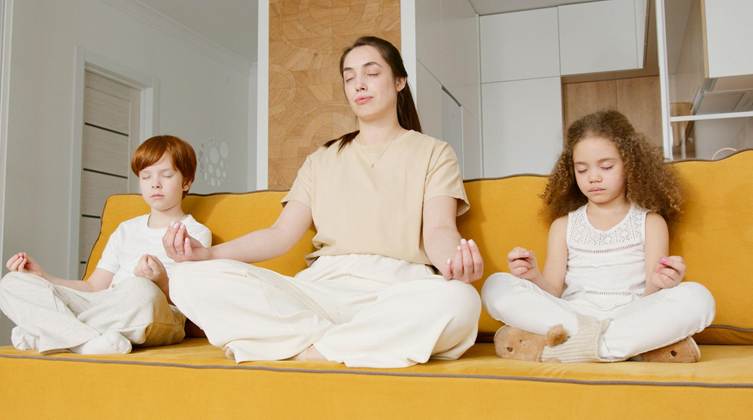
A supportive home environment is totally crucial when it comes to promoting good mental health and looking after overall family wellbeing. One super effective way to create a sense of stability is by sticking to a regular pattern of daily routines – like set mealtimes, bedtime and homework times. Having these sorts of predictable patterns in place really helps kids feel more secure and lowers their anxiety levels while also making it easier for parents to keep on top of their daily responsibilities.
But just as important as having a routine is making sure your family are all able to chat openly with each other – without being judged or criticised. When family members feel able to share their thoughts and feelings with each other and be heard without being told off, it helps build trust and strengthen the bonds between them. And listening properly, taking people’s feelings seriously and responding with a bit of understanding goes a long way towards making each member of the family feel like they’re being properly heard and supported.
Having some quiet spaces in the house can also make a real difference to family wellbeing. Having a place to retreat to where you can get some peace and quiet – either for reading, just sitting quietly or doing some mindful stuff – can give both adults and kids a real break from all the stresses of daily life. And parents can show their kids how to calm down and deal with stress by modelling some healthy ways to manage their own emotions – like deep breathing, writing down how they feel or calmly sorting out tricky problems. By putting these things all together – and sticking to a daily routine, having open talks and having quiet spaces to get away in – families really can create a home environment that helps everyone be more resilient and better able to look after their own mental health.
Preparing for Mental Health Emergencies: Tips for Parents and Caregivers
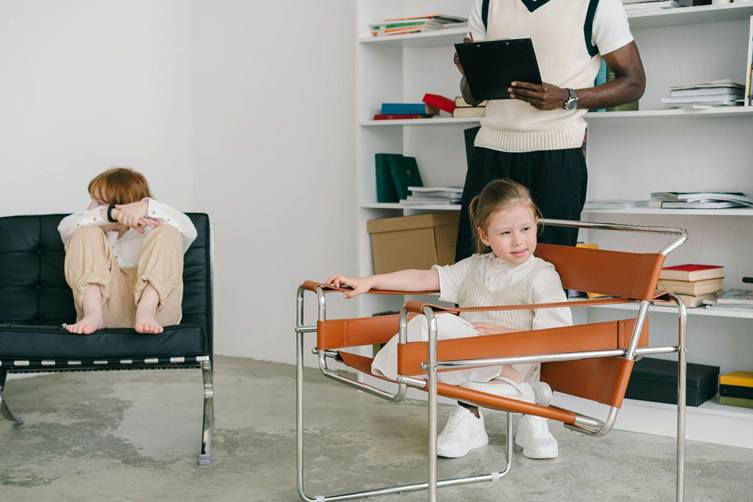
Emergencies and crises can arise unexpectedly, and having a plan in place can make a significant difference in how families respond. Parents and caregivers should familiarize themselves with local support services, crisis helplines, and nearby hospitals so they can act quickly when a high-stress situation occurs. Knowing who to contact and what steps to take helps reduce panic and ensures that children and adults receive the appropriate care promptly.
In situations where urgent support is needed, families can rely on professional services such as a Secure ambulance patient Transfer service to provide safe and timely assistance. These services are staffed by trained personnel who understand mental health crises and can transport patients securely to the appropriate care setting.
During emergencies, it’s important for parents to stay calm, communicate clearly, and prioritize safety above all else. Preparing ahead of time, including discussing emergency plans with family members, helps ensure that everyone knows what to do and can reduce stress during critical moments. Thoughtful preparation empowers families to handle crises with confidence while keeping their loved ones safe and supported.
Practical Tips and Daily Habits to Support Family Mental Health
Building positive daily habits can have a powerful impact on mental health for both parents and children. Incorporating mindfulness, outdoor activities, and structured routines helps reduce stress and foster emotional wellbeing within the household. Small, intentional practices can create a sense of stability and connection while encouraging healthy coping mechanisms for the entire family.
Some practical tips and daily habits to consider include:
- Mindfulness and relaxation: Short meditation sessions, deep breathing exercises, or guided mindfulness activities can help both adults and children stay calm and focused.
- Family walks and outdoor activities: Regular time spent outdoors promotes physical health, strengthens family bonds, and reduces stress.
- Journaling or gratitude practices: Writing down thoughts, feelings, or things you are grateful for encourages reflection and emotional processing.
- Reduce screen time and create tech-free zones: Limiting device use during meals or before bedtime encourages better sleep, communication, and presence.
- Establish relaxation routines: Consistent bedtime rituals, quiet reading time, or gentle stretching help the whole family unwind at the end of the day.
By integrating these daily habits, parents can create a supportive, nurturing home environment that enhances emotional resilience, reduces stress, and promotes overall family mental wellbeing.
*This is a collaborative post. For further information please refer to my disclosure page.
Related Posts:
Dr Althea: Gentle Korean Skincare That Works for Busy Parents

Most parents will agree: once you have children, even washing your face can feel like a luxury. Between school runs, Read more
How to Choose Your Wedding Dress If You’re an Indecisive Bride

If you're the kind of person who takes fifteen minutes to order coffee and still second-guesses it once it arrives, Read more
Stylish Ways to Reclaim Your Home Post-Christmas

Are you feeling a bit deflated after Christmas, and now all the New Year’s celebrations have subsided into normal life? Read more
A Step-by-Step Guide to Self-Care for Busy Mums

*Collaborative Post Whether your child is five days or fifteen years old, self-care is incredibly important. Everyone’s heard the saying, Read more