

Between Neon Skylines and Ancient Temples: Japan’s Cultural Heartland
*Collaborative Post
Japan is often introduced through contrast. The shock of light against shadow. Precision against quiet. Speed set beside stillness. Yet once you begin moving through the country, those contrasts soften. They stop behaving like opposites and start acting like layers — arranged carefully, maintained daily, and rarely treated as contradictions.
The cultural heartland of Japan isn’t a single place. It’s a corridor of movement and habit that runs between cities, along rail lines, through neighbourhoods where the past remains visible not as memory, but as use. Understanding it requires less explanation and more attention.
Density, Discipline, and Pause in Tokyo
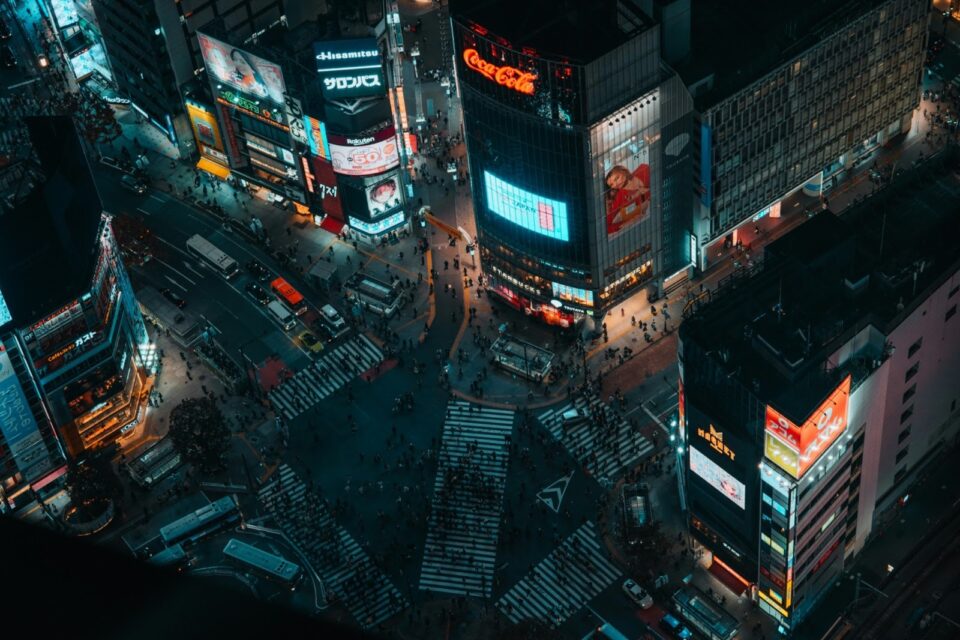
Tokyo appears overwhelming only if you look at it all at once. At ground level, the city behaves with surprising restraint. Movement is fast, but controlled. Crowds flow rather than collide. Even the brightest districts contain pockets of quiet that don’t announce themselves.
Shrines sit between office blocks. Narrow streets break away from main roads without warning. Cafés and bookshops offer stillness without ceremony. Tokyo’s intensity isn’t chaotic — it’s calibrated.
Living here teaches a specific kind of awareness. You learn when to move quickly and when to stop entirely. The city doesn’t force attention; it trains it.
Speed as Continuity, Not Disruption
Japan’s rail system doesn’t interrupt daily life — it underpins it. Trains arrive exactly when expected, platforms operate with quiet choreography, and movement becomes dependable enough to fade into the background.
Travelling on the Tokyo to Kyoto Shinkansen compresses distance without flattening experience. Landscapes shift smoothly, giving the impression of continuity rather than transition. Cities don’t feel separated by travel; they feel linked by rhythm.
For travellers moving frequently between cities, staying quietly connected with tools like the best esim for japan supports this sense of continuity without adding friction to the journey.
Speed here isn’t spectacle. It’s infrastructure — precise, trusted, and intentionally unobtrusive.
Restraint and Ritual in Kyoto
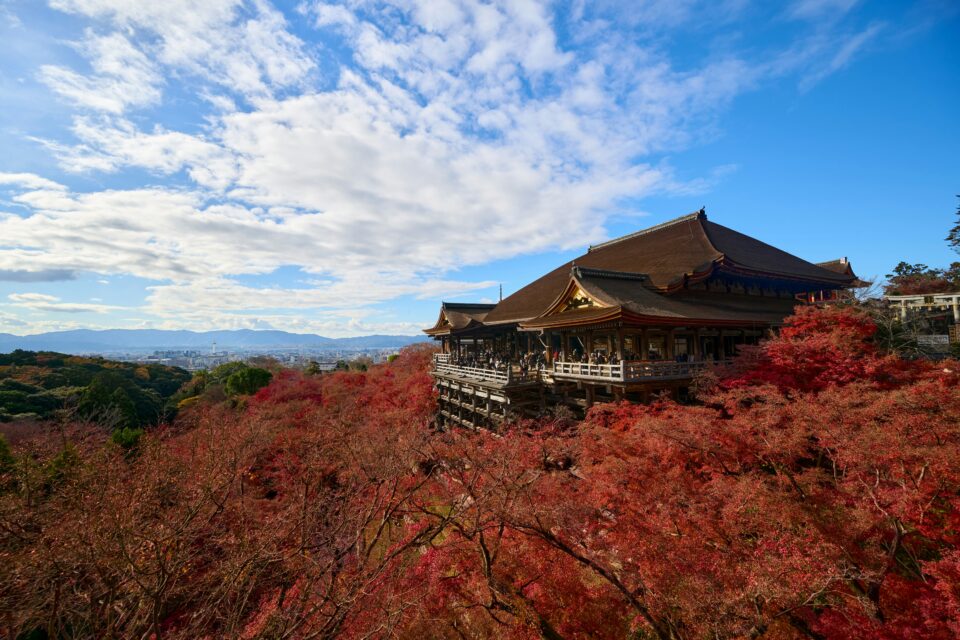
Kyoto often gets described as timeless, but that word misses the point. The city isn’t frozen. It’s selective. Movement is guided rather than restricted. Space is allowed to breathe.
Temples are not set apart from daily life; they’re woven into it. Streets remain lived-in. Shops open with routine familiarity. Gardens invite observation without demanding it.
Kyoto’s calm doesn’t come from resisting change. It comes from knowing what doesn’t need to change. The city teaches that continuity is an active choice, renewed daily through repetition.
Between Cities, the Story Continues
Travel between Japan’s cultural centres feels less like departure and more like continuation. The act of moving becomes part of understanding, not a pause in it.
Taking the Tokyo to Osaka Shinkansen reinforces how seamlessly modern systems support older rhythms. The train doesn’t replace regional character; it carries you into it gently, without forcing contrast.
You arrive adjusted, not disoriented.
Expressive Energy in Osaka
Osaka approaches culture with openness rather than restraint. The city is louder, warmer, more immediate. Food is central. Conversation spills outward. Streets feel social in a way that contrasts with Kyoto’s inward focus.
Yet even here, tradition isn’t abandoned. It adapts. Markets operate on long-established rhythms. Recipes repeat with slight variation. Rituals survive because they remain useful, not because they’re protected.
Osaka shows another side of Japan’s cultural heartland — one where expression and continuity coexist without friction.
Temples That Function, Not Perform
Across the region, temples rarely behave like museums. They are active spaces — entered, used, and exited without ceremony. Worship happens quietly. Visitors move respectfully, but not tentatively.
This normalisation keeps sacred spaces grounded. They don’t demand reverence; they invite familiarity. Over time, this familiarity deepens meaning rather than diluting it.
Sacredness here is not heightened by distance, but by repetition.
Everyday Rituals as Cultural Framework
What links Tokyo, Kyoto, and Osaka most clearly are the rituals that repeat regardless of setting. Shoes removed. Lines respected. Objects returned to place. Silence observed when needed.
These actions aren’t framed as tradition. They’re simply how things work. They reduce friction, support density, and allow difference to exist without conflict.
Culture here operates less through explanation and more through practice.
Light That Guides Rather Than Overwhelms
Japan’s city lights are famous, but they rarely feel aggressive. Illumination is functional, layered, intentional. Signage is dense but ordered. Streets remain readable even at their brightest.
At night, cities soften rather than intensify. Movement continues, but at a measured pace. Energy remains present without exhaustion.
Light doesn’t compete with space here — it clarifies it.
A Cultural Heartland That Moves
Japan’s cultural heartland isn’t confined to temples or skylines. It exists in motion — between stations, along streets, within habits that persist across centuries and technologies.
Neon and stone don’t oppose each other. They coexist because the systems that support them are designed to accommodate both. Change arrives, but it arrives carefully.
For travellers willing to observe rather than rush, this balance becomes visible everywhere.
Why Japan’s Contrasts Feel Whole
Japan’s contrasts don’t feel disruptive because they aren’t treated as exceptions. Modernity doesn’t erase tradition. Tradition doesn’t slow progress. Each adjusts to the other.
Between neon skylines and ancient temples lies a culture that understands continuity as something maintained, not inherited automatically. It survives through attention, repetition, and quiet discipline.
And it’s in that daily effort — rather than any single landmark — that Japan’s cultural heartland truly reveals itself.
*This is a collaborative post. For further information please refer to my disclosure page.
Related Posts:
Why We Are Taking Our Child Out Of School To Go On Holiday

Ok, so as you know by now we are off to Florida in March. What I haven't mentioned is the Read more
Finding a Party Cruise | Choose The Best Nightlife at Sea!

Cruises are a fantastic way to visit a range of different locations, explore and relax. However, the evenings in particular Read more
Joie Commuter Travel Cot Review

*Gifted Product With the imminent arrival of baby number two, we have been looking into the essential items that we Read more
Important Tips for Your First Motorcycle Road Trip
Sometimes we have the desire to travel and see the world differently. Besides the expected planes and cars, taking a Read more