

Copenhagen’s Canals and Stockholm’s Islands: A Journey Through Northern Elegance
*Collaborative Post
Some journeys don’t shout their beauty. They unfold slowly — like a sunrise through fog or a quiet song you only notice halfway through. Travelling between Copenhagen and Stockholm is one of those experiences. It’s not just a trip between two capitals; it’s a lesson in calm, craft, and the art of living beautifully.
Setting Out Between Two Worlds
Copenhagen and Stockholm share the same northern light, but they wear it differently. Copenhagen is the free spirit — creative, sociable, full of laughter echoing off the canals. Stockholm feels more composed, introspective, like a poet who measures each word before speaking.
Most travellers take the Copenhagen – Stockholm trains, gliding through landscapes that shift from soft meadows to dark forests and mirror-like lakes. It’s a journey that takes five hours but feels timeless. Inside, the motion is gentle. You sip coffee, watch the world drift past, and feel something in yourself begin to slow.
Copenhagen: Where Warmth Meets Water
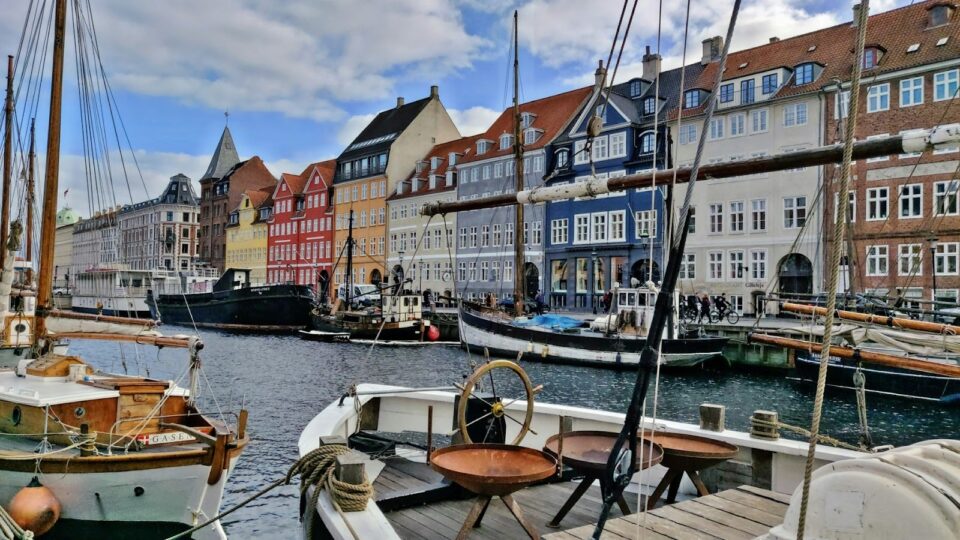
Copenhagen doesn’t demand attention; it earns it. The city unfolds gracefully — canals lined with boats, bicycles leaning against pastel facades, the faint smell of baked cinnamon drifting from a café.
Nyhavn, with its cheerful rows of houses, is the postcard image, but the real city lives beyond it. Locals sip wine on wooden docks, wrap scarves tighter against the wind, and talk softly as the water laps nearby. There’s an ease to life here — not lazy, but deliberate.
The Danes have mastered a rare skill: knowing when to stop. To sit. To savour. And it shows in everything, from the slow rhythm of lunch to the way sunlight settles on polished wood floors.
Design as a Way of Thinking
In Copenhagen, design isn’t decoration — it’s philosophy.
Even the simplest spaces feel purposeful, human. Chairs, lamps, door handles: each has a story. The city teaches that beauty comes from care, not excess.
The same precision appears in the people. They move with quiet confidence, dressed in neutrals that somehow feel expressive. Meals are balanced, interiors calm, and conversation light but meaningful. It’s not coldness — it’s clarity.
There’s poetry in that restraint. It’s a city that understands the luxury of less.
Crossing the Bridge: A Shift in Light
Leaving Denmark, the train glides across the Øresund Bridge, suspended between sky and sea. For a few minutes, you’re neither here nor there — just surrounded by light.
The crossing feels symbolic. On one side, the warmth of Copenhagen; on the other, the quiet refinement of Sweden. It’s a reminder that geography can shape mood.
For travellers, buying train tickets ahead of time is simple — yet this journey shouldn’t be planned down to the minute. It’s best experienced as it was built to be: smooth, reflective, unhurried.
Outside the window, wind turbines turn slowly against the horizon. The water below glows like silver foil. You realise how Scandinavia manages to be both futuristic and deeply organic at once.
Stockholm: The City of Reflections
Stockholm doesn’t dazzle — it soothes.
Built on fourteen islands, it’s a city that understands space, rhythm, and light. The sea is everywhere: around buildings, under bridges, beside cafés. Water doesn’t divide Stockholm; it unites it.
Wander through Gamla Stan, the old town, where cobblestones echo and windows are framed in ochre and gold. You’ll find tiny shops selling handwoven textiles, quiet churches lit by candles, and cafés that feel suspended in time.
Then step into the modern city — into museums of glass and light, or ferries that glide between islands. Stockholm thrives on contrast: history beside innovation, stillness beside energy.
The Light That Defines the North
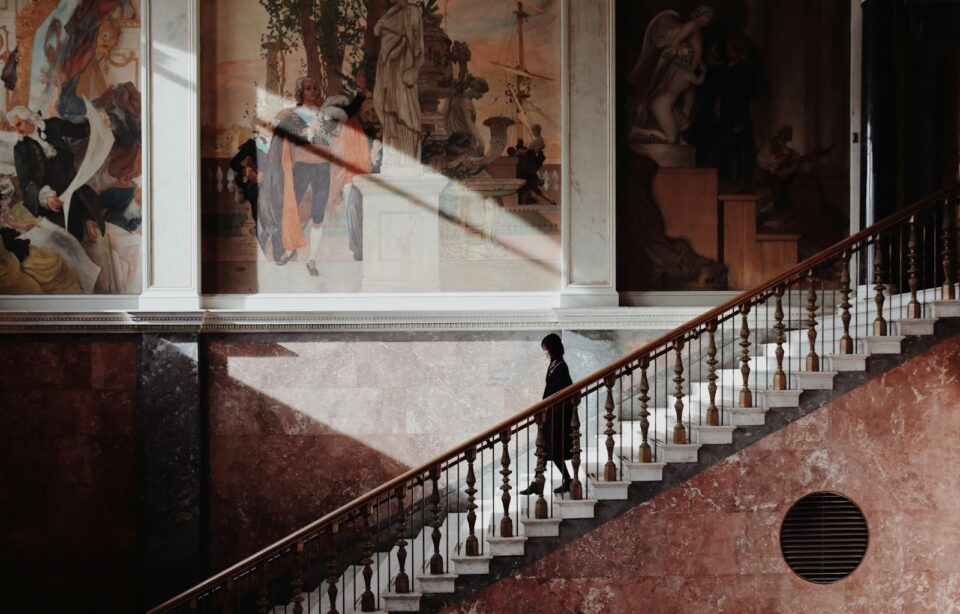
In the North, light isn’t just illumination — it’s emotion.
In summer, it lingers almost endlessly, painting the world in pale golds and silvers. In winter, it arrives gently and disappears early, leaving space for candles, reflection, and rest.
This light shapes everything: the colours of homes, the rhythm of work, the way people gather. It teaches patience.
You don’t chase the day; you wait for it.
And when the sky finally blushes pink at dusk, you understand what the Scandinavians mean when they call it lysro — light peace.
A Shared Philosophy
Copenhagen and Stockholm might speak different languages, but they share one truth: the belief that design, community, and nature must coexist.
In both cities, bicycles outnumber cars. Cafés spill onto pavements, even in winter, when blankets and candles appear as naturally as conversation. Museums stand beside parks. Progress doesn’t erase the past — it dialogues with it.
There’s a sense that everything is connected — people, buildings, seasons, ideas. Nothing feels accidental.
Taste of the North
Food here follows the same principle: clarity, simplicity, and authenticity.
In Copenhagen, the New Nordic movement turned local produce into art. In Stockholm, chefs have refined it into comfort — fresh fish, earthy roots, and bread that still smells of grain.
You taste not indulgence, but intention. Meals aren’t hurried; they’re savoured. Even coffee breaks, fika in Swedish, are treated as small celebrations — moments to pause, reflect, and reconnect.
Perhaps that’s the secret to the Scandinavian lifestyle: they don’t glorify busyness. They honour balance.
Reflections on a Northern Passage
The journey from Copenhagen to Stockholm is more than a route — it’s a narrative. It tells of two cities, two characters in the same story, moving at different tempos but to the same melody.
Copenhagen teaches you to find beauty in simplicity. Stockholm reminds you that stillness is not emptiness. Together, they reveal a version of modern Europe that is elegant, kind, and quietly powerful.
As the train pulls away from the final station, you feel the rare contentment that comes not from seeing something spectacular, but from understanding something subtle: that sophistication isn’t loud. It’s measured, mindful, and often found by the water.
*This is a collaborative post. For further information please refer to my disclosure page.
Related Posts:
What We Learnt From Being First-Timers At Disney World

Disney World is a place that had been on my wishlist since I was about 5 years old. I remember Read more
Planning Your First Trip to the United States: Tips and Suggestions

The United States is a huge and diverse country with so much to see and do. Planning your first ever Read more
Sustainable Travel Choices: How Modern Family Cruises Are Becoming More Eco-Friendly

Travelling as a family is an incredible way to create memories, broaden children’s horizons and reconnect with each other. But Read more
An Honest Review of The Searching For Santa Experience at The Northern Lights Village

We have recently returned from a dream DIY trip to Lapland where we had such a magical time we really Read more