
Crafting for the Home: Tiny Upgrades That Make Rooms Feel Cozy (and Calm Your Parent Brain)
*Collaborative Post
You don’t need a free weekend, a design degree, or a spotless house to make a room feel warm and welcoming. You need small wins quick, low-mess projects that you can finish between bedtime and dish duty. When life is noisy and schedules are full, making something with your hands gives you a sense of control and a moment of quiet focus. Think of these micro-makeovers as creative breathing exercises for your home: simple moves, finished fast, with a calm you can feel.
Below is a practical guide designed for parents who want an approachable creative outlet. Each section begins with a short explanation and then gives you tiny, doable upgrades you can complete in 15–45 minutes. No perfection required—only progress.
Textiles that hug the room
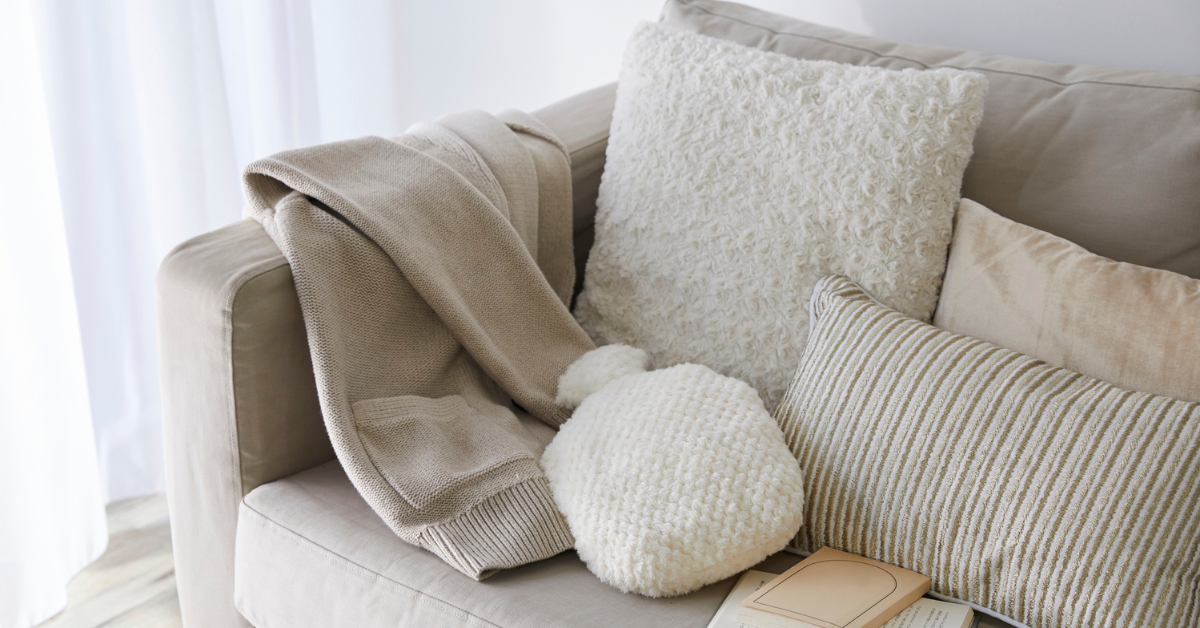
Soft materials are the fastest way to change a room’s mood. They absorb sound, add color, and make hard edges friendlier—without paint cans or power tools. Start with the pieces you touch every day: throws, cushions, rugs, and curtains. Choose washable fabrics and keep to two main colors plus one texture so the space feels intentionally layered, not cluttered.
Throw refresh (10–20 minutes).
Have a plain blanket? Blanket-stitch the edges with chunky yarn or add clip-on pompoms to two corners. It’s meditative, and the tactile border makes the throw feel “finished.”
Envelope cushion cover (25–30 minutes, no zipper).
Cut one rectangle of fabric, fold the back panels to overlap, and hem with iron-on tape if you don’t sew. Slide over your existing pillow insert for an instant color or pattern swap.
Rug layering for warmth (10 minutes).
Place a small patterned rug on top of a larger neutral flatweave to create a defined reading corner. Use rug tape so it doesn’t wander during playtime.
Curtain softening (15 minutes).
Clip-on rings + pre-made panels = floor-skimming drape with zero sewing. Tiebacks braided from leftover yarn or ribbon add a handmade note.
Linen runner from a remnant (20 minutes).
Hem the edges with fusible web and stamp a subtle border using a pencil eraser dipped in fabric paint. Suddenly, the table looks dressed even when the Lego city is still under construction.
Why it helps stress:
extile projects are rhythmic and tangible. The repetitive motion of stitching or cutting paired with a clear, quick finish calms racing thoughts and gives you a visible payoff for your effort.
Warm light, calm nights
Lighting isn’t decoration; it’s mood regulation. Cool, bright overheads are great for cleaning but not for winding down. Cozy rooms use layered, low-glare light with warm tones (look for bulbs labelled 2700–3000K). Aim for three light sources in any space: one task, one ambient, one accent.
Do a five-minute bulb audit.
Walk room to room and swap any harsh, blue-white bulbs for warm-white. If bedtime battles are a thing, lower light levels in the hour before sleep. Your nervous system notices.
Create “mini-lamp moments” (20–30 minutes).
Turn a pretty jar or thrifted vase into a lamp using a conversion kit, or simply add a tiny table lamp to a bookshelf, dresser, or windowsill. Lamps at eye level feel intimate and soothing.
Candle clusters—real or LED (10 minutes).
Group three jars on a tray. For real candles, add a pinch of salt in each jar to catch drips; for kid-friendly setups, use rechargeable LED tealights. Trays make it easy to relocate during cleanup.
Paper lantern glow (15 minutes).
Wrap a plain drum shade with textured parchment or rice paper using double-sided tape. Punch a few tiny holes with a thumbtack for a starry effect. Use only low-heat bulbs.
Set evening scenes with smart plugs (5 minutes).
Put lamps on a schedule: lights fade on for storytime and fade off at bedtime. Fewer decisions = less mental load.
Why does it help stress:
Warm, low light cues the brain to downshift. When your environment signals “safe and soft,” your body follows.
Walls & surfaces with handmade character
Bare walls can make a room feel echoey and impersonal. You don’t need to repaint; add small, meaningful layers. Think frames, shelves, and one statement corner that quietly says, “A family lives here.”
Start a mixed gallery (30–45 minutes).
Lay frames on the floor first. Combine family photos with one hand-painted abstract you or your child makes: load a brush with two close colors, make sweeping shapes, then add a few confident lines in a darker tone. Use painter’s tape to mock the layout on the wall before you commit. Hang with removable strips if you rent.
Frame facelift (20 minutes).
Unify mismatched frames by painting all of them a single color—walnut brown for warmth, matte black for contrast, or soft white for a cottage feel. Cut mats from kraft paper or linen fabric for texture.
Shelf vignette rule of three (15 minutes).
Style small surfaces with a trio: a book stack, something alive (tiny plant, clipped branch), and something handmade (air-dry clay dish, painted pebble). Vary height and texture; leave negative space so the eye can rest.
Statement backing (25–40 minutes).
Line the back of a bookcase with peel-and-stick beadboard or cane-pattern paper. It’s renter-friendly and instantly adds depth to a bland unit.
Terracotta touch (20 minutes).
Paint plant pots with muted stripes, dots, or color-blocked bands. Seal with a clear coat. Group three on a tray, and you’ve created a warm micro-garden.
Switch-plate swap (5 minutes).
Replace a plastic switch plate with wood or brushed metal. Tiny detail, big upgrade—your fingers notice every day.
Kid-ready add-on:
Make a “memory shelf” at child height. Let your kid display a weekly drawing in a clip frame next to a found treasure from a nature walk. Curation becomes a shared ritual.
Why does it help stress:
Small, visible progress builds momentum. Every time you pass a wall you improved, you get a hit of “I did that”—a natural antidote to the endless to-do list.
Paint-by-Numbers for Grown-Ups (Surprisingly Mindful)
When your brain is fried but your hands still want to make something, paint-by-numbers is the perfect low-decision creative break. The numbered zones reduce choice overload, the repetitive brushstrokes slow your breathing, and you still end up with frame-worthy art. Set a 20-minute timer, work one color at a time, and stop before you’re tired—small sessions add up fast. Choose kits with pre-stretched canvas and quick-dry acrylics, keep a cup of water and a lint-free cloth nearby, and seal the finished piece with a matte varnish so it looks polished on your gallery wall. If you want styles that match your decor (botanicals, abstracts, coastal scenes), browse the full collection to find a design that feels like you.
Micro-project planner: how to fit this into real life
Pick one room. Living room, bedroom, or entry. Don’t spread energy across the whole house.
Choose two projects per week. For example: Tuesday—bulb audit (10 minutes). Thursday envelope cushion cover (30 minutes).
Set a visible deadline. Tape a sticky note to the wall: “Cozy Sprint: Done by Sunday 7 p.m.”
Involve the kids, selectively. Let them stamp the table runner border or paint a terracotta pot. Keep fragile tasks (hanging frames) for solo time.
Troubleshooting: common worries, simple fixes
“I’m not artistic.”
Good news—you don’t need to be. Work with simple shapes, repeated patterns, and a limited color palette (two main colors + one accent). Repetition reads as intentional.
“I don’t have space.”
Create a portable craft kit: scissors, hem tape, yarn, fabric glue, painter’s tape, permanent marker, and a small cutting mat. Store it in a shoebox that slides under the couch.
“I’ll never finish.”
Choose projects with clear endings. A stitched border, a swapped plate, a hung frame these are finite. Set a timer for 25 minutes. Done is the goal, not perfect.
“What if I mess up the wall?”
Use removable strips and painter’s tape. Keep touch-up spackle and a tiny paint pot on hand; most mistakes disappear with a dab and a dry cloth.
A quick color guide for cozy harmony
- Warm neutrals: oatmeal, camel, clay. They soften bright toys and electronics.
- Deep accents: forest, midnight, aubergine. Use sparingly on frames, pots, or one cushion to ground a space.
- Gentle contrast: pair a soft pattern (tiny checks or dots) with one textured solid (bouclé, knit, velvet) to look pulled together without visual noise.
Your first evening plan (if you want to start tonight)
- Do the bulb audit and switch two bulbs to warm-white (10 minutes).
- Blanket-stitch the edge of a throw while listening to your playlist (15–20 minutes).
- Clear a shelf and style a three-item vignette (10 minutes).
- Make tea and sit in your ritual corner for five quiet minutes (5 minutes).
That’s less than an hour, and your room—and your mood—will already feel different.
Wrap-up
Cozy isn’t about buying more things or finding a perfect style. It’s about layering small, human touches that say, “We live here, and this is a soft place to land.” Textiles add warmth, lighting sets the tone, walls and surfaces tell your story, and sensory rituals steady your days. As a parent, your time and energy are precious; let these tiny upgrades be your creative outlet and your daily decompression. Pick one room, choose two micro-projects this week, and enjoy that quiet rush of satisfaction when you see (and feel) what you made.
*This is a collaborative post. For further information please refer to my disclosure page.
Related Posts:
4 Reasons Why Saving Just Isn’t Enough For Most Families

*Collaborative Post Let me dispel a misconception that may be causing you to lose sleep some nights… You are not Read more
5 Ways To Encourage Better Health Habits For You And Your Partner

*Collaborative Post One of the great things about being in a relationship, especially if you both lack the enthusiasm to Read more
Top Carpet Cleaning Services in London: A Comprehensive Guide
Carpet cleaning is crucial for preserving the aesthetic appeal, cleanliness, and durability of your carpets. In London, a vibrant city Read more
Understanding the Value of Wholesale Tiles for Your Projects

What Are Wholesale Tiles? Wholesale tiles are bulk-purchased ceramic, porcelain, stone, or glass tiles sold at discounted prices, typically through Read more