
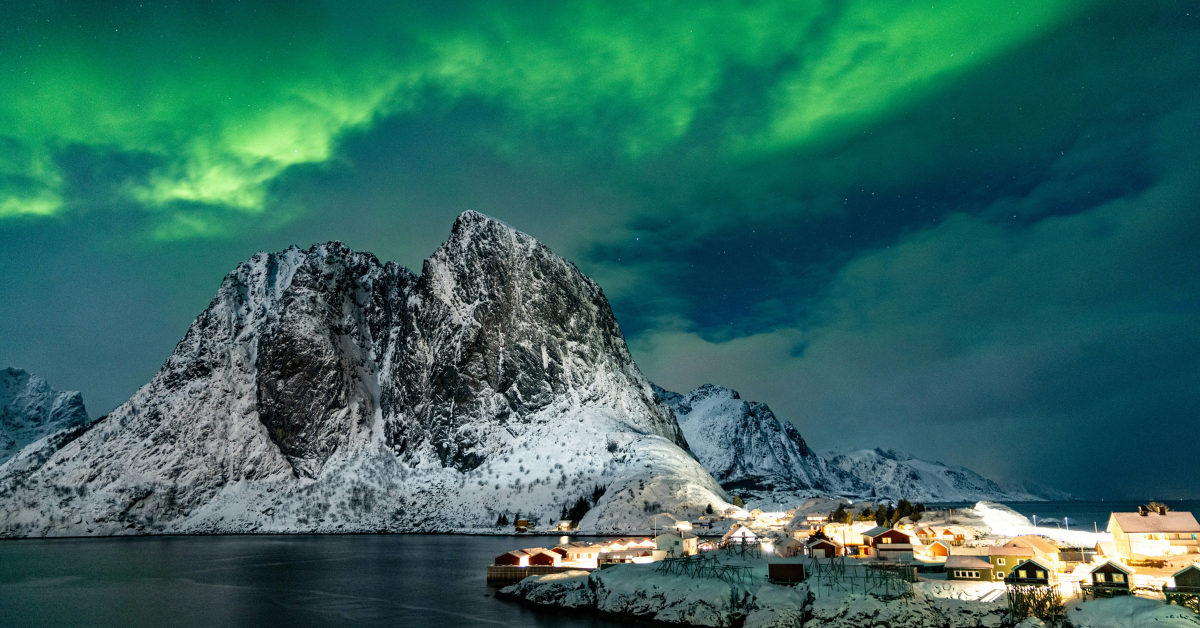
Green Lights Over Deep Fjords: Norway’s Most Striking Natural Scenes
*Collaborative Post
Norway doesn’t separate its landscapes into neat categories. Light, water, and rock overlap in ways that feel deliberate, even when they’re anything but. Fjords carve inland with quiet authority. Mountains interrupt weather. Darkness lingers long enough for the sky to become part of the terrain.
To move through Norway is to accept that nature here isn’t a backdrop. It leads. Scenes unfold slowly, sometimes without warning, and often without spectacle. The country’s most striking moments are rarely announced — they emerge when attention outlasts expectation.
When the Sky Becomes Terrain
In the far north, the sky stops behaving like distance. It presses closer, changes quickly, and occasionally responds. The Norway Northern Lights are often spoken about as an event, but they behave more like weather — conditional, unpredictable, and brief.
Green arcs form without ceremony. They drift, thin out, return faintly, then vanish. What stays with most travellers isn’t the intensity, but the uncertainty. Waiting becomes part of the experience, and the landscape teaches patience by example.
The fjords below remain still, reflecting only fragments of what passes overhead.
Quiet Magnitude in Tromsø
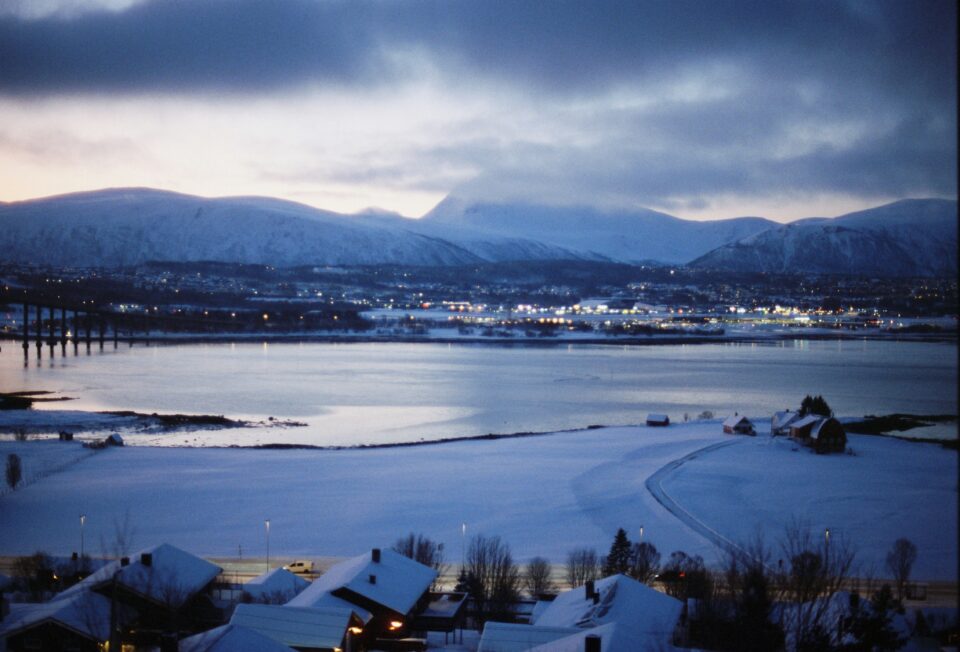
Tromsø sits at the edge of extremes without dramatizing them. The city functions normally beneath long nights and short days, adjusting rather than resisting. Snow softens sound. Light behaves differently, arriving sideways, lingering briefly.
From here, journeys outward feel intentional. Roads narrow. Darkness thickens. The environment stops offering reassurance and begins offering clarity instead. You notice what matters because there’s less competing for attention.
Nature around Tromsø doesn’t impress through scale alone. It works through proximity.
Moving Into the Fjord Logic
Norway’s fjords are not destinations in the conventional sense. They are systems — of water, rock, and time — that require adjustment rather than arrival. Movement here slows by necessity.
Those following the best Norway Fjord tours often discover that the most powerful moments happen between viewpoints. A stretch of water narrowing unexpectedly. A cliff face revealing texture only when clouds lift. A village appearing briefly, then retreating again.
The fjords don’t reward rushing. They reveal themselves to those willing to drift.
Where Water Holds Memory: Geirangerfjord
Geirangerfjord carries a sense of compression. Steep walls lean inward. Water feels contained, guided, deliberate. Even sound behaves differently here, echoing briefly before settling.
What’s striking isn’t just the vertical scale, but the way the fjord seems to collect weather. Mist gathers, lifts, returns. Light breaks through in narrow bands, shifting colour without warning.
Standing here, it’s clear that the fjord isn’t static. It’s active, even when it appears still.
Villages That Don’t Interrupt the View
Human presence along Norway’s fjords feels tentative by design. Settlements remain small, practical, and quietly integrated. Houses face water not for aesthetics, but for orientation. Boats replace roads. Movement follows contours rather than straight lines.
In places like Flåm, the scale of nature remains dominant without feeling oppressive. Life adapts instead of imposing itself. The result is balance rather than contrast.
These villages don’t frame the landscape. They participate in it.
Light That Changes the Rules
Norway’s light behaves independently. In summer, it stretches time until evenings blur into mornings. In winter, it condenses, arriving briefly and leaving slowly.
This variability alters perception. Colours deepen. Shadows lengthen. The same place feels different within hours, not seasons. Fjords appear softer, then sharper, then almost abstract depending on angle and weather.
Photographs rarely capture this instability. The experience resists fixing.
Water as a Path, Not a Boundary
In many parts of Norway, water connects more than it divides. Fjords function as corridors, guiding movement inland rather than blocking it. Boats feel less like transport and more like continuation.
This relationship changes how distance is understood. Places that appear close on a map may take hours to reach, not because of inefficiency, but because the landscape dictates pace.
Travel here teaches recalibration — of time, of scale, of expectation.
High Ground and Open Exposure
Climbing above the fjords introduces a different kind of intensity. Plateaus open suddenly. Wind replaces enclosure. The sense of shelter disappears.
From high ground, the logic of the land becomes visible. Water cuts deep. Mountains interrupt flow. Routes feel earned rather than designed. The exposure sharpens awareness, making even small movements feel intentional.
Norway’s power lies as much in what it removes as in what it presents.
Nature Without Performance
What distinguishes Norway’s most striking scenes is their refusal to perform. There are no crescendos, no guarantees. The environment offers presence, not payoff.
Green light may appear. It may not. Water may mirror the sky, or remain opaque. Mountains may reveal themselves, or stay hidden behind cloud.
This uncertainty isn’t a flaw. It’s the condition that gives the landscape weight.
Why These Scenes Linger
Norway’s fjords and northern skies stay with people not because they were dramatic, but because they demanded attention without rewarding haste. They shift slowly, ask for patience, and resist being reduced to moments.
Green lights over deep fjords don’t define Norway on their own. Together, they suggest a country where nature sets the terms and meaning forms gradually.
To experience Norway fully is not to collect scenes, but to remain present long enough for the land and sky to decide what they’re willing to show.
*This is a collaborative post. For further information please refer to my disclosure page.
Related Posts:
8 Kid-Friendly Things To Do In Tampa

If you're looking for family-friendly things to do in Tampa, look no further! This vibrant city is home to a Read more
Our Weekend In Southsea

*Ad- Gifted Stay Southsea is one of our favourite places to visit. We are so lucky to be just an Read more
What We Plan To Do on Our Return Trip to Tromsø
*Affiliate Links Tromsø stole our hearts during our first visit. We watched the Northern Lights (twice!), saw whales and the Read more
Disney Parks Tips and Tricks

As I am off on my holiday to Florida, I wanted to be able to provide relevant content for you as Read more