
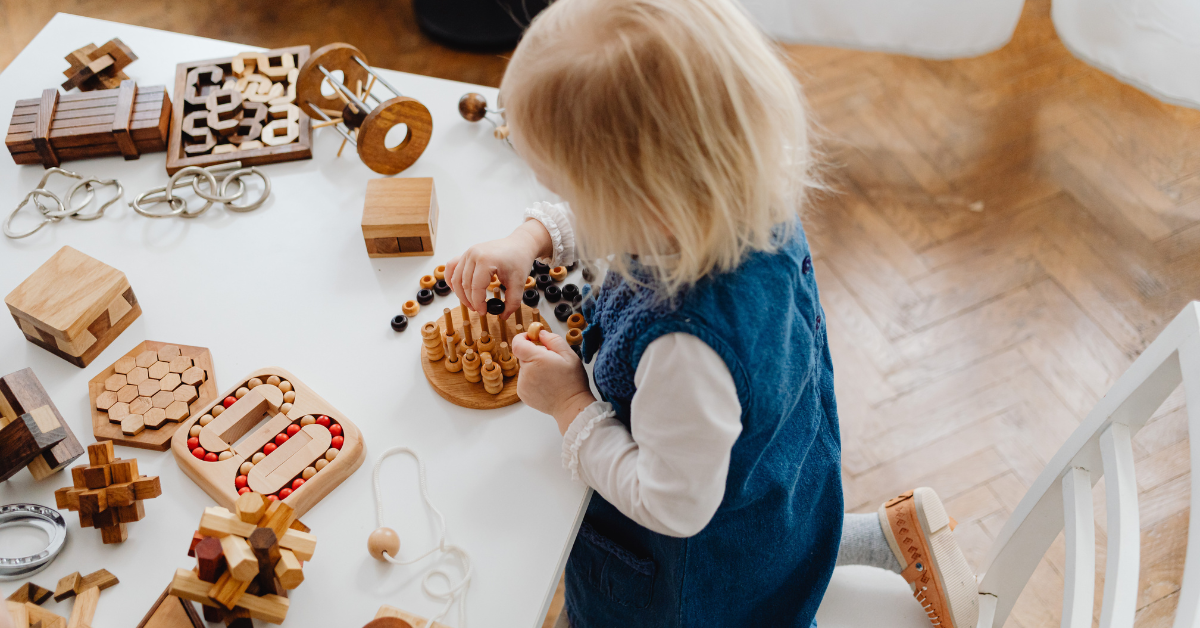
How to Support a Hyposensitive Child at Home
*Collaborative Post
When a child seeks extra movement, deep pressure, or loud sounds, it may mean their sensory system is under-responding. This hyposensitivity often appears as constant motion, rough play, or unusual tolerance to intense sensations. These behaviors signal a need for stronger input.
Many children crash, hang upside down, or chew for feedback. These actions create missing sensory signals, and simple daily activities can offer that input safely and predictably throughout the daily routine.
What Hyposensitivity Looks Like in Real Life
A hyposensitive child may seem fearless or constantly energetic, but the underlying driver is often sensory need. They might touch everything, push harder during play, or seem unaware of noise levels because their system wants more input to feel balanced.
Unlike hypersensitivity, which leads children to avoid sensations, hyposensitivity seeks them. Everyday play often meets these needs. For example, FunFox Program highlights tactile movement activities, and Strides ABA notes that heavy work or water play can help children regulate.
Creating a Sensory Friendly Home Rhythm
You do not need a complex plan. A simple routine that layers sensory input into moments that already exist in your day can make a big difference. Morning movement can prepare a child for school. Afternoon heavy work can smooth the transition into homework or quiet time. Evening deep pressure input can help with calming down before bed.
It is natural for parents to look for hyposensitivity support strategies as they shape a routine, and resources that clearly explain what hyposensitivity looks like in everyday life can make it easier to choose activities that truly fit their child’s needs.
Proprioceptive Input
Proprioceptive input involves pushing, pulling, lifting, and deep pressure. These activities help the body understand where it is in space, which can feel grounding and organized for a child who is under-responsive.
You can try:
- Animal walks like bear, crab, or frog
- Pushing a laundry basket filled with towels across the room
- Carrying books, groceries, or small weighted objects
Proprioceptive tasks often tend to have a calming effect, so they work really well before school, after busy outings, or during evening wind down time.
Vestibular Input
Vestibular input comes from movement, and hyposensitive children often crave spinning, swinging, or rolling. These activities can energize or regulate depending on the intensity.
Simple ideas include swinging indoors or outside, rolling over a yoga ball, or sliding at a playground. Many families pair big movement with slower activities for easier transitions.
MoveAbout Therapy Services notes that ball kicking, tug of war, and playdough work offer kid friendly input without turning the day into structured therapy.
Tracking What Helps Your Child
A child’s sensory needs can shift from day to day. Keeping brief notes helps you see what patterns work best.
Track the activity, the length of time, and the behavior that followed. Over a week or two, you may notice that your child focuses better after heavy work or stays calmer after morning movement. These patterns help you adjust your routine with confidence.
A small notebook or phone app works. The goal is not precision. It is noticing what helps your child feel comfortable, alert, and ready for everyday tasks.
When It Might Be Time to Consult an Occupational Therapist
Sensory seeking is common, but if your child needs constant intense input to function or if sensory needs begin to interfere with daily routines, a pediatric occupational therapist can offer guidance. They can help distinguish between sensory hyposensitivity, motor planning differences, and attention needs. They can also recommend ways to structure your day so your child gets the input they need without becoming overwhelmed or overstimulated.
Keeping the Process Playful
The best sensory activities are playful, flexible, and enjoyable. If your child resists something, switch to another option. Let them help choose. Your routine should feel like a natural extension of their day.
Over time, many children learn to recognize what their bodies need and ask for it in healthy ways.
Supporting a hyposensitive child at home is about observation, small adjustments, and simple moments of connection. With a little structure and a focus on movement and deep pressure, you can create an environment where your child feels grounded, understood, and ready for whatever the day brings.
*This is a collaborative post. For further information please refer to my disclosure page.
Related Posts:
How To Help Your Child Understand A Relative’s Passing

*Collaborative Post Parenting can be a hard task. Not only do you have to provide the basics shelter, food and Read more
Popper or Velcro Cloth Nappies?

The popularity of cloth nappies is clearly growing and for me, this is a great sign! I love seeing more Read more
The Significance of Waterproof Name Labels

As parents, we all know the joy and excitement our kids experience while exploring the great outdoors. Whether it's camping, Read more
The Ultimate Guide to Choosing Sunscreen for Kids: A Parent’s Handbook

As a parent, your top priority is often seeking ways to protect your children from harm. One crucial aspect of Read more