
Medieval Lanes and Georgian Streets: Heritage of the British and Irish Isles
*Collaborative Post
Heritage across the British and Irish Isles doesn’t sit neatly behind ropes or plaques. It lives in street patterns that resist straight lines, in buildings repurposed more than preserved, and in cities where the past remains part of daily movement rather than a separate layer to be visited. Medieval lanes and Georgian streets coexist not as contrasts, but as continuations — different answers to the same need to organise life in changing times.
Moving through these places reveals a shared instinct: to adapt without erasing. History here isn’t staged. It’s walked, crossed, lived with — often without comment.
Stone, Shadow, and Vertical Time in Edinburgh
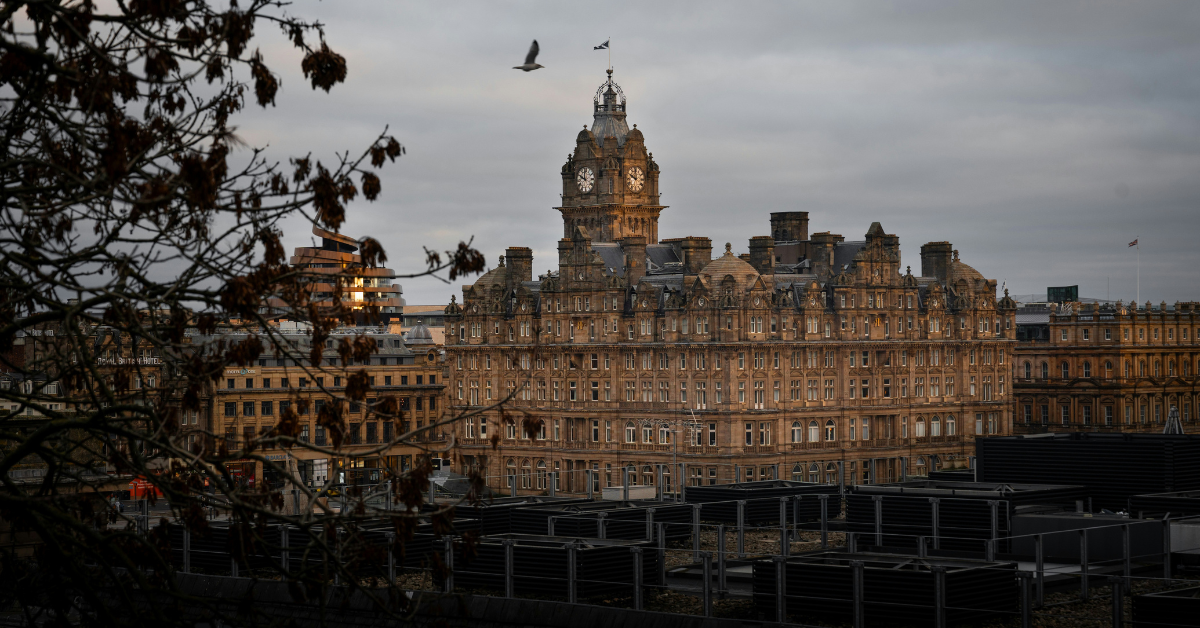
Edinburgh carries its history upward rather than outward. The city rises in layers, its medieval core compressed between rock and sky. Lanes narrow unexpectedly. Stairs replace streets. Movement feels deliberate, shaped by terrain as much as by design.
What makes the Old Town compelling isn’t scale, but density. Centuries sit close together. Daily routines unfold beside stone that has outlasted several versions of the city itself. The atmosphere feels concentrated rather than curated.
For travellers drawn to Edinburgh tours, the appeal often lies in this immediacy — the sense that history isn’t being introduced, but encountered without preparation.
Order, Proportion, and a Shift in Tone
Step beyond the medieval core and Edinburgh changes character without losing continuity. The Georgian New Town opens space, straightens lines, and introduces symmetry. Streets widen. Buildings align. Light behaves differently.
This shift doesn’t erase what came before. It reframes it. The city’s evolution becomes visible through contrast, not replacement. Medieval and Georgian sit side by side, each clarifying the other.
Walking between them feels like moving through chapters written with different intentions, but bound to the same place.
Crossing the Water, Carrying the Thread
Travel between Britain and Ireland often feels like a continuation rather than a departure. The rhythm established in one place carries across the water with subtle adjustments.
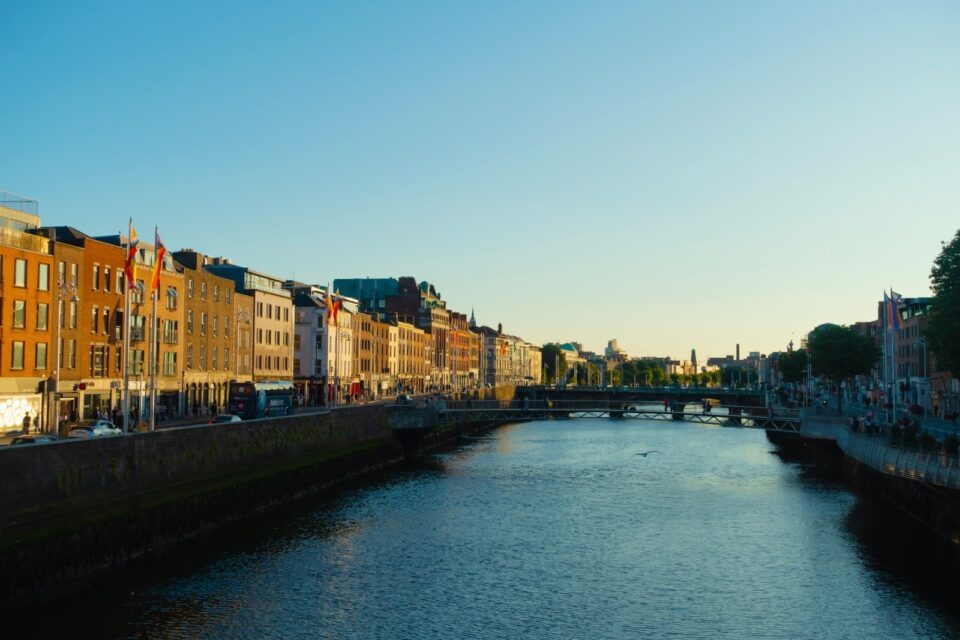
Arriving in Dublin, the tone softens. The city feels less vertical, more conversational. Streets invite lingering. Public spaces encourage overlap rather than direction.
Dublin’s heritage isn’t compressed into a single centre. It’s distributed — in doorways, squares, and streets that remain social by design.
Georgian Elegance with a Social Core
Dublin’s Georgian streets introduce order without rigidity. Proportion matters, but warmth persists. Buildings repeat patterns, yet variation appears in colour, detail, and use.
These streets were built with intention, but they’ve aged flexibly. Homes become offices. Institutions open outward. Heritage here feels adaptable rather than fixed.
What stands out is how easily daily life inhabits these spaces. The past doesn’t dominate. It accommodates.
Southward, Without Breaking Continuity
Leaving the capital doesn’t disrupt the narrative. It stretches it. Taking the Dublin to Cork train allows change to arrive gradually, not abruptly.
The landscape opens. Urban density thins. Towns appear and recede without drama. The rhythm of movement mirrors the rhythm of settlement — incremental, unforced.
By the time Cork comes into view, the shift feels earned rather than announced.
Mercantile Roots and Layered Streets in Cork
Cork’s heritage feels shaped by trade rather than authority. Streets curve around waterways. Buildings respond to function before form. The city’s layout reflects adaptation more than planning.
Here, history is pragmatic. Structures persist because they remain useful. Markets continue because they work. Public spaces retain purpose rather than symbolism.
Cork illustrates a quieter version of continuity — one grounded in everyday use rather than architectural statement.
Medieval Traces Without Preservation Anxiety
Across both islands, medieval elements survive without being isolated. Narrow lanes still carry foot traffic. Old walls frame modern movement. The past remains visible because it was never removed from use.
This approach prevents heritage from becoming fragile. When history is part of routine, it doesn’t require protection through distance. It remains resilient.
Visitors often sense this instinctively, even if they can’t name it.
Cities That Evolved by Addition, Not Replacement
What links Edinburgh, Dublin, and Cork is an evolutionary pattern. New ideas were added alongside old ones. Streets expanded. Districts shifted. Nothing demanded erasure for progress to occur.
This additive growth explains why these cities feel layered rather than divided. Each era left marks without insisting on dominance.
The result is complexity without confusion.
Walking as Interpretation
The best way to understand heritage in the British and Irish Isles is on foot. Walking reveals scale, transition, and texture in ways no overview can.
Routes repeat. Shortcuts emerge. Familiar streets change character depending on time, weather, and use. Meaning accumulates through repetition rather than explanation.
Heritage here isn’t something you learn. It’s something you navigate.
Why These Streets Still Matter
Medieval lanes and Georgian streets endure because they continue to support life. They haven’t been frozen or elevated beyond reach. They adapt, absorb, and carry on.
Across the British and Irish Isles, heritage survives not as spectacle, but as structure — shaping how people move, meet, and inhabit space.
And that quiet persistence is what gives these cities their depth: history that doesn’t ask for attention, but rewards it when you slow down enough to notice.
*This is a collaborative post. For further information please refer to my disclosure page.
Related Posts:
What to Do in the Airport When Your Flight Gets Delayed or Canceled While Traveling With Kids

Traveling with kids can be an exciting yet challenging experience, and flight delays or cancellations can turn an anticipated journey Read more
Top 4 Things to do in London with Younger Children

As England’s capital city, it is unsurprising that London is one of the most popular holiday destinations for families visiting Read more
Uncover the Breathtaking Landscapes of Seven Enchanting States in India

Embark on a visual journey through the diverse and captivating landscapes of seven enchanting states in India. From the snow-clad Read more
5 Top Tips to Prepare for Your Summer Holiday Abroad

*Collaborative Post As you know, we have recently come back from our family holiday in Crete. It was only the Read more