
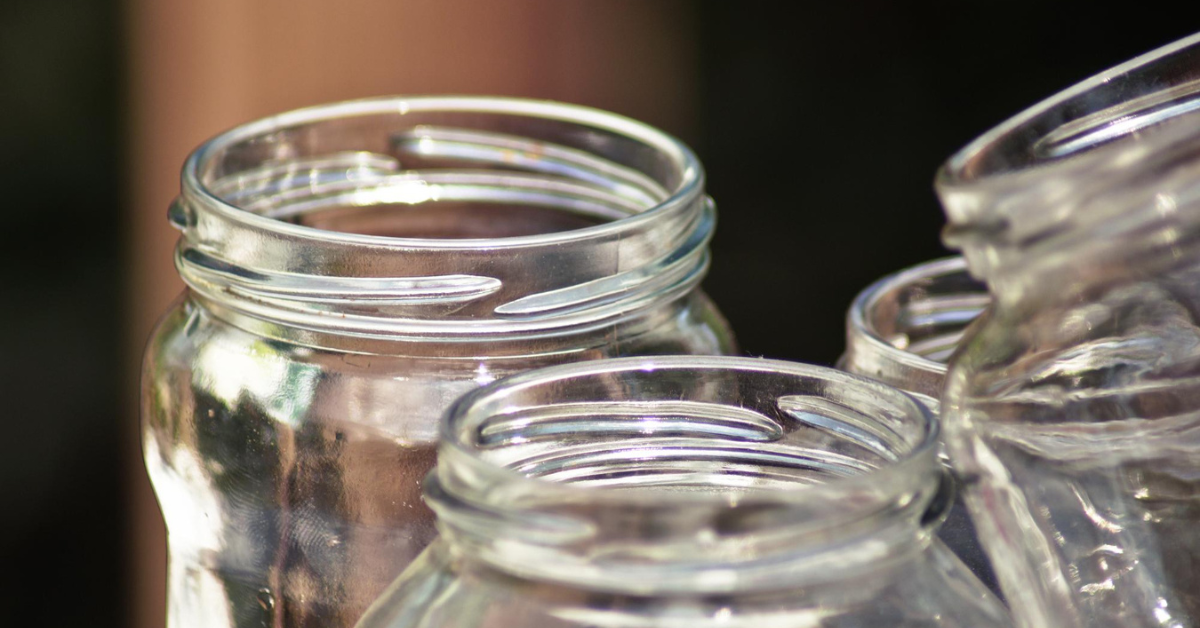
The Ultimate Guide to Plastic-Free Food Storage: Why Glass is Best for Your Kitchen
*Collaborative Post
Plastic has quietly taken over most kitchens. It creeps into drawers, cupboards and fridges in the form of cracked boxes, cloudy tubs and warped lids. Yet more and more home cooks, fermenters and homemade alcohol enthusiasts are turning their backs on plastic and building a kitchen based on glass jars and bottles instead.
It is about flavour, safety, sustainability and pure cooking pleasure. If you care about what you eat and drink, the way you store it matters just as much as the recipe itself.
Why glass beats plastic in a modern kitchen
Glass jars and glass bottles change the way you cook and store food. They are not just prettier versions of plastic containers; they behave differently, they age differently and they treat your food differently.
Health and flavour: what plastic does to your food
Most plastic containers slowly degrade. Tiny scratches appear, the surface becomes cloudy, and with every wash in hot water or dishwasher cycles, the material weakens. This can lead to: migration of substances, retention of odours, uncertain long-term safety.
If you make homemade alcohol, ferments or long-matured preserves, the contact time is long – and so is your exposure.
Glass, by contrast, is non-porous and inert. It does not react with acids, alcohol, sugar or salt. Food and drinks stored in glass keep their original taste and aroma, and you can safely pour in hot jam, strong liqueur or sharp vinegar without worrying about chemical cocktails in your meal or drink.
Choosing the right glass jars and bottles for your needs
Not every jar or bottle is the same. The right choice makes your pantry more practical, safer and more beautiful. Think about what you actually cook and store: do you mainly prepare homemade alcohol, ferments, jams, dry goods or ready meals?
How to choose jars for food storage and preserving
Start with the basics. You will want a mix of sizes and closures to cover everyday cooking, long-term storage and preserving.
Useful types of jars include:
- Clip-top jars with rubber seals: ideal for dry goods like flour, rice, pulses, nuts and seeds. The airtight closure keeps out moisture and pantry moths.
- Twist-off jars: perfect for jams, chutneys, sauces and spreads. They stack well and are easy to label.
- Wide-mouth jars: essential for ferments (kimchi, sauerkraut), sourdough starters and layered salads. The wide opening allows for easy packing and cleaning.
- Small portion jars: helpful for spice blends, homemade bouillon paste, baby food portions or single servings of dessert.
Here: https://doitathome.co.uk/en/42-jars you can find everything you need.
Selecting bottles for homemade alcohol and drinks
If you make your own liqueurs, wines, kombucha or flavoured oils, the choice of bottles influences both safety and taste.
Look for:
- Dark glass bottles: essential for light-sensitive drinks such as wine, beer, kombucha or herbal tinctures. They protect aromas and slow down oxidation.
- Strong, pressure-resistant bottles: for carbonated drinks like sparkling cider, ginger beer or second-fermented kombucha, use bottles designed to withstand pressure, with secure swing tops.
- Narrow-neck bottles: ideal for syrups, infused vodkas, liqueurs, as they reduce contact with air and help preserve aroma.
- Wide-neck bottles: useful for oils with larger infusion ingredients (chilli, garlic, herbs) that you may want to remove later.
To build a small but versatile collection, consider a curated range such as this category: https://doitathome.co.uk/en/33-bottles, which offers different capacities and closures suitable for both everyday use and special batches of homemade alcohol.
Glass as a tool for developing your culinary passions
Once you replace plastic with glass, you unlock a whole new world of culinary experiments. Jars and bottles stop being just containers and become instruments: for fermenting, infusing, maturing and presenting.
Everyday convenience and style
There is also a more down-to-earth side. Glass jars and bottles make daily cooking easier and more enjoyable.
You can:
- portion soups, sauces and ready meals for the week
- pack lunches in sturdy containers that do not leak or smell
- serve homemade cordials or kombucha in elegant bottles on the table
- use small jars as ramekins for baked puddings or mini cheesecakes
Your kitchen starts to look coherent, intentional and calm. Instead of a drawer full of mismatched plastic boxes, you have a small “library” of transparent, reusable containers that work together.
An eco-conscious kitchen
Switching from plastic to glass is not an overnight revolution. It is a series of small, conscious decisions: choosing a jar instead of a bag, bottling your own cordial instead of buying another plastic bottle, investing in a solid set of containers instead of cheap throwaways.
Start with what you use most. Replace the worn plastic box that holds your flour. Pour your favourite homemade alcohol into a proper bottle. Transfer pasta, rice and pulses into clear jars. With every step you will see – and taste – the difference.
Over time, your kitchen becomes safer, more sustainable and more beautiful. Glass jars and bottles stop being just storage; they become the quiet backbone of your culinary creativity, supporting everything from a simple weekday soup to a carefully matured liqueur shared with friends.
*This is a collaborative post. For further information please refer to my disclosure page.
Related Posts:
An Honest Review of Fussy Deodorant

We all want to use products that are safe for us and the planet and an eco deodorant is one Read more
The Easiest Way To Clean a Microwave
Cleaning your home or appliances shouldn't ever be tough work or involve lots of harmful chemicals. Having swapped to all Read more
Why I Haven’t Missed Shopping During Lockdown

Just before lockdown hit the shops were inundated with people panic buying food and toilet rolls (nope we still don't Read more
4 Home Renovations That Boost Energy Efficiency and Sustainability

Climate change devastates the world, and energy efficiency and sustainability are vital tools for preventing and reversing it. Millions of Read more