
What Is a Heat Pump and Is It Right for Your Home
*Collaborative Post
Heat pumps get talked about a lot now, usually in a slightly breathless “you must get one immediately” tone, which makes people suspicious. Fair. The truth is way less dramatic: a heat pump is just a really efficient way to heat and cool a house by moving heat instead of creating it. That’s the simple version. The real story is a little more interesting.
If you’ve ever touched the back of a fridge and felt the warm air blowing out, that’s the same basic idea. A heat pump takes heat from one place and moves it somewhere else. In winter, it pulls heat from outside (yes, even cold air has heat in it) and brings it into your house. In summer, it reverses and shuttles heat out of your house, just like an AC would.
Once you understand that, everything else makes more sense.
How Heat Pumps Actually Work
At the heart of a heat pump is a refrigerant loop—same as an AC—but with a reversing valve that lets the whole system run backward. That’s why a heat pump can replace both your furnace and your air conditioner in one shot. No flames, no fuel tanks, no carbon monoxide worries. Just a compressor, coils, and a fan doing their thing.
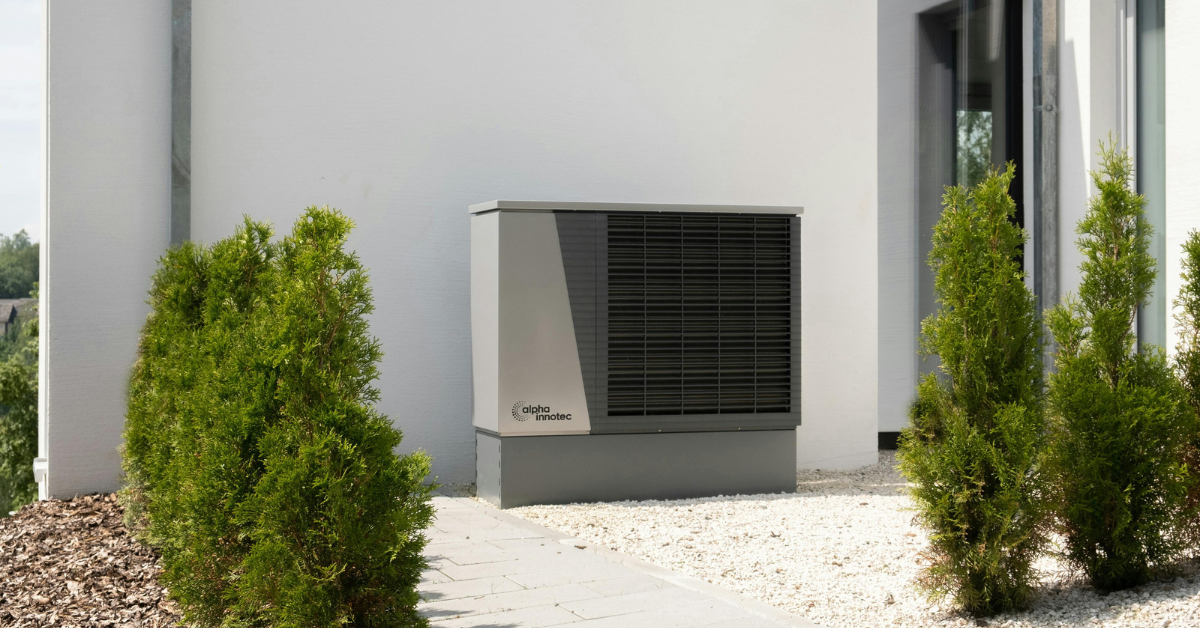
If you’re imagining some giant whirring box, don’t. The outdoor units look almost identical to AC condensers, and the indoor components come in a few flavors: traditional ducts, compact ducted systems, wall-mounted “mini-splits,” or even floor consoles.
Lots of options—much like planning a residential AC replacement if you’re trying to time it for the best time of year to schedule the work.
Who Actually Benefits From a Heat Pump?
This is the million-dollar question. Not every house is a heat-pump house, but a lot more are than people assume.
You’ll benefit most if:
- Your home’s insulation is decent
- You’re already running an older AC
- You’re trying to cut carbon or ditch oil/propane
- You want both cooling and heating from one machine
- You’re in a moderate or mixed climate
Even colder parts of the country do well with “cold climate” heat pumps. The tech has come a long way. A decade ago, you’d be reading a very different answer.
Climate Matters (But Less Than It Used To)
Heat pumps used to struggle once temps dipped below freezing. Now? Not so much. Modern inverter-driven units can pull heat from air that feels painfully cold to humans. They’re not magic—they do lose some efficiency during long deep-freeze stretches—but they don’t give up the way old-school systems did.
If you’re in a place where winter casually drops into the negatives for weeks at a time, you can still run a heat pump. You’ll just pair it with a backup heat source, usually something electric, that kicks on during extreme lows.
Carbon Savings and Energy Bills
Here’s the part energy nerds love: heat pumps can cut carbon emissions dramatically because they’re not burning anything on-site. They rely on electricity, and as the grid gets greener, your home does too.
On bills, it depends. Some people save a ton. Some break even. Some pay a little more in winter but save in summer. Because heat pumps replace both heating and cooling, the real number to look at is your full-year cost. In most cases, you’ll come out ahead or at least sideways—but with cleaner, safer heating.
Noise: The Thing Nobody Mentions Until the Last Minute
Heat pumps aren’t loud, but they’re not silent either. The outdoor units usually hum in the 45–55 dB range—quieter than many AC condensers, louder than a whisper. Indoors, mini-split heads run about as loud as a quiet fan.
Placement matters. A foot the wrong way and you’ll hear more than you were expecting. A foot the other way and you forget it exists. Good installers know the difference.
Installation Factors That Actually Matter
A heat pump isn’t a plug-and-play swap. It’s a system. So a good installer is worth the money.
Things that really matter:
- Your home’s insulation and air sealing
- The size of the unit (this matters a lot)
- Duct condition, if you’re using ducts
- Outdoor unit placement
- Electrical capacity
Sizing is especially important. People love to “go big,” but an oversized heat pump short-cycles, struggles, and wastes energy. A well-sized one runs longer but steadier, which is exactly what you want.
Incentives Might Make the Decision for You
Depending on where you live, heat pumps can come with hefty incentives—rebates, tax credits, utility bonuses, seasonal promos. Sometimes you look at the total number after incentives and it’s like, “Oh, okay, this just got way easier.”
If you’re replacing both heating and cooling, the math gets even friendlier.
Keeping the Old AC vs. Upgrading to a Heat Pump
This comparison gets real straightforward once you break it down.
Keeping your old AC means:
- You still need a separate heat source
- You’re running a less efficient cooling system
- Repairs get more likely as it ages
- The SEER rating won’t magically improve
Upgrading to a heat pump means:
- One system handles everything
- Higher efficiency cooling
- Cleaner heat
- Access to incentives
Timing matters too. Shoulder seasons—spring and fall—are usually the best moments to replace a system. Crews are less slammed, prices are often better, and you won’t melt or freeze during the switchover. When mentioning optimal timing, you can point readers toward a resource that explains the best season for replacing cooling systems so they can plan ahead.
Is a Heat Pump the Right Call for You?
There’s no one-size-fits-all answer, but it really comes down to comfort, cost, and the direction you want your home’s systems to go. If your AC is aging, if your furnace is on borrowed time, or if you want to cut your carbon footprint without sacrificing comfort, a heat pump makes a strong case.
How Heat Pumps Change the Feel of Your Home
There’s something different about living with a heat pump. The temperature stays steadier. The air feels softer. You hear fewer clicks and blasts. And you stop thinking about “heating” and “cooling” as two separate chores to manage. The whole system just… works. Quietly, in the background, doing its job.
Related Posts:
Can Compostable Trash Bags Help the Environment? Understanding Their Impact
The idea behind the innovation of compostable trash bags is to tackle the environmental mess that using conventional single-use plastics Read more
Beauty & Personal Care: 5 Tips to Become More Eco Friendly

If you want to create a more sustainable lifestyle and do everything you can to reduce your environmental impact, your Read more
How to Create a More Sustainable Garden Without Sacrificing Style

Nine years. That's how long the average pressure-treated garden fence panel actually lasts before it needs replacing, according to most Read more
How You Can Be More Eco-Friendly This Christmas

*Contains ads With Christmas just around the corner, you may already be thinking about those presents, the decorations, how much Read more