
Why Mountain Bikes Still Matter in a World Dominated by UTVs
*Collaborative Post
The rise of UTVs has undeniably changed the off-road landscape. Wider access to remote terrain, longer range exploration, and the ability to carry gear, passengers, and supplies have made side-by-sides the dominant force in modern off-road culture. For many riders, UTVs are now the default machine for backcountry travel.
And yet, mountain bikes haven’t disappeared.
In fact, in a world increasingly dominated by UTVs, mountain bikes have become more relevant — not less. They serve a different purpose, unlock different terrain, and offer a type of access and experience that motorised vehicles simply can’t replicate. For riders who truly care about terrain, trail systems, and exploration, mountain bikes still play a critical role.
Access Where Motors Can’t Go
One of the most obvious reasons mountain bikes still matter is access. As trail systems become more regulated, width restrictions and environmental protections increasingly limit where UTVs can travel. Many singletrack trails, forest paths, and protected zones are permanently closed to motorised vehicles.
Mountain bikes fit into these spaces naturally.
Narrow trails, steep switchbacks, technical climbs, and sensitive terrain remain accessible to pedal-powered riders. In many regions, mountain bikes are the only legal way to explore vast sections of trail networks that UTVs can only reach from a distance. For riders who want full access to the land rather than just the roads through it, bikes are still essential.
Terrain Awareness at Human Speed
UTVs allow riders to cover ground quickly, but speed comes at a cost. Terrain details blur. Subtle changes in trail surface, slope, and line choice become less noticeable when momentum does the work.
Mountain biking operates at a human-scaled pace.
Riders read terrain inch by inch. Roots, rocks, erosion lines, and trail features become part of decision-making rather than obstacles absorbed by suspension. This slower, more deliberate interaction builds a deeper understanding of the landscape.
For many UTV riders, mountain biking becomes a way to reconnect with terrain awareness that can be lost when riding exclusively with horsepower.
Scouting and Reconnaissance Value
Experienced off-road riders increasingly use mountain bikes as scouting tools. Before committing a UTV to unfamiliar terrain, riders explore routes on bikes to assess trail conditions, obstacles, gradients, and access points.
This approach reduces risk and improves planning. Tight corners, washed-out sections, fallen trees, or unstable ground are easier to evaluate on a bike than from inside a side-by-side. Mountain bikes provide information without consequence.
In this way, bikes don’t compete with UTVs — they complement them.
Environmental Impact and Trail Longevity
Trail systems survive based on how they’re used. Motorised vehicles, even when responsibly ridden, exert significantly more pressure on soil, vegetation, and trail structure than pedal-powered bikes.
Mountain bikes create minimal impact by comparison. They allow exploration without accelerating erosion or widening trails. In areas where land managers are balancing recreation with conservation, bikes often represent a compromise that keeps trails open rather than closed entirely.
For riders who care about long-term access, mountain biking supports sustainability in a way motorised travel alone cannot.
Skill Development That Transfers Across Machines
Mountain biking demands balance, line choice, body positioning, and terrain reading. These skills don’t disappear when riders step into a UTV — they transfer.
Riders with strong mountain biking backgrounds often display better judgment on technical UTV trails. They anticipate terrain changes, choose smoother lines, and manage momentum more effectively. The instincts developed on two wheels sharpen off-road awareness on four.
In this sense, mountain bikes remain a training ground for better motorised riding.
Physical Engagement Still Has Value
UTVs excel at reducing fatigue over long distances, but physical engagement still matters — especially for riders who spend significant time off-road.
Mountain biking maintains strength, coordination, and endurance in ways that passive riding cannot. This isn’t about fitness culture or gym replacement; it’s about staying capable in unpredictable environments. Riders who maintain physical conditioning through biking are better prepared for recovery situations, trail clearing, and on-the-ground problem-solving.
Capability matters in the backcountry, regardless of machine.
Where UTVs Struggle, Bikes Thrive
There are environments where UTVs are simply inefficient. Tight forests, steep singletrack, narrow ridgelines, and heavily wooded areas favour the agility of a bike. Maneuvering side-by-side in these spaces can be impractical or impossible.
Mountain bikes turn these constraints into advantages.
What blocks a UTV becomes a rideable challenge. What requires rerouting becomes a creative line choice. The terrain itself determines the machine — and in many cases, the bike wins.
Logistics, Storage, and Simplicity
Mountain bikes require minimal logistics. They’re easy to transport, easy to store, and quick to deploy. There’s no fuel dependency, no complex maintenance, and no trailering requirements.
For riders who already own UTVs, bikes become the lightweight option — the grab-and-go solution for short sessions, scouting trips, or quick terrain checks. This simplicity keeps mountain biking relevant even among heavily motorised riders.
Cost and Accessibility Still Matter
UTVs represent a significant investment. Purchase price, maintenance, storage, and transport all add up. Mountain bikes offer a lower barrier to entry for off-road exploration while still delivering meaningful capability.
Many riders begin by searching for bike shop deals to find durable trail-ready setups without committing to the cost of another motorised vehicle. Bikes become an accessible way to stay connected to off-road environments without escalating expenses.
That accessibility keeps mountain biking alive within the broader off-road community.
Gear Evolution Kept Bikes Relevant
Modern mountain bikes are far more capable than their early counterparts. Geometry, suspension design, braking systems, and tyre technology have transformed what pedal-powered machines can handle.
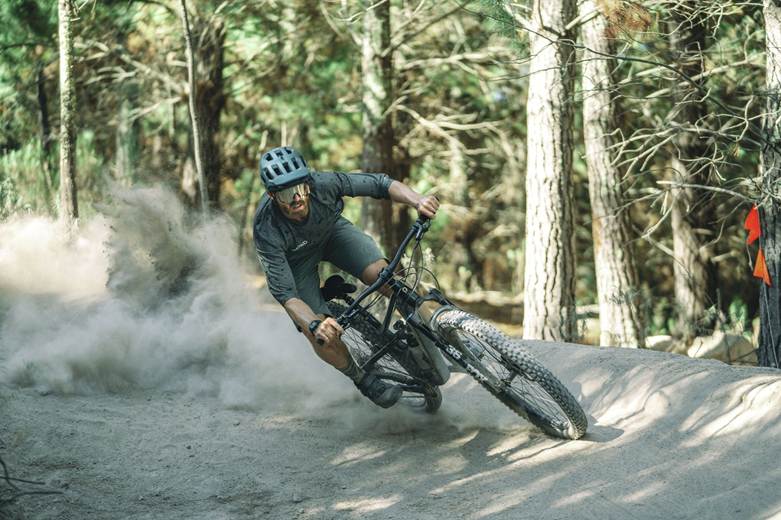
Steep descents, rocky climbs, and aggressive terrain are no longer exclusive to motorised vehicles. Bikes now reach places that were previously unrealistic without engines. This evolution ensures mountain biking remains a serious off-road discipline, not a nostalgic holdover.
Access to well-matched equipment also plays a role. Riders exploring options through retailers like BikesOnline often discover how specialised modern mountain bikes have become for different terrain demands — from cross-country to aggressive trail riding.
Cultural Value Beyond Machines
Mountain biking carries a culture of trail stewardship, shared access, and respect for terrain. These values increasingly influence broader off-road communities as land access becomes more contested.
UTV riders who also bike often develop stronger relationships with trail systems and land managers. That crossover helps protect access for everyone.
In this way, mountain bikes contribute to the future of off-road recreation, not just its past.
Why “Dominated” Doesn’t Mean “Replaced”
UTVs dominate in range, power, and carrying capacity — and they should. They’re unmatched for certain types of exploration. But domination doesn’t mean replacement.
Mountain bikes continue to matter because they serve purposes UTVs cannot. They preserve access, sharpen skills, reduce impact, and deepen connection to terrain. In a diversified off-road ecosystem, bikes remain essential tools rather than obsolete alternatives.
Final Perspective
In a world where UTVs define much of modern off-road riding, mountain bikes quietly maintain their relevance by doing what they’ve always done well: accessing tight terrain, building skill, and connecting riders to the land at human scale.
For serious off-road enthusiasts, the question isn’t whether bikes still matter. It’s how much capability they’re willing to leave behind without them.
*This is a collaborative post. For further information please refer to my disclosure page.
Related Posts:
The Hidden Benefits of Choosing Linen for Your Wedding Day Look

Planning a wedding is no joke. Between the guest list debates, last-minute seating chart swaps, and trying to decode the Read more
Busy Mom, Big Dreams: The Equipment Checklist for Your First Food Truck

Turning your love of cooking into a mobile business is an exciting step for any mom with an entrepreneurial spirit. Read more
Factors to Consider When Choosing Couples Life Insurance in the UK

Life insurance is a vital component of financial planning, providing protection and peace of mind for couples in the UK. Read more
How Positive People Stop Debt From Ruining Their Mood

*Collaborative Post If you owe someone money, it can be hard to focus on anything else. Being indebted to another Read more