
Why Terrazzo Tiles Are Melbourne’s Hottest Interior Design Trend in 2025
*Collaborative Post
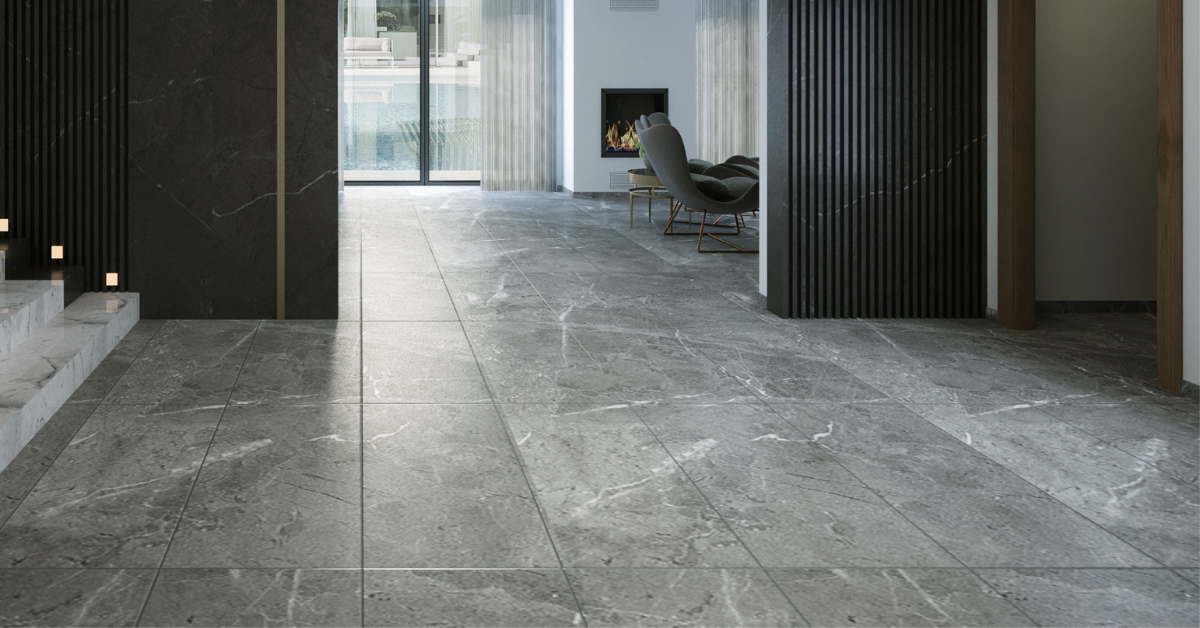
In Melbourne’s vibrant interior design scene, each year ushers in fresh aesthetics and materials. But in 2025, one tile material is making a major comeback terrazzo tiles. From chic inner-city apartments to renovated Victorian terraces and modern suburban homes, terrazzo is reclaiming its place as a style statement. Below, we explore why Terrazzo tiles Melbourne is dominating interiors this year and how you can use it in your own home.
What Is Terrazzo
Terrazzo is a composite material, traditionally made by embedding chips of marble, quartz, glass or stone into a cement or resin base, then polishing the surface to a smooth finish. The result is a stunning “speckled” mosaic effect. What makes terrazzo so captivating is that no two tiles are exactly alike, the random chips give natural variation, richness and visual texture.
After decades in relative obscurity, terrazzo is enjoying renewed popularity — not just for its retro appeal, but for its adaptability and modern performance. Designers and homeowners are embracing terrazzo not as a nostalgic throwback, but as a contemporary, versatile choice.
Aesthetics That Bridge Past & Present
One of terrazzo’s biggest strengths is its ability to straddle eras. It evokes mid-century elegance (perfect for Melbourne’s many art deco and mid-century homes) while also functioning beautifully in ultra-modern interiors. The speckled patterns, subtle tones and inherent texture bring visual interest without overwhelming a space.
In 2025, interior trends are leaning toward warm, earthy colour palettes, textured materials, and design choices that feel crafted and tactile — all areas where terrazzo excels. Because terrazzo can incorporate a wide range of tones from soft neutrals through warm terracotta flecks to bold coloured chips, it fits neatly into Melbourne’s evolving palette direction.
Durability and Practical Advantages
Melbourne homes demand materials that perform well through changing weather, foot traffic, moisture and heavy use — especially in kitchens, bathrooms and high-traffic zones. Terrazzo offers outstanding durability, resistance to wear, and longevity when well installed and sealed.
Unlike many wild, trendy finishes that degrade quickly, terrazzo is inherently a long-term investment. Because it’s a solid, monolithic surface, it’s less prone to chipping or cracking than some tile mosaics. And when damage occurs, small repairs are possible without losing the overall aesthetic harmony.
Moreover, when properly sealed, terrazzo is relatively low maintenance: straightforward to clean and less likely to stain than softer stones.
Customisable and Versatile
One of the reasons terrazzo is trending is its flexibility. You’re not forced into a fixed look, you can choose the base colour, chip materials (glass, marble, quartz, etc.), and density of aggregate to suit your vision. Want a minimal, subtle terrazzo floor for your living room? Go with fine, lightly-contrasting chips. Want drama in a bathroom? Use bold glass or coloured stone fragments.
Beyond floors, designers are applying terrazzo in creative ways: splashbacks, benchtops, interior walls, feature panels, furniture surfaces even stair treads and custom tabletops. This continuity enhances cohesion: you can echo terrazzo accents across rooms without forcing a single large slab everywhere.
In Melbourne, where homeowners increasingly favour personalisation and unique touches, terrazzo’s custom potential is a major draw.
Aligns with 2025 Interior Trends in Australia
In Australia’s 2025 tile and interior design forecasts, a few recurring themes stand out: warmer natural tones, textures over flat surfaces, earthy palettes, and expressive materials. Terrazzo hits all those marks:
- Texture & Depth: The contrast between glossy polished surface and embedded fragments introduces tactile interest.
- Earthy & Natural Inspiration: Designers are favouring organic materials and palettes, terrazzo integrates beautifully with timber, plaster, stone and matte finishes.
- Statement Material: Rather than a bland neutral tile, terrazzo becomes a focal point, especially when used in feature walls or contrasting zones.
- Sustainability & Recycled Content: Many modern terrazzo mixes utilise recycled glass and stone waste, making them a more sustainable choice.
Thus, terrazzo isn’t just riding a trend, it aligns with the deeper directional shifts in materials and interior sensibility.
Melbourne’s Unique Appeal & Expression
Melbourne is a city of layered architectural heritage, Victorian terraces, interwar bungalows, sleek contemporary apartments and terrazzo can adapt to all of these.
- In heritage homes, tessellated terrazzo borders or insert panels can complement period details while adding freshness.
- In modern apartments, a sweep of terrazzo flooring through foyer, kitchen and living areas delivers a seamless, polished look.
- In smaller spaces (bathrooms, laundry, entryways), terrazzo offers bold visual impact in a compact footprint.
Also, Melbourne’s strong café, gallery and boutique culture favours interiors with character and story. Terrazzo’s bespoke look, the unique speckle patterns from tile to tile, lends individuality. (No “cookie-cutter” uniformity.) Add to that the growing supplier base and local tile studios offering custom terrazzo mixes in Victoria, and the trend becomes accessible in both metro and suburban settings.
Tips for Using Terrazzo in Your Melbourne Home
- Choose the right scale & chip size: Large aggregate gives a bold “confetti” look; fine chips yield a subtler texture.
- Mind the colour contrast: High contrast chips will catch the eye, which is great in feature areas. For full floors, more tonal or low contrast chips give a calmer flow.
- Use sealers & maintenance strategy: To prevent staining, especially in kitchens, bathrooms or entry zones, ensure a high-quality sealer and regular resealing.
- Combine with complementary materials: Pair terrazzo with warm timbers, matte plaster walls, soft linens, and metal accents (brass, copper) to ground the look.
- Consider transitions: At thresholds between terrazzo and other floor finishes (e.g. timber, carpet), use clever inlays, metal strips or complementary border tiles to create harmonious joins.
- Feature selectively: If you don’t want terrazzo everywhere, use it in zones a kitchen splashback, bathroom vanity top, entryway floor then echo its tones elsewhere in softer materials.
Conclusion
Terrazzo tiles are not just another passing interior fad in Melbourne in 2025, they’re a design phenomenon. They bring together beauty, resilience, customisation and heritage in a way very few materials can. By complementing the evolving design trends (texture, warmth, expressiveness) and accommodating both classic and contemporary settings, terrazzo truly stands out as Melbourne’s hottest interior design trend today.
*This is a collaborative post. For further information please refer to my disclosure page.
Related Posts:
Animals Are Purrrfect For Our Wellbeing

*Collaborative Post Did you know that most households have a pet living in them? Even though owning your very own Read more
Here’s How Social Work Is Shaping Positive Parenting Practices

Positive parenting practices are essential for the healthy development of children and the well-being of families. Increasingly, parents are turning Read more
PRP or Hair Transplant? Let Your Trichology Test Decide

Hair loss is one of the most common aesthetic concerns, affecting both men and women worldwide. By the age of Read more
6 Simple Steps For Improving Your Home On A Budget

How many times in the last year have you looked at your home and put off doing it up due Read more