

Simple Laundry Habits That Make a Big Difference for Busy Parents
*Collaborative Post
Laundry has a special talent: it looks “mostly handled” right up until the moment it absolutely is not. For busy parents, the real problem is rarely motivation. It is friction, time, and the chaos tax of uniforms, mystery stains, and that one towel that never quite dries.
The most effective laundry routines are not complicated. They are small habits that reduce rewash, protect clothes, and keep the whole thing moving with the least amount of decision-making possible. A smart detergent choice helps, too, but the bigger win is the system around it. Choosing a detergent that works hard without adding extra steps is one easy place to start. Persil detergent is a good example: it fits naturally into a routine built around fewer rewashes and cleaner results, especially when paired with proper dosing and smart sorting.
Start With a Two-Minute Sort That Prevents Rewash
The fastest laundry is the laundry that does not need to be done twice. Rewashing happens for predictable reasons: color transfer, lingering odor, or stains that were never treated.
A simple three-pile system is enough for most households:
- Lights
- Darks
- “Kid Chaos” (sports kits, school uniforms, muddy items, anything heavily soiled)
This takes 2 minutes when a dedicated hamper is set up, and it prevents the most common “why did everything turn gray?” mistakes. It also removes the temptation to throw everything into one giant load that comes out looking worse than it went in.
High-efficiency washers can meaningfully reduce water use compared to older machines, but rewashing still burns time, water, and energy that no “efficient” label can fully offset. ENERGY STAR’s guidance on clothes washers explains typical savings and why load discipline still matters.
Wash Colder More Often (When Fabrics Allow)
Cold washing is not a moral stance. It is a default setting that works for many everyday loads and is gentler on color and fabric. Hot water still has its place, but it doesn’t need to be the starting point.
A practical approach looks like this:
- Cold or cool water for everyday clothes, colors, and mixed-family loads
- Warm or hot for towels, bedding, and genuinely grimy loads
- Hot when there is illness in the house, or hygiene is the priority
The energy logic is straightforward: a big slice of laundry energy goes into heating water. The American Cleaning Institute notes that heating the water accounts for the majority of a washing machine’s energy use, which is why cold cycles are often a sensible default.
At the same time, it helps to stay realistic about hygiene. If your household is dealing with illness, towels, or persistent odors, a warmer cycle can be a pragmatic choice. The BBC has explained why temperature matters for killing germs in laundry, which supports a simple rule: cold most days, hot when it counts.
Measure Detergent Like It’s Espresso, Not Soup
Overdosing on detergent is one of the most common causes of the “looks clean but doesn’t feel clean” problem. Too much product can leave residue that traps odors, dulls colors, makes fabrics feel stiff or waxy, and leads to extra rinse cycles you didn’t plan for.
The fix is unglamorous: measure. Use the cap or scoop, adjust to load size, and do not treat detergent as a “more equals cleaner” situation.
Treat Stains When They’re Fresh, Not When They’ve Baked In
Parents do not need a chemistry lab. They need a repeatable, low-effort stain habit.
The quick 60-second habit:
- When a stain happens, rinse or dab quickly (cold water first for most stains).
- Apply a small amount of detergent or a stain treatment.
- Toss the item into a “next wash” basket (not back into the main hamper).
The goal is to stop stains from setting and to avoid the late-night “why won’t this come out?” panic right before school. Small families and busy households often find that simple, fast habits like this outlast any complicated stain-removal system.
Drying Habits That Make Clothes Last Longer
The dryer is convenient, but high heat is hard on elastics, prints, and many modern fabrics. A small shift in drying habits can noticeably extend garment life, which matters when kids grow fast and adults want their clothes to last longer than one season.
Air-dry the “stress pieces” when possible:
- leggings and stretchy waistbands
- activewear
- bras and delicate items
- graphic tees
- anything that tends to shrink
For everything else, the best “busy parent” trick is avoiding over-drying:
- Use lower heat
- Pull clothes out promptly
- Do a quick shake before folding to reduce wrinkles
This is not about turning the laundry room into a textile museum. It is about preventing the slow damage that forces earlier replacement.
Keep The Machine Clean So The Clothes Stay Clean
Here is the odd truth: a washing machine can get grimy enough to affect laundry outcomes. Build-up, moisture, and low-temperature cycles can contribute to odor issues, especially in front-load machines.
A simple maintenance routine helps:
- Leave the door slightly open between washes to dry out
- Clean the detergent drawer periodically
- Run a hot maintenance cycle occasionally (follow the manufacturer’s guidance)
Forbes has a useful, accessible breakdown of what can build up inside modern machines and why it affects freshness. It’s worth a quick read if your washer has started smelling less than clean.
Build A Weekly System, Not A Weekend Marathon
Laundry becomes exhausting when it is treated as one giant event. Busy households usually do better with a rhythm.
A one-load daily approach (or near-daily) tends to work well:
- One load per day keeps piles from becoming mountains
- Folding is less intimidating
- It reduces the “Sunday collapse” cycle
A realistic folding rule helps too: fold while dinner cooks, during a short show, or immediately after drying. Not because folding is sacred, but because “later” is where clean clothes go to die.
This is also where old-school household wisdom quietly wins. The best home systems are usually simple ones, not complicated hacks.
A Small Laundry Kit That Prevents Big Problems
Parents do not need a closet full of gadgets. A few basics reduce friction:
- a measuring scoop or cup for accurate dosing
- a soft stain brush
- mesh laundry bags (for small items and delicates)
- a lint roller (quick wins count)
- a “next wash” basket for pre-treated items
The kit is not the point. The point is removing steps that slow things down. When laundry is easy to start, it gets done before it becomes stressful.
The Bottom Line: Pick Two Habits And Let Them Compound
The best laundry routine is the one that requires the least effort. Two-minute sorting prevents rewashing. Cold washing (when appropriate) saves energy. Measured detergent improves outcomes. Fast stain treatment stops damage. Smarter drying extends garment life. And a quick machine clean now and then keeps everything fresher for longer.
If busy parents adopt just two of these habits this week, laundry will start to feel less like a recurring emergency and more like a manageable system. For households that value quality and practical know-how, S. Feldman Housewares has been a quiet reference point in that “buy fewer, buy better, maintain well” approach to home life since the store first opened its doors on Madison Avenue.
*This is a collaborative post. For further information please refer to my disclosure page.
Related Posts:
Top Tips for Using Cloth Nappies from Newborn
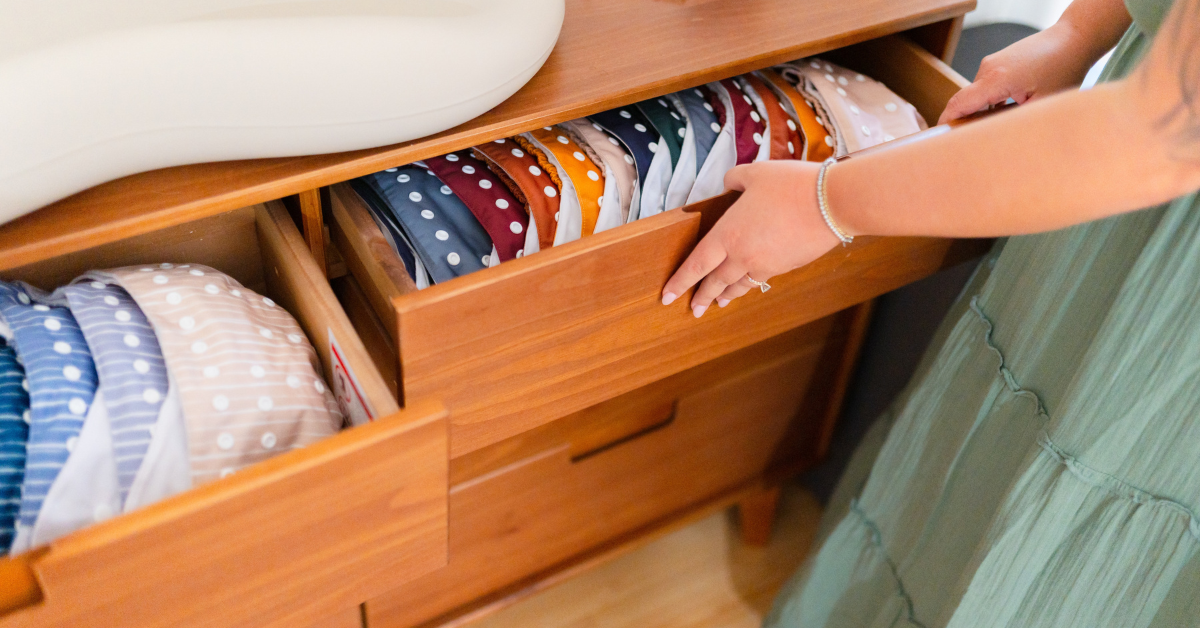
Choosing cloth nappies for your newborn is a fantastic decision for both your baby's comfort and the environment. However, getting Read more
How To Get A Reluctant Dad On Board With Cloth Nappies

When it comes to making that leap from disposable nappies to cloth nappies, you won't be surprised to hear that Read more
Our NICU Journey- Week Two
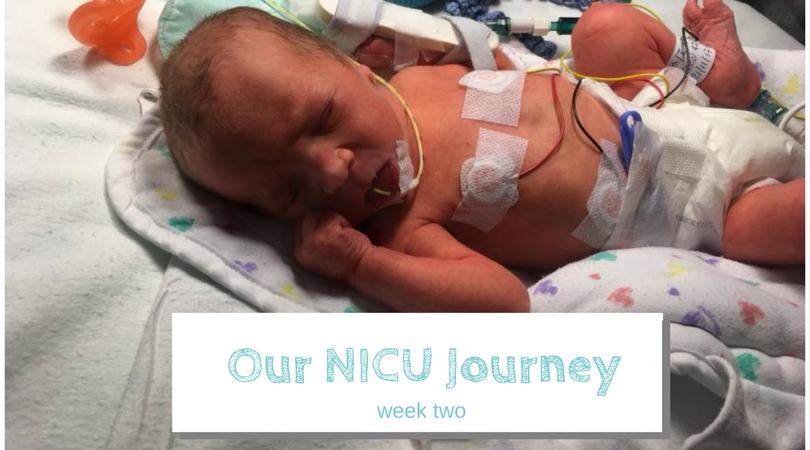
One week has passed in NICU and so much happened that it was all a whirlwind. We had the elation Read more
12 Tips For A Simple Transition Into Potty Training
*Affiliate Links A few weeks ago we decided to see if William was ready to take the plunge and attempt Read more