
Sustainable Carpets: What Materials Should You Look For?
*Collaborative Post
Carpet shopping can get confusing. One tag highlights recycled content. Another leans on “natural.” A third talks about indoor air. A cleaner way to choose is to look at four pieces: the fiber, the backing and padding, any treatments, and what it will take to keep the surface in good shape.
This guide focuses on choosing sustainable carpet materials while keeping day-to-day living in mind, without hype.
Start With The Fiber
Fiber drives feel, durability, and most of the environmental profile. Natural fiber carpets and sustainable rug materials can be renewable and biodegradable. Recycled synthetics can keep waste out of landfills and hold up well in busy rooms. Neither option fits every setting.
If your home already has a few stress points, flooring can be one of those small home issues when it stains easily or wears unevenly.
Natural Fiber Carpets: Wool And Plant Fibers
Wool is the best-known natural option for wall-to-wall. It often resists crushing, it feels warm, and it can look good for years when the construction is solid. Sourcing varies, so it helps to look for programs that track animal welfare and land practices rather than relying on vague “eco” claims.
Sometimes sustainability also looks like keeping what you already own. If the base is still sound, carpet cleaning instead of discarding your carpet can stretch the lifespan and delay replacement.
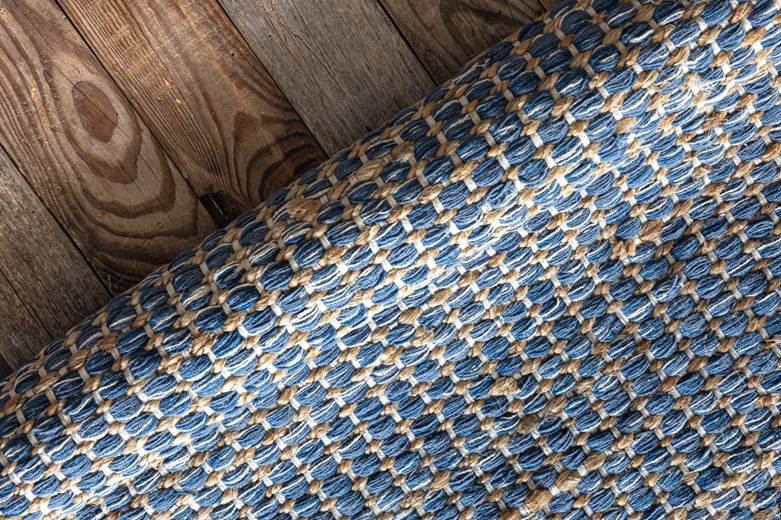
Plant fibers bring a different look and a different set of limits. Sisal is firm and tough, which makes it a favorite for high-traffic areas that stay dry. Jute is softer and fits calmer rooms with lighter use. Seagrass is strong and naturally stain-resistant, and it generally tolerates humidity better than sisal or jute.
Moisture is the common problem for many plant fibers. Spills, wet boots, and damp basements can leave marks, and the fibers can swell or buckle when humidity swings.
Recycled Synthetics: Strong Performance, Different Costs
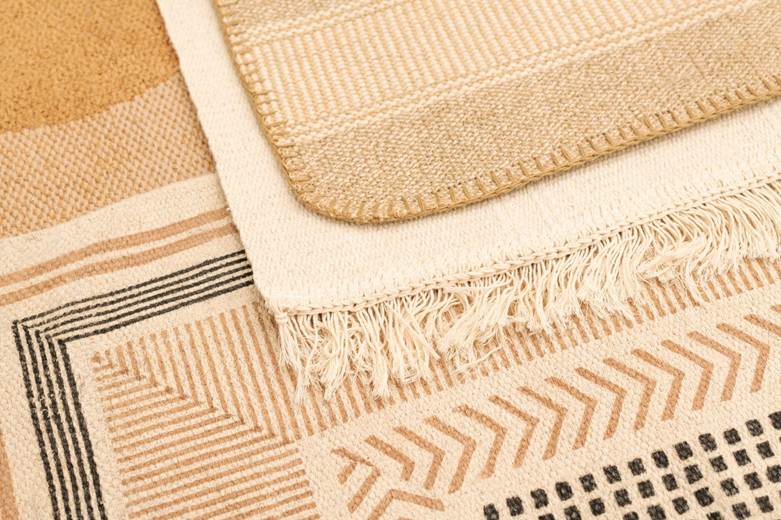
For households that want easy cleaning and high wear resistance, eco-friendly carpet materials sometimes include recycled synthetics.
Regenerated nylon-6, such as ECONYL, can be chemically recycled back into its raw building blocks and made again with high performance. That makes it a strong option for spaces where replacement cycles are usually short.
Recycled polyester, often called rPET, commonly starts as used plastic bottles. It can be less expensive than regenerated nylon and is typically stain-resistant. In heavy traffic, it may mat down sooner, and like other synthetics, it can shed tiny fibers during wear and cleaning.
Backing, Padding, And Installation
Carpet is a system, not just the face fiber. Backing materials and adhesives affect indoor air and end-of-life options.
The Carpet and Rug Institute notes that new carpet systems can release volatile organic compounds after installation, and it recommends active ventilation or a flush-out period for at least 72 hours. The organization also describes conventional broadloom carpet as a composite of fibers, adhesives, and multiple backings, which makes mechanical disassembly difficult and contributes to landfill disposal.
When possible, mechanical tackless installation avoids many glue-related emissions. If glue-down is needed, water-based products with low VOC content beat solvent-heavy formulas. Breathable, PVC-free backings also help, especially in homes that deal with seasonal humidity.
Material Snapshot Table
| Material | Type | Strengths | Watchouts | Best Spots |
| Wool | Natural | Resilient, comfortable, long-wearing | Higher cost, source impacts vary | Bedrooms, living areas |
| Sisal | Natural | High wear resistance, textured look | Stains with spills, dislikes damp rooms | Hallways, stairs, dry offices |
| Jute | Natural | Softer feel, biodegradable | Moisture sensitive, lighter wear | Bedrooms, low-traffic rooms |
| Seagrass | Natural | Strong, naturally stain-resistant | Rigid feel, limited colors | Entry zones, dining areas |
| Regenerated Nylon-6 | Recycled synthetic | Very durable, cleanable | Still synthetic, needs a take-back plan | Family rooms, play areas |
| rPET Polyester | Recycled synthetic | Stain resistance, often lower cost | Can mat, micro-fiber shedding | Guest rooms, moderate traffic |
Questions To Ask Before You Buy
- Is the carpet certified for low emissions by a third party such as CRI Green Label Plus, NSF/ANSI 140, or Cradle to Cradle Certified?
- Is it treated with PFAS stain repellents, or is it explicitly PFAS-free?
- What is the backing made of, and can it be separated during recycling?
- Does the manufacturer offer a take-back program, or is there a realistic recycling path in your area?
Environment and Climate Change Canada has described how textiles contribute to plastic waste and pollution. A take-back option and a product designed for separation carry more value than a broad “recyclable” claim.
Carpet Care And Maintenance
Good upkeep helps any carpet last longer, whether it is wool, sisal, or a recycled synthetic. Vacuuming that pulls grit out of traffic lanes keeps fibers from looking dull. Quick spill cleanup is most important for plant fibers, where water can leave a permanent shadow.
A professional carpet cleaning service can also reset the look of a room when soil has built up slowly over time. Deep cleaning is useful before you decide a carpet has reached the end of its run.
Room-By-Room Shortcuts
- Kids, pets, heavy traffic: regenerated nylon-6, or dense wool with a sturdy backing.
- Dry hallway or stairs: sisal or seagrass for texture and wear.
- Quiet bedroom: wool or jute, depending on budget and humidity.
- Basement: skip moisture-sensitive plant fibers unless the space stays reliably dry.
If you like owning fewer things that work better, the same thinking applies to floors. A carpet that fits the room and holds up can pair naturally with a minimalist lifestyle.
Final Thoughts
Sustainable carpets come down to clear choices, not perfect ones. Start with the room, then choose fibers and backings that can handle how the space actually gets used. Watch for stain treatments you do not want in the home, and take emissions seriously during installation. With steady care, the same surface can stay in service for years.
For more ideas on lower-impact choices at home, browse our eco-living blog.
*This is a collaborative post. For further information please refer to my disclosure page.
Related Posts:
23 Simple Ways To Reduce Your Household Waste

Reducing our household waste has been an ongoing process for the last 2 years and even though it all comes Read more
How to Live an Eco-Friendly Student Life

Life at university or college is the perfect time to establish some of the healthy habits that will serve you Read more
How To Make Natural Toilet Bombs

Cleaning my home more naturally is really important to me, firstly because I want to rid my home of chemicals Read more
Sustainability at the Root of 21st Century Home-Design

Certain industries tend to contribute disproportionately to our collective carbon emissions. Construction is certainly one of them. Not only do Read more