
Beyond Childproofing: What to Do When Baby Emergencies Happen
*Collaborative Post
Becoming a new parent is overwhelming, and keeping your baby safe quickly becomes your only priority. This guide covers essential emergency preparedness tips, from baby-proofing your living room to recognizing subtle signs of respiratory distress. Learn why taking a hands-on CPR class is the single best way to protect your little one.
Bringing a newborn home is terrifying and wonderful all at once. Suddenly, you’re responsible for this fragile little life, and every tiny cough sounds like a crisis. You probably spent weeks picking out the safest car seat and researching organic baby wipes. But what actually happens if your toddler starts choking on a piece of fruit?
To get real, lasting peace of mind, signing up for a First Aid course is the absolute smartest thing you can do for your family. Knowing exactly how to react in those terrifying first few seconds saves lives.
Why is basic emergency knowledge so critical for parents?
When an accident happens, your brain often freezes. It is a completely natural stress response. You might know how to dial 911, but the average ambulance response time can be anywhere from seven to fourteen minutes depending on where you live.
Those minutes feel like hours when your child is struggling to breathe or bleeding. CPR and choking relief skills give you the power to act immediately. Instead of waiting helplessly, you become the first responder for your own child.
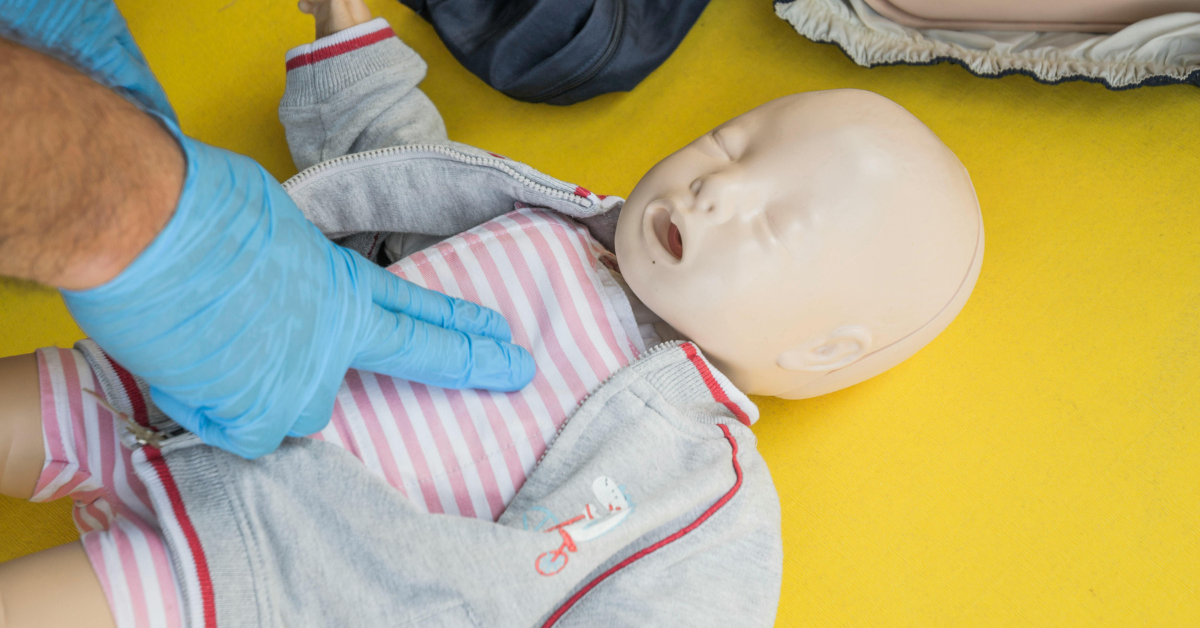
Plus, taking a certified class removes the guesswork. You get to practice on infant mannequins, meaning your hands build muscle memory. If the unthinkable happens, your body knows what to do even if your mind is panicking.
What are the most common household risks for infants and toddlers?
Once your baby starts crawling, your house turns into an obstacle course of hazards. Choking is one of the leading causes of injury for kids under four. Grapes, hot dogs, loose change, and small toy parts are massive culprits.
Burns are another sneaky danger. A mug of hot coffee left on the edge of a coffee table can cause severe scalds in a split second. Even hot bath water can burn a baby’s incredibly thin skin if not tested properly.
Then, there are the falls. The moment your baby learns to roll over, changing tables become drop zones. Identifying these risks before your child is mobile is half the battle.
How can you effectively childproof your home today?
You don’t need to wrap your house in bubble wrap, but a few strategic changes make a huge difference. Start by getting down on your hands and knees to see the world from their height.
- Anchor your furniture: Dressers, bookshelves, and TVs must be bolted to the wall. Toddlers love to climb, and tip-overs happen silently.
- Lock the cabinets: Put magnetic locks on lower kitchen and bathroom cabinets, especially where cleaning supplies or medications are kept.
- Install safety gates: Block off staircases at both the top and bottom. Pressure-mounted gates are fine for the bottom, but the top of the stairs requires a hardware-mounted gate for actual security.
Don’t forget about window blind cords. Tie them up high out of reach, or switch to cordless blinds if it’s in your budget.
What should be inside your baby first aid kit?
Every parent needs a dedicated first aid kit stashed in a spot that is easy to reach. Don’t rely on the scattered supplies in your bathroom drawer.
Make sure your kit includes a reliable digital thermometer, infant acetaminophen (only use under pediatrician guidance), and plenty of various-sized bandages. You will also want sterile gauze pads and medical tape.
A bulb syringe or a Snotsucker, paired with infant saline drops, is highly recommended for clearing tiny congested noses. Keep a slip of paper inside the kit with the Poison Control phone number and your doctor’s after-hours line.
How do you know when to go to the emergency room?
It’s hard to know when to wait it out and when to grab the diaper bag and run to the car. As a general rule, any fever over 100.4°F (38°C) in a newborn under three months old requires an immediate ER trip.
Breathing issues are another major red flag. If your baby is grunting, flaring their nostrils, or you can see the skin pulling in around their ribs (called retractions) when they breathe, get medical help immediately.
Trust your gut. If your baby is unusually lethargic, won’t wake up for feedings, or is inconsolably crying for hours, call your doctor or head to the hospital. You will never regret getting them checked out.
Where can parents find reliable training locally?
Taking a local class is easier than ever with modern blended formats. You can do the reading and theory online while the baby naps, and then just pop into the classroom for the hands-on skills testing.
If you are looking for first aid training near the Halifax area, the downtown core, or other nearby coastal neighborhoods close to our facility, then you may reach out to Coast2Coast First Aid & Aquatics in that area. We offer WSIB/OHS approved training that fits into a busy parent’s schedule.
What are some frequently asked questions about baby first aid?
When should I start taking a CPR class? The best time to take a class is during your third trimester. This ensures the information is fresh in your mind before the baby arrives and things get hectic.
Is infant CPR different from adult CPR? Yes, it is very different. You use far less pressure, often just two fingers for chest compressions, and the technique for clearing a choking airway relies on back slaps rather than the traditional Heimlich maneuver.
How often should I renew my first aid certification? Certifications typically expire after three years. However, it is highly recommended to take a refresher course every year, as guidelines occasionally change and muscle memory fades over time.
What is the best way to handle a minor burn? Immediately run cool (not ice cold) water over the burn for at least 10 to 15 minutes. Do not apply butter, ice, or thick ointments right away, as these can trap the heat in the skin.
Can I give my infant water if they are dehydrated? No, babies under six months should not be given plain water, as it can dangerously alter their sodium levels. Stick to breastmilk or formula, and consult a doctor if you suspect dehydration.
*This is a collaborative post. For further information please refer to my disclosure page.
Related Posts:
7 Ways to Help Your Children Process Grief This Holiday Season

The holiday season can be an especially difficult time of year for children who have lost a loved one. It’s Read more
My Pregnancy: The Consultant Meeting
If you follow me on social media you will know that today we were a little nervous because we had Read more
The Importance of Sleep for Children… and You!!

**Collaborative Post As a parent, I reckon that around 95% of my conversations revolve around sleep (or lack of!) It's Read more
Tips to Help Your Kid Make Friendship with Your Golden Retriever

Golden Retrievers are the ultimate family pets due to their friendly nature. Knowing how to get along with these fantastic Read more