
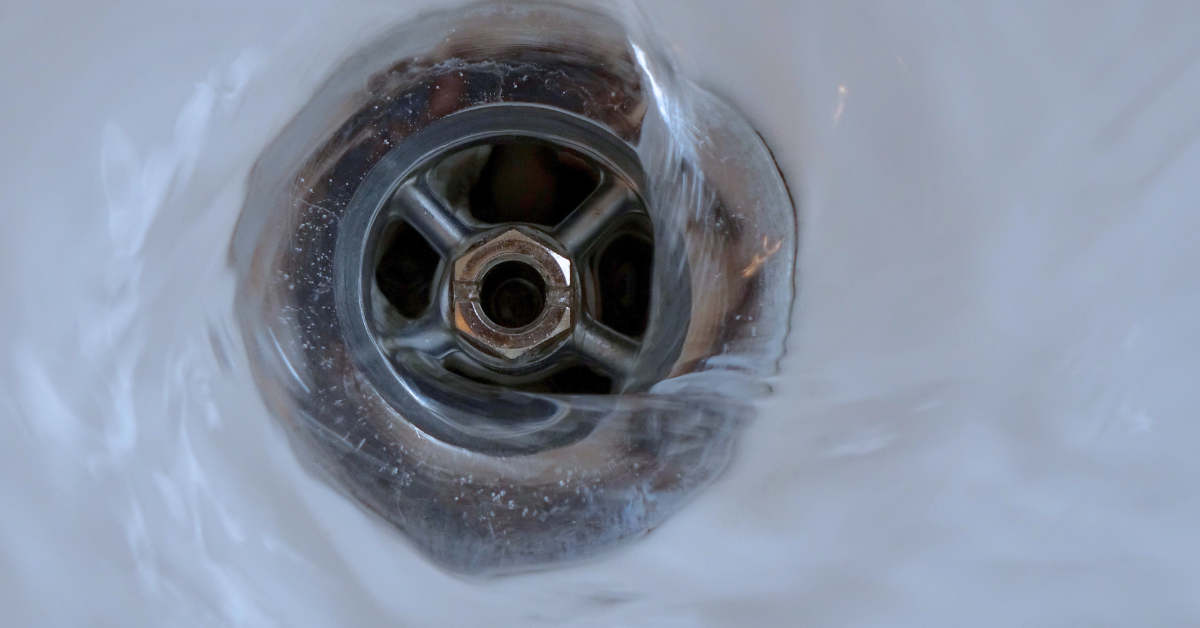
What Is Hiding in Your Drains? How a Drain Camera Can Help Prevent Costly Home Repairs
*Collaborative Post
Recurring blockages, unpleasant smells and slow drainage may be symptoms of a problem that cannot be diagnosed from the surface.
A blocked sink is usually treated as a problem at the plughole. We remove the visible hair, try a plunger, clean the trap or use a drain snake, then wait to see whether the water begins to disappear normally. Sometimes that is all the situation needs. When the same symptoms return, however, the real problem may be farther along the pipe.
Underground drainage is easy to ignore because most of it remains out of sight. A sewer inspection camera changes that. Instead of guessing where a blockage sits or whether a pipe is damaged, it provides a live view from inside the line. Used at the right time, that evidence can help a homeowner ask better questions, avoid unsuitable repairs, and understand when professional help is necessary.
Warning Signs That Deserve a Closer Look
One slow basin after a build-up of hair or soap is not automatically a major drainage fault. A pattern across several fixtures is more significant. Pay attention when a toilet gurgles as a bath empties, water rises in a shower tray when another appliance drains, or several ground-floor fixtures become slow at the same time.
Recurring blockages, persistent drain smells, unexplained damp patches, subsidence near a drainage route and sewage backing up are also reasons to investigate. In an older property, displaced joints, cracks and root intrusion may be possible. In a recently renovated home, construction debris or a poorly connected section can cause trouble long after the work appears complete.
Stop using affected fixtures if wastewater is backing up or there is a risk of contamination. Keep children and pets away from the area and contact an appropriate drainage professional. A camera is a diagnostic tool, not a reason to expose the household to sewage.
What a Drain Camera Can Reveal
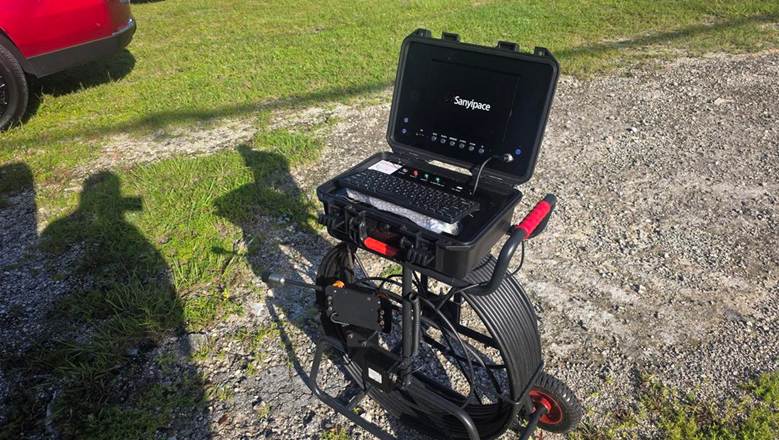
A drain camera consists of a waterproof camera head attached to a push cable, with the image displayed on a monitor. The operator feeds the camera through a suitable access point and watches for changes in the pipe. Depending on visibility and equipment, footage may show grease, scale, wipes, foreign objects, roots, cracks, corrosion, open joints or sections that hold standing water.
The image provides context that an ordinary clearing tool cannot. A cable may punch a temporary path through a blockage, but the pipe camera can show whether residue still coats the pipe or whether a structural defect is catching waste. Standing water may suggest a low section, although the condition should be interpreted carefully because the camera alone does not measure every aspect of pipe fall.
Professional systems may record video, estimate insertion distance and use a sonde that can be located from above ground. Those functions help document the defect and narrow the excavation area, but only when the operator understands their limitations and uses compatible locating equipment.
How Better Information Can Prevent Unnecessary Work
Without inspection, a homeowner may move from one generic treatment to another: chemicals, plunging, rodding and repeated call-outs. If the real cause is a broken joint or root entry, temporary clearing does not correct it. If the pipe is intact and the obstruction is localised, major excavation may be unnecessary.
Camera footage can help a contractor choose between cleaning, cutting roots, repairing a short section, lining a suitable pipe or replacing a failed run. It can also provide a before-and-after record. After cleaning, a second pass may confirm whether deposits were removed and whether a defect was concealed behind them.
This does not mean the camera decides the repair. The image must be considered alongside the symptoms, access, pipe material, drainage layout and, when relevant, water testing or a professional survey. Its value lies in replacing a vague assumption with visible evidence.
When a Homeowner Might Use One
Compact cameras can be useful for an accessible rainwater pipe, a straightforward waste line, or an initial look through a proper inspection point. They may also help someone document an issue before contacting a contractor. Choose a sewer camera designed for pipe inspection rather than assuming a short, flexible borescope will travel effectively through a household drain.
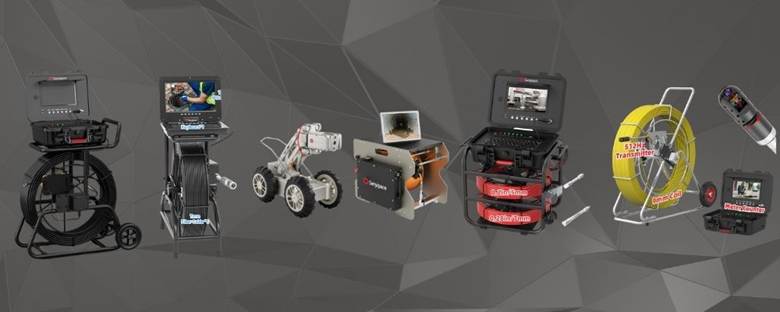
Camera-head diameter, cable stiffness, cable length, and pipe bends all affect access. A larger head may provide a robust image but fail to pass through a small trap or tight bend. A very flexible cable may navigate nearby fittings but become difficult to push along a larger run. Before choosing from available drain inspection cameras, match the system to the expected pipe diameter, access point, distance, and number of bends.
Never force a camera. If the head meets firm resistance, continuing to push can wedge it in the pipe or damage the cable. Do not insert electrical equipment into a drain unless it is designed and rated for that use, and follow the manufacturer’s cleaning and disinfection instructions after every inspection.
When to Call a Drainage Professional
Professional help is the safer choice when sewage is backing up, the line serves several properties, the access point is unknown, the camera must travel a long distance, or structural damage is suspected. The same applies when a camera becomes stuck or when excavation, high-pressure water jetting, root cutting, or pipe lining may be required.
In the UK, the question of responsibility also matters. A drain serving only one property is often the homeowner’s responsibility, while a lateral drain or sewer shared with other properties may belong to the local water and sewerage company. Boundaries and arrangements vary, so establish ownership before authorising significant work. Your insurer, conveyancer, water company or local drainage specialist may be able to help clarify the position.
Ask a contractor what the survey includes. Useful deliverables may include recorded footage, still images, defect notes, the estimated distance to each issue and a plan showing the inspected route. Confirm whether cleaning is needed before inspection; a camera cannot provide a useful view through completely opaque wastewater or heavy deposits.
A Useful Check When Buying an Older Property
A standard property survey does not always include a detailed examination inside underground drains. For an older home, a property with large trees near the drainage route, or a building that has been extended, a separate CCTV drain survey may reveal information that affects the purchase or future maintenance budget.
Extensions can conceal inspection points or place structures close to drainage. Older materials may have moved or deteriorated. A survey cannot promise that a pipe will never fail, but it can identify visible conditions and give the buyer a more informed basis for discussion.
Look Before You Commit to the Repair
Not every slow drain needs a camera. Start with accessible, low-risk checks and ordinary maintenance. The case for inspection becomes stronger when the problem repeats, affects several fixtures, resists normal clearing or points towards a structural fault.
Used responsibly, a drain camera does more than find a blockage. It shows where the problem is, what may be causing it and what the surrounding pipe looks like. That can reduce guesswork, support a targeted response and give homeowners a clearer repair record.
The goal is not to turn every homeowner into a drainage engineer. It is to make the hidden part of the home a little less mysterious—and to ensure that the next decision is based on evidence rather than the hope that another quick fix will last.
*This is a collaborative post. For further information please refer to my disclosure page.
Related Posts:
Family Law Changes Every Parent Should Know About

In recent years, significant developments in family law have emerged, impacting a wide array of issues faced by families today. Read more
Ways to Wear Sequin Dresses

Elegant, shimmering and always chic, the sequin dress is the statement that just keeps on giving! Whether you’re looking for Read more
The Quickest Ways To Take Care Of Your House As Soon As You Move In

*Collaborative Post When it comes to moving house, there’s always going to be a lot for you to do. Even Read more
Stress-Free Family Moves Keeping Kids Happy During a Bristol Relocation

Moving to a new home is an adventure, but when you're relocating with children, it can feel like organising a Read more