
What To Expect When A Personal Injury Case Goes To Trial
*Collaborative Post
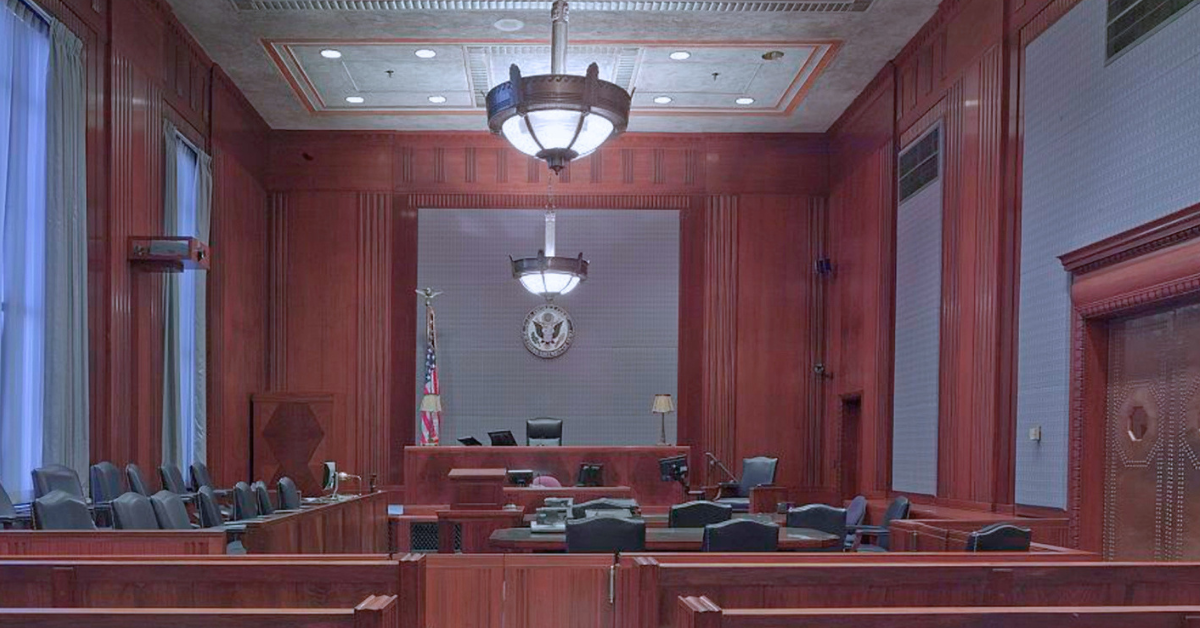
New York’s crowded roads, active construction sites, busy businesses, and extensive healthcare system create many situations in which serious injuries can lead to legal disputes. For injured people, pursuing compensation can become especially difficult when an insurer or responsible party disputes how an accident occurred, the extent of the harm, or the value of resulting losses. When those disagreements remain unresolved, the claim may eventually move from negotiation into a New York courtroom. At that point, the injured person faces a formal process governed by procedural rules, deadlines, and standards of proof that can influence how the case develops.
Understanding the courtroom setting can make it easier to anticipate the responsibilities involved and see why careful legal guidance matters. Harrison Law Group trial attorneys can help clients understand how they may present and challenge their individual circumstances in court. Knowing what lies ahead also helps injured people approach litigation with realistic expectations and make thoughtful choices as their case moves toward resolution.
Pretrial Preparation
The court usually holds conferences before trial begins. These meetings address deadlines, evidence disputes, settlement discussions, and the expected length of the proceeding. The judge can also decide which claims, witnesses, or documents each side can present.
Both sides exchange information during discovery. This process can include written questions, document requests, and depositions. During a deposition, a party or witness answers questions under oath before trial. Those answers can become evidence and must remain consistent with later testimony.
An injured person should follow medical instructions, attend scheduled appointments, and avoid discussing the case publicly. Social media posts, casual statements, and missed treatment can affect how opposing counsel presents the injury. Report any new medical developments to the attorney promptly.
Financial documentation also requires careful attention. Pay stubs, tax records, employment statements, and business records can help prove lost income. If a person cannot return to the same job, they should document work restrictions, reduced hours, and changes in earning capacity.
Jury Selection and Opening Statements
Many personal injury trials use a jury. During jury selection, attorneys and the judge ask potential jurors questions about their experiences, beliefs, and ability to remain impartial. Each side can challenge certain jurors under the rules that apply to the case.
Opening statements follow jury selection. The plaintiff’s attorney explains what the evidence may show. The defense attorney then presents its position. These statements are arguments, not evidence, and the jury must wait for testimony and exhibits before deciding what facts get proven.
Evidence and Testimony
The plaintiff usually presents evidence first. The injured person may testify about the accident, symptoms, treatment, daily limitations, and financial losses. Doctors, therapists, employers, accident witnesses, and other qualified witnesses can provide additional testimony.
The defense can cross-examine each witness. Questions often address timing, prior injuries, treatment history, the accident itself, and the claimed losses. The plaintiff’s attorney then has an opportunity to clarify matters through redirect examination.
Documents and physical evidence also matter. Medical bills, wage records, photographs, surveillance footage, and accident reports can support the testimony. The judge decides whether proposed evidence meets the applicable legal rules.
The Verdict and Possible Appeals
After both sides present their cases, the attorneys deliver closing arguments. They explain how the evidence supports or defeats the claims. The judge then instructs the jury on the law, and the jury deliberates privately.
The verdict determines whether the defendant is liable and, if so, the amount of damages. Damages can involve medical expenses, lost income, pain and suffering, and other losses supported by evidence. The court enters a judgment based on the verdict.
Either side can ask the court to reconsider certain issues or file an appeal. An appeal does not automatically create a new trial. It reviews alleged legal errors in the proceedings, and the process can delay final payment.
After the Verdict
A favorable verdict does not always result in immediate payment. The defendant can pursue post-trial motions or an appeal within the applicable deadline. The judgment may also require additional steps before funds reach the injured person.
The attorney reviews the judgment, available insurance coverage, liens, and outstanding medical bills. Settlement discussions can continue after a verdict if both sides prefer to avoid further litigation. The final recovery depends on the judgment, negotiated terms, deductions, and collection process.
Conclusion
A personal injury trial requires preparation, consistent testimony, organized evidence, and patience. The injured person should preserve records, follow treatment plans, avoid public case discussions, and answer questions truthfully. Settlement remains possible before and during trial, so each offer requires careful review against the evidence and expected losses. The practical next step is a case assessment with a qualified attorney who can explain the claims, deadlines, risks, and trial strategy based on the individual facts.
*This is a collaborative post. For further information please refer to my disclosure page.
Related Posts:
Creating a Minimalist Wardrobe with Versatile Watch Straps

The Minimalist Approach to Accessories Minimalism in fashion is about embracing simplicity and functionality, creating a cohesive style with fewer, Read more
Understanding Bladder Tumours and the TURBT Treatment

Discovering blood in your urine or changes in your bladder habits can be worrying, but you’re not alone. Many people Read more
Boosting Energy, Immunity, and Mood: The Multivitamin Benefits You Didn’t Know About

In today’s busy world, multivitamins are more popular than ever as many adults seek simple solutions to support their health. Read more
Trying To Make Your Home More Sustainable? Let Nature Do The Heavy Lifting!

*Collaborative Post Our use of plastic is getting drastic. Our love of meat and dairy is making climate change pretty Read more