
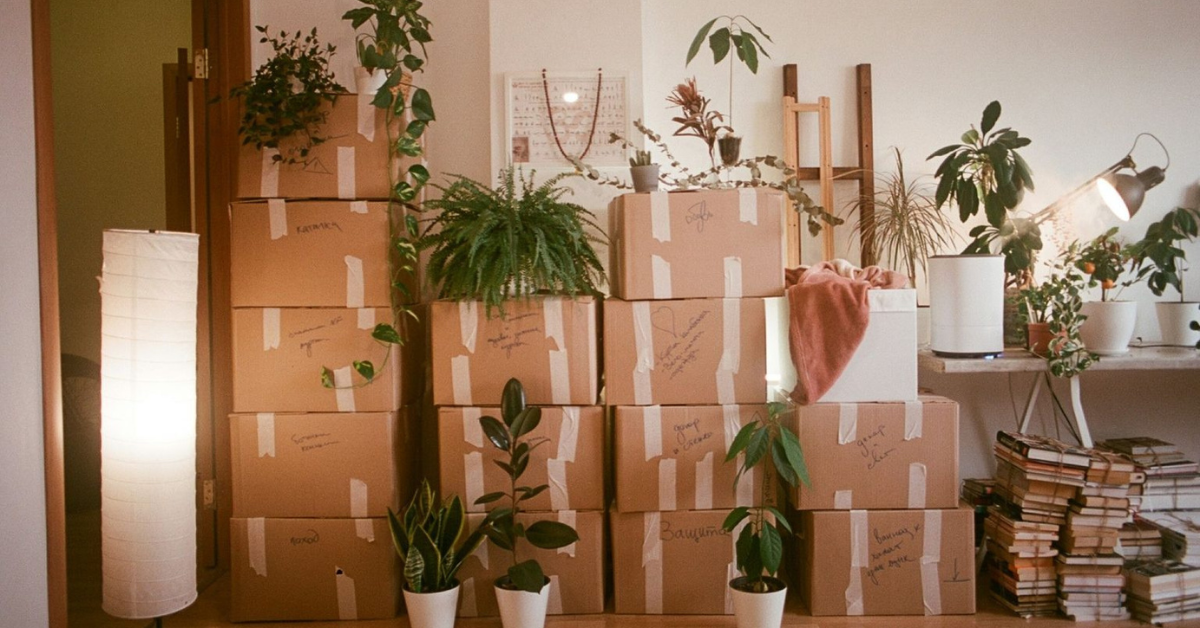
Boxes, Kids, and a Conscience: How to Move House Without the Waste
*Collaborative Post
It’s difficult enough to move with kids, but keeping garbage piles to a minimum is tough when you’re moving. The great thing is that moving in an eco-friendly way is typically quieter as well. This article will detail how to make the home packing and decluttering experience, how to pack a home without using all that plastic, and how to help children cope with the move.
Fewer Things, Lighter Move
Every item that does not make the trip to the new home saves a box, space in the truck, and unpacking time. We advise starting the decluttering process several weeks early, room by room, immediately deciding the fate of unneeded items:
- Donate clothes and toys in good condition to a charity shop or neighbors with younger children;
- Sell or offer furniture and appliances in local exchange groups;
- Recycle broken items rather than throwing them into the general bin;
- Photograph children’s drawings, keeping only the most cherished originals as keepsakes.
When there are fewer things, choosing a carrier becomes simpler as well. For example, Elatemoving starts its work with a detailed plan, a checklist, and an inventory of everything to be transported, while the client notes that the crew arrives with their own packing materials. It is precisely such an inventory that helps avoid ordering excess volume and buying boxes just in case.
Packing Without the Plastic Mountain
Packaging, particularly bubble wrap and tape, is the primary contributor to waste during a moving day. Even in many cities, plastic wrap is not accepted as regular recyclables, so once removed from the package, it will likely end up in a landfill. While it’s hard to eliminate entirely, its volume can be dramatically decreased.
| Packing option | Eco upside | Worth knowing |
| Rented reusable crates | No boxes left to dispose of afterwards | Delivered and collected on a set schedule |
| Second-hand cardboard boxes | Gives existing boxes another life | Check the bottoms for damp or weak seams |
| Towels, bedding, and clothes | Padding you were moving anyway | Best for sturdy items, not fine glass |
| Plain packing paper | Usually recyclable with household paper | Cleaner than newspaper on light surfaces |
| Movers’ padded blankets | Reused from one move to the next | Ask whether they are included in the quote |
Boxes should not be rushed off to paper recycling right after the move: they can be passed on to neighbors or acquaintances who are also planning to move or offered in the same local exchange group. Thus, the packaging lives through at least one more cycle.
Letting Kids Own a Piece of the Move
Moving for a child is not just about logistics — it’s about losing their familiar world. During the same period, children are more accepting of change when it is presented to them as a genuine part of what is happening. This is typically what is effective:
- A personal box with favorite items that the child signs and decorates themselves;
- A farewell walk around the old neighborhood taking photos of favorite spots;
- A first-night box containing pajamas, a nightlight, and a toothbrush;
- The right to choose where the bed or shelf will stand in the new room.
Such small details transform the move into a story that the child experiences together with the family, rather than observing from the sidelines. By the way, a box signed by a child’s hand is a great reason to begin unpacking right in the children’s room.
Moving Day and the First Week
On moving day itself, having children spend a couple of hours at their grandparents’ or friends’ house is best, since hanging around movers and boxes is boring and unsafe for them. A predictable schedule is also important: the company states that 99.5% of its moves run on time, and after unloading, the crew unpacks and arranges items according to the owner’s wishes.
During the first week, we would not chase after an ideal interior right away. First, settle into the kids’ room, kitchen, and bathroom, while new purchases should be delayed until it becomes clear what is truly missing. In other words, conscious consumption continues after the move as well.
A Greener Start in a New Home
An eco-friendly move is primarily about fewer things, less plastic, and more attention to children. Such an approach saves energy, money, and shelf space. A new life in a new home starts more smoothly when there is nothing extra in it.
*This is a collaborative post. For further information please refer to my disclosure page.
Related Posts:
The Ultimate Guide to Preparing Your Property For Sale

Selling a property is an exciting and daunting experience. Whether it’s your first time or you’re a seasoned seller, preparing Read more
7 Signs You May Benefit from Professional Financial Planning in Melbourne

Managing your finances effectively involves more than keeping track of income and expenses. As your financial circumstances, priorities and responsibilities Read more
The Ultimate Guide to uPVC Front Doors – Cost, Pros, and Cons
Front uPVC Doors In the realm of home improvement, the front door serves as a pivotal element, not only for Read more
Top Gutter Cleaning Experts in Harlow

Gutters play a crucial role in protecting our homes from water damage, and keeping them clean and well-maintained is essential. Read more