

Hidden Financial Assets Many Families Overlook When Planning for Retirement
*Collaborative Post
You might believe your workplace pension and the state pension are the only things that matter for retirement. Well, they are not.
Hidden financial assets that could be used for planning retirement could be sitting in old pension pots, life insurance policies, home equity, or even a side business you rarely think about.
Many families do not have an income problem. They have a visibility problem. In this article, you will discover the overlooked assets that can strengthen your retirement strategy, how to identify them, and why reviewing them now can change what your future looks like.
Forgotten Pension Pots
Old workplace pensions and personal pensions often get left behind during job changes. Over time, families lose track of small pots that quietly grow for decades.
Millions of pension pots in the UK remain unclaimed or forgotten each year. Even a modest five-figure balance rediscovered at age 60 can meaningfully shift your retirement timeline.
Start by reviewing previous employers, checking with pension providers, and using the government’s Pension Tracing Service where appropriate. Organised records reduce fees and simplify withdrawals later.
Cash Value in Life Insurance Policies
Whole-of-life and other permanent life insurance policies can build cash value over time. Many policyholders focus only on the death benefit and overlook the living value attached to it.
Cash-value policies may offer borrowing options or structured payouts depending on the provider. For families facing market volatility, built-in liquidity can provide flexibility when other assets are under pressure.
Some policyholders also explore secondary market options, such as Abacus life settlement investments, where qualifying policies may be sold for more than their surrender value.
Retirees with changing insurance needs often discover meaningful value by reviewing policy performance before making cancellation decisions. So, make sure you review your policies.
Tax Efficient Savings Accounts as Retirement Boosters
Individual Savings Accounts are often treated as flexible rainy-day funds. Used strategically, they can become powerful, tax-efficient retirement income sources.
ISAs allow investments to grow free from income tax and capital gains tax. Over decades, that tax shelter can significantly increase what you actually keep, especially when drawing income alongside pensions.
Many retirees overlook old Cash ISAs, Stocks and Shares ISAs, or Help to Buy ISAs opened years ago. Reviewing contribution history, consolidating accounts where appropriate, and aligning investments can turn overlooked savings into a meaningful income supplement.
Home Equity Beyond Selling the House
Home equity represents one of the largest balance-sheet items for many retirees. Yet, it often remains untapped unless a full property sale occurs.
Downsizing, renting out a room, or exploring equity release products can convert illiquid wealth into usable funds. Each option carries implications for inheritance, taxation, and long-term housing security.
Before making a move, evaluate lifestyle goals, tax considerations, and future care needs. A house is more than a residence, but it should still serve your financial plan.
Equity Compensation and Employee Share Schemes
Share options, restricted stock, and employee share purchase schemes can become sizable assets over time. Many workers treat them as bonuses instead of retirement building blocks.
Vesting schedules, capital gains tax, and diversification decisions all influence how much of that compensation you actually keep. Ignoring concentrated shareholdings can increase portfolio risk just before retirement.
Review scheme rules and coordinate with a qualified tax adviser before exercising or selling shares. Strategic planning prevents unnecessary tax surprises and reduces overexposure to a single company.
Small Business Ownership and Side Income Streams
Family businesses, consultancy income, and side ventures often carry more value than owners realise. Goodwill, recurring contracts, and established client relationships may hold resale potential.
Shareholder agreements, succession planning, and formal valuations bring clarity to what the enterprise is truly worth. A business that generates even modest recurring revenue can strengthen retirement cash flow if structured properly.
Preparation years before retirement increases flexibility. Waiting until the last minute limits negotiating power and valuation leverage.
Making Hidden Financial Assets Work for You
Hidden financial assets deserve a deliberate review before you finalise your long-term strategy. Small, rediscovered resources can compound into meaningful security over decades. Take time to inventory every policy, pension, benefit, and ownership interest tied to your name.
And if you found this article to be helpful, check out our other insightful blog posts!
*This is a collaborative post. For further information please refer to my disclosure page.
Related Posts:
Seasonal Home Checks You Shouldn’t Ignore

Owning a home comes with ongoing responsibility, and one of the most effective ways to protect your property is through Read more
Protection Visa Refusal Appeal: Common Reasons and Solutions

Thousands of people escape to new countries, seeking hope and opportunity. While many applicants will have their protection visa application Read more
Damp & Mould Removal in Liverpool’s Rented Homes: Scrubbed With Love Analyses Five Years of Council Data
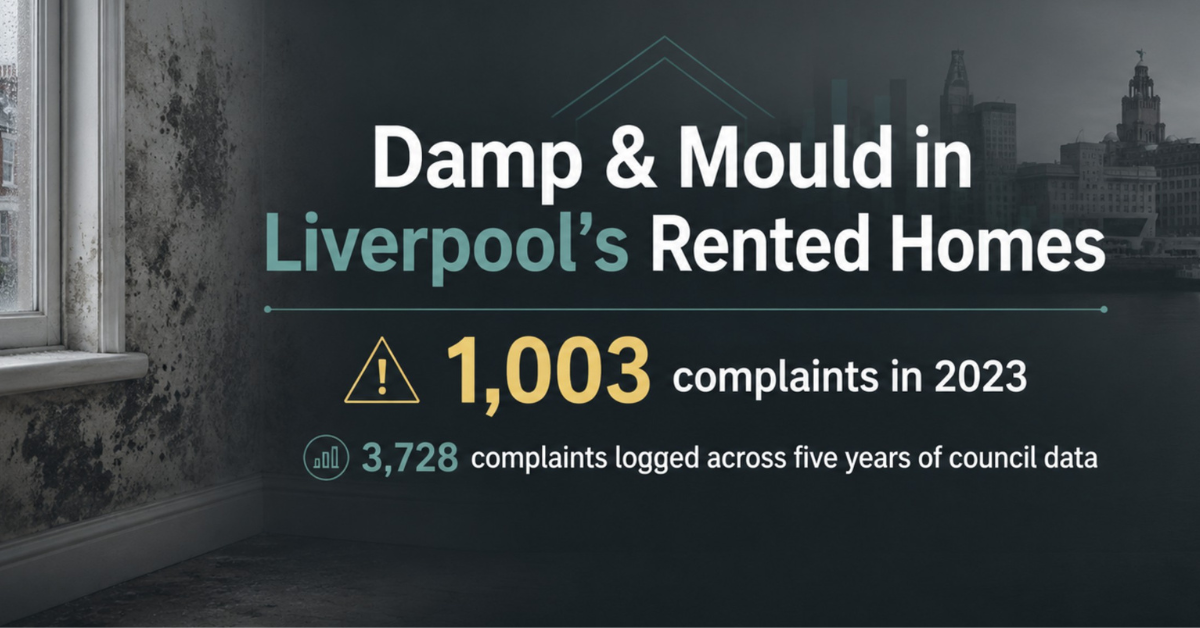
Liverpool City Council received 1,003 complaints about damp and mould in private rented housing in 2023, nearly double the 524 Read more
One Foot In The Material World: Learning To Live A (Partly) Minimalist Lifestyle

*Collaborative Post It's not something that necessarily enters our mind as a parent. While we want to teach our children Read more