How Becoming More Eco-Conscious Can Save You Money
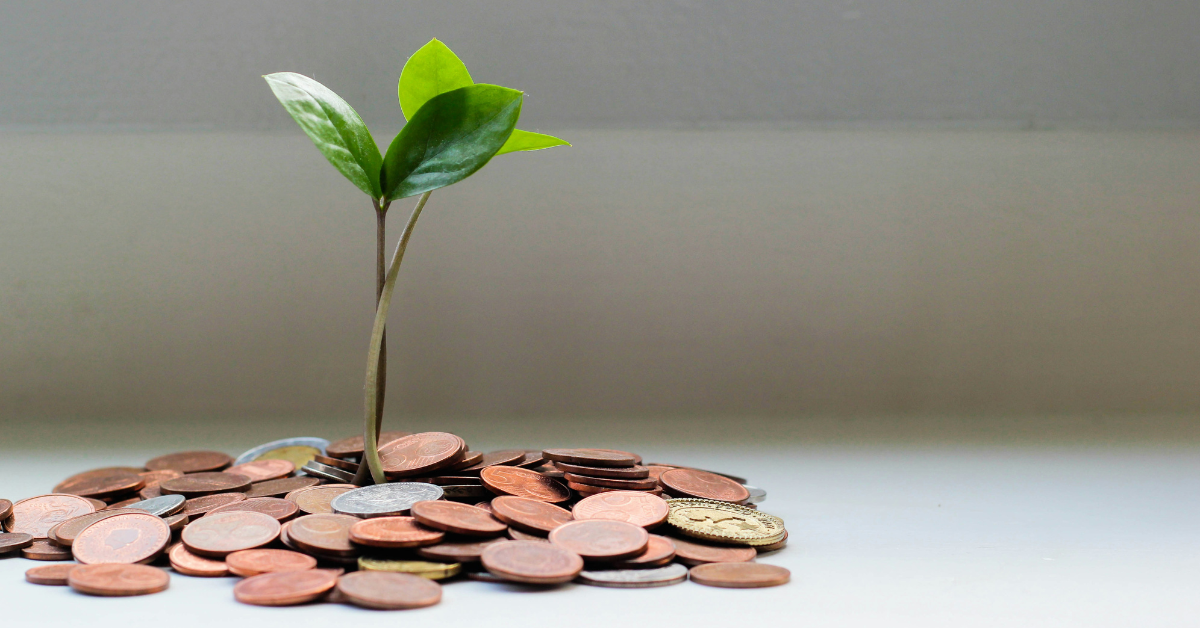
It’s been 8 years since I first started to make more eco-conscious decisions and purchases in my life. At first, I made the eco-friendly switches in order to help to reduce my waste, but as I made more and more, I gradually began to notice how much healthier my bank account was becoming. Oh, I know, I know, I can hear you telling me that eco products are far more expensive than disposable ones, and yes, that is true… To an extent. Let’s break down how I have saved money since living more sustainably and how you could do it too.
Choose Reusables
Ok, this is a fairly obvious place to start. As I mentioned above, disposables are often cheaper, but only in the short term. These single-use items are going to run out and when they do, you will return for more and more. When you make the switch to reusable options (whichever you opt for), you won’t need to keep going back to the shop for say your tampons, single-use nappies, clingfilm, wipes, etc. Because your reusables will last you for years to come, saving you money in the long run.
However, switching over to reusables isn’t something you can do quickly, you need to be in this for the long game. Take your time to work out which ones you will need, how much you will need to save up to purchase them, which will be beneficial to you/your lifestyle, which are worth the investment and what you’d like to start with to get you going. I actually have a blog here with 55 reusables you can consider trying, and lots of other blogs reviewing and providing information on popular products such as reusable nappies, period pants, beeswax wraps and so on. So, do have a little search through my site to help make your choices.
Switch to Eco-Friendly Products
Again, many eco-friendly products, such as shampoo bars, can seem much more expensive than your usual shampoo, BUT the majority of these will last you. Reputable, sustainable brands will not only use natural and clean ingredients, but their products will also be specifically designed to go a really long way. For example, we only use a tiny amount of our eco-friendly deodorant, and it lasts all day. We only add two pumps of our refillable toothpaste onto our brushes, and as long as we store our shampoo bars well, they can last us weeks and weeks, oh, and eco washing powder will literally say just add one tablespoon to a wash. By spending a little bit more upfront, you should see savings in the long run.
You May Also Like:
- How to Actively Reduce Your Household Waste
- 14 Easy Ways To Reduce Your Plastic Waste
- How to Save Money on Baby Wipes
- 3 Ways To Have A Plastic-Free Period
- Busting Myths: Are Period Pants Really More Expensive? Let’s Crunch the Numbers
- Are Beeswax Wraps Really Worth It?
- Your Simple Eco Home Checklist and Tips
Subscription Services
I love a subscription service. They make my life easier, reduce my to-do list, I never run out or have to continuously hit the shops, AND they save me money. You should find that nearly all services like this will reward the customer with something like 10% – 20% off, compared to if you purchased it each time you needed it and even though this may not sound like a lot, over time those savings can really add up. There are now so many eco-friendly products available on subscription, such as refillable toothpaste, skincare, sustainable dog food, deodorant and eco-friendly cleaning products, making it even easier to make those swaps and ensuring you stick to them.
Reduce Food Waste
Being more eco-conscious isn’t just about buying eco-friendly products, there are plenty of other ways to reduce your impact whilst improving your bank balance. For instance, meal planning. By taking time each week to plan your meals, portion sizes and carefully compiling a shopping list, you’ll be taking effective steps to ensure that you only buy what you need. It’s a win-win, you’ll save yourself time and money whilst preventing unnecessary waste. If you DO have any leftovers, make sure you cover and store these well (stasher bags, beeswax wraps, plate over a bowl, tea towel to cover) to be used as the next day’s lunch or dinner and remember to add vegetable peelings to your council’s food waste caddy or compost bin (if you have them).
Start Composting
And following on nicely from the above point – composting. I promise, it’s not as hard as you may think, and it will prevent waste from going into your normal bin, and the important bit for you, it will save you money if you have a garden. I’ve been composting for a number of years now, and it is something I always find really rewarding. Each time I empty my compost bin, I am absolutely amazed by the wonderful, rich compost I have created from garden and kitchen waste. I was a complete novice when I first bought my bin and I learnt all I needed from a book I purchased in a garden centre. I simply followed “the rules”, and I’ve never gone wrong. By placing your bin in a good location, adding a balanced mix of greens and browns and turning every now and then, you will quickly see results and be spending far less, if anything, on shop bought compost. I have more info on getting started with composting here.
Reduce Water and Energy Usage
This has to be one of the simplest ways of becoming more eco-conscious whilst saving your pennies – watch your water and energy usage. Don’t leave items on standby; this still uses energy and will add to your bill. Switch lights off when you leave a room, invest in solar or sensor lights for your home and garden, switch to LED light bulbs, don’t leave the water running when you brush your teeth, take a short shower over a bath, install a water butt and use this before you reach for the hose, use eco settings on your appliances, honestly the list could go on and on, it’s just about being aware of those bad habits and changing them. This blog on saving water and energy may come in handy. If you can afford it, also look into solar panels, boiler upgrades and/or air source heat pumps.
Shop Less, Shop Secondhand
When you begin to delve into the different areas of sustainability, you will probably quickly notice your mindset changing. With every shocking fact and figure, images and reports on consumerism, shopping less and choosing secondhand first will soon become your new norm. I never used to shop secondhand, I’ll be honest, it hadn’t actually occurred to me to try it out. If I needed something, I would always head to the well-known stores, but as soon as I educated myself on the impact of fast fashion, latest tech and working conditions in factories, I made the conscious decision to change. And of course, the most noticeable benefit of this for me were the low costs… Or no costs. I stopped shopping as and when I had the urge, there are no more “treats” to make myself feel better. I don’t go on shopping sprees or even see shopping centres as a happy place now. Instead, I absolutely adore wandering around charity shops and scrolling on Vinted for all of our needs. I think everybody could have a try at this and I know everybody would be pleasantly surprised by the savings.
Being a little more eco-conscious really doesn’t need to be tricky or complicated. I like to think of it as being a slight change that you build on that eventually makes your life simpler and saves you money. Have a go at a few of these, see how you get on, see what works and what doesn’t (don’t worry about the bits that don’t work for you, not all products work for everyone), and keep a close eye on your bank balance – I think you will definitely see a positive difference.

Pin for later:
Related Posts:
7 Air Purifying Plants That Will Help To Improve Your Home

Did you know that the air quality inside of your home can be just as bad as outside? Pollution can Read more
Talking To Childcare Settings About Cloth Nappies… And Getting Them On Board!

When it comes to the time to choose a childcare setting we all have certain areas that we want to Read more
How To Clean Your Washing Machine Naturally
It may surprise you that a washing machine needs to be cleaned and it may surprise you even more that Read more
Buying A New Electric Car: Vital Steps You Need To Take Before You Get The Keys

For anyone looking to reduce their personal carbon footprint, reviewing your travel situation is crucial. Transport is one of the Read more