
How to Maintain Good Oral Health Between Dentist Visits in Upminster
*Collaborative Post
Your oral health is shaped by the care you give your teeth every day, not only when you attend dental check-ups. Most people visit the dentist once or twice a year, which means there are long stretches of time where daily habits play the biggest role in keeping teeth and gums healthy.
Many common dental problems develop gradually. Tooth decay, gum disease and enamel wear often start without obvious symptoms. A consistent oral hygiene routine helps reduce the risk of these issues developing or worsening over time.
Brushing and cleaning between your teeth helps remove plaque, a film of bacteria that forms naturally throughout the day. When plaque is not removed, it hardens into tartar and increases the risk of decay and gum disease. Daily care makes a meaningful difference to your long-term dental health.
This guide explains how to look after your teeth at home, with practical advice to help you build habits that support a healthy smile between dental visits.
Why daily dental care matters as much as dentist appointments
Dental check-ups and hygiene appointments play an important role in maintaining oral health. They allow your dentist to clean your teeth thoroughly and identify concerns early. However, they do not replace the need for daily care at home.
Between visits to your dentist in Upminster, such as Church View Dental, plaque begins to build up again within hours of brushing. Bacteria in plaque feed on sugars from food and drink, producing acid that weakens enamel and irritates the gums.
Gum disease often begins with mild inflammation. Gums may appear red, feel tender or bleed during brushing. Without regular cleaning and professional support, inflammation can progress below the gumline, affecting the bone that supports the teeth.
Tooth decay also develops gradually. Small areas of enamel damage allow bacteria to move deeper into the tooth. If decay reaches the inner structure of the tooth, more involved treatment may be required.
Brushing and cleaning between your teeth every day helps disrupt plaque before it causes lasting damage, supporting healthy teeth and gums between professional appointments.
Essential brushing and flossing techniques for oral health
Brushing regularly is important, but technique also matters. Cleaning gently and thoroughly helps protect both teeth and gums.
The proper way to brush your teeth
Brush your teeth twice a day using fluoride toothpaste. For adults, a pea-sized amount is enough. Fluoride helps strengthen enamel and reduce the risk of tooth decay.
Hold your toothbrush at a slight angle towards the gums and use small, gentle circular motions. Clean all surfaces of every tooth, including the front, back and chewing surfaces. Brushing should take around two minutes.
Electric toothbrushes are helpful for many patients, particularly those who find it difficult to brush for long enough. Manual toothbrushes are also effective when used correctly. Choose a brush with a small head and soft or medium bristles.
Replace your toothbrush or brush head every two to three months, or sooner if the bristles become worn.
Avoid brushing too hard, as this can damage enamel and irritate the gums. After brushing, spit out excess toothpaste but avoid rinsing with water straight away, allowing fluoride to stay on the teeth for longer.
Cleaning between your teeth
Cleaning between your teeth once a day helps remove plaque from areas your toothbrush cannot reach.
Dental floss, interdental brushes or water flossers may be used, depending on the size of the spaces between your teeth and what feels comfortable for you.
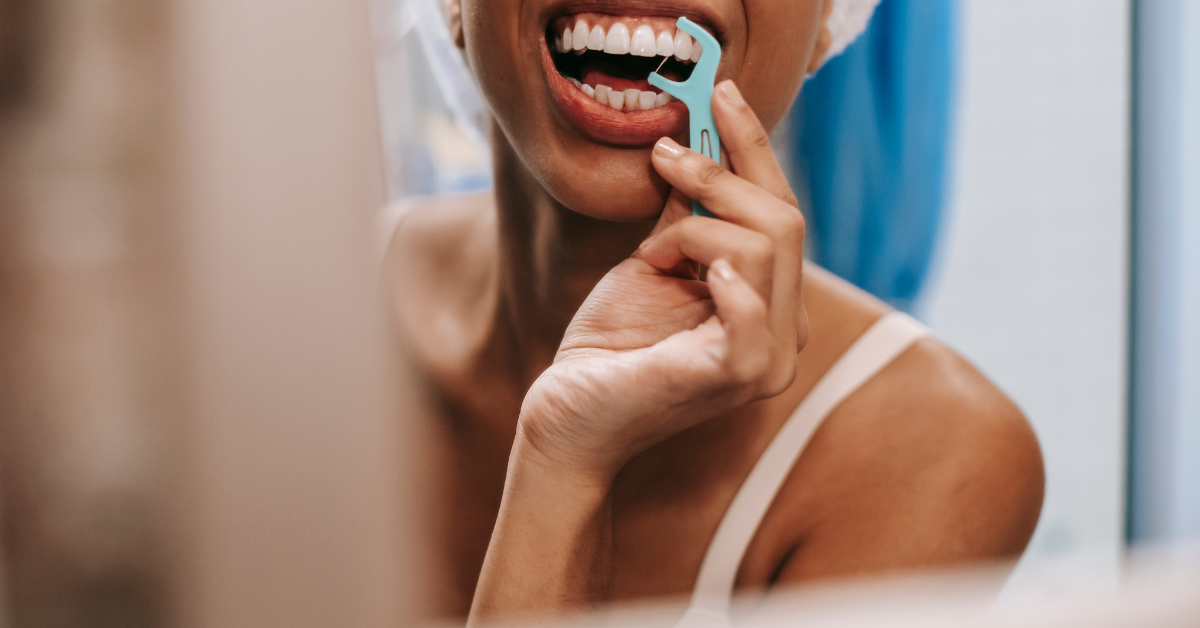
When using floss, guide it gently between the teeth, curve it around each tooth and move it up and down beneath the gumline. Take care not to force the floss or snap it against the gums.
Interdental brushes are useful for wider gaps. Choose the correct size for each space and avoid pushing the brush where it does not fit easily.
Building an effective oral hygiene routine
The most effective routine is one that fits into your daily life and feels manageable to maintain over time.
Morning dental care habits
Brushing after breakfast helps remove food particles and bacteria before they settle on the teeth during the day. If you brush before breakfast, wait around 30 minutes after eating acidic foods or drinks before brushing again, as enamel can be temporarily softened.
Evening oral health practices
Brushing before bed is particularly important. Saliva flow reduces during sleep, which allows bacteria to cause more damage overnight.
An NHS dentist will confirm the importance of evening brushing. Thorough cleaning before bedtime helps protect teeth and gums while you sleep and plays a key role in long-term oral health.
Preventative dental care between appointments
Small changes to everyday habits help protect teeth and gums and reduce the risk of dental problems developing.
Reducing the risk of tooth decay
Limiting sugary foods and drinks helps reduce acid attacks on the teeth. Where possible, keep sugary items to mealtimes rather than frequent snacking.
Drinking water after eating helps wash away food particles and dilute acid. Choosing water over fizzy drinks also helps protect enamel, as even sugar-free options can be acidic.
If brushing is not possible after meals, chewing sugar-free gum can help stimulate saliva, which supports the mouth’s natural protective processes.
Supporting healthy gums
Healthy gums are usually pink, firm and do not bleed during brushing or flossing. Bleeding, swelling or tenderness can be early signs of gum disease.
Brushing gently along the gumline and cleaning between the teeth daily helps reduce plaque build-up and supports gum health over time.
When to contact your dentist in Upminster between check-ups
If you experience ongoing pain, swelling, bleeding, loose teeth or damage to a tooth or filling, it is best to contact your dental practice rather than waiting for your next routine appointment.
Early assessment often allows problems to be managed more simply and comfortably.
How can Upminster residents maintain healthy teeth long-term?
Long-term oral health comes from a combination of daily care and regular professional support. Brushing twice a day with fluoride toothpaste, cleaning between your teeth, reducing sugar intake, drinking water and attending routine dental check-ups all contribute to keeping your smile healthy.
Professional care helps address existing concerns, while daily habits help prevent new problems from developing. Combine both approaches for healthy teeth that last a lifetime.
*This is a collaborative post. For further information please refer to my disclosure page.
Related Posts:
Essential Tips for Transforming Your Bathroom: A Guide to Stylish and Functional Renovations

Renovating a bathroom can breathe new life into your home, turning an often-overlooked room into a sanctuary of style and Read more
Should We Be Going Meat-Free?

*Contains ad link Should we be going meat-free? This is something I have been going back and forth with over Read more
A Writer’s Guide To Finding Inspiration Around The Home

*Collaborative Post If you’ve ever cursed your job as you frantically check your watch in backed up traffic, dreading the Read more
The Ultimate Guide to Finding a Money-Saving, Family-Friendly Used Car

When it comes to finding the perfect family car, you want a vehicle that offers safety, reliability, and practicality. Additionally, Read more