
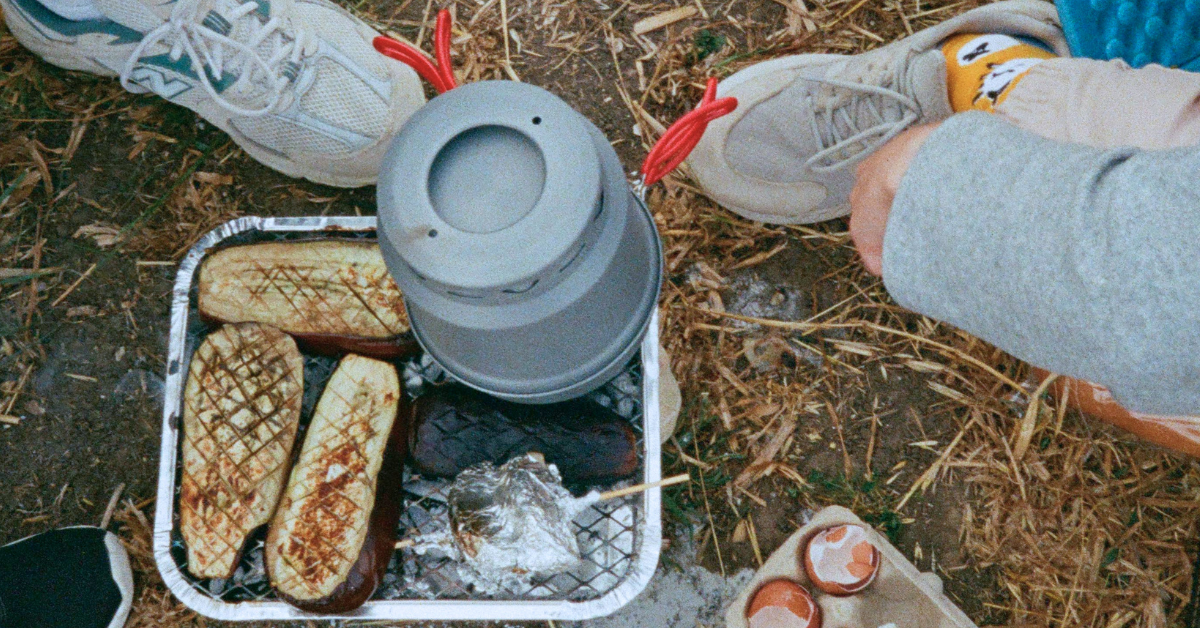
How to Plan Your Hiking Food for a Weekend Camping Trip
*Collaborative Post
A weekend camping trip brings a different kind of food planning challenge to a single day hike. Instead of packing for a few hours, you’re thinking in meals — breakfast, lunch, dinner, and all the snacks in between — across two or three days, with everything carried on your back the whole way. Get the planning right, and mealtimes become one of the highlights of the trip. Get it wrong, and you’re either running low on food by Sunday or lugging around far more weight than you needed.
This guide walks through how to plan your hiking food properly for a weekend away, from working out how much to bring, to building a simple meal-by-meal plan, to packing it all so it survives the journey.
Start With the Basics: What Does Your Trip Actually Involve?
Before you think about specific meals, it helps to answer a few questions:
- How many days and nights will you be out? This determines how many breakfasts, lunches and dinners you actually need to plan for.
- How far will you be walking each day, and over what terrain? Longer or hillier routes burn more energy and call for more substantial hiking food.
- Will you have a stove, or are you eating cold food only? This shapes what’s realistic to pack.
- What’s the weather likely to be? Warmer conditions mean being more careful with anything perishable.
Once you’ve got a clear picture of the trip itself, it’s much easier to plan food that actually fits it.
Working Out How Much Hiking Food to Pack
Food needs vary from person to person, but as a general rule, longer distances, tougher terrain and colder weather all increase how much you’ll need to eat. Rather than relying purely on three set meals a day, plan to snack regularly too — this keeps your energy more consistent than waiting until you’re already running low.
It’s always worth packing a bit extra. Weekend trips have a habit of running longer than expected, whether that’s due to weather, tiredness, or simply not wanting to rush the walk. A spare emergency snack for each day is a sensible habit to get into, and don’t forget to plan your water or hydration system alongside your food.
Planning Breakfasts
Breakfasts on a camping trip need to strike a balance between being quick to prepare — especially if you’re packing up camp — and substantial enough to fuel the morning’s walking. Good options include:
- Instant porridge sachets with dried fruit
- Granola with powdered milk
- Flapjacks or oat bars for a grab-and-go option
- Tea or coffee to go with it
All of these need minimal kit, usually just hot water or a splash of milk, which keeps mornings simple.
Planning Snacks
Snacks are what keep you going between meals, and they matter just as much on a weekend trip as on a single day hike. A good spread includes:
- Trail mix
- Nuts and seeds
- Dried fruit
- Cereal bars and energy bars
- Dark chocolate
- Jerky or other dried protein snacks
Plan roughly how many snacks you’ll want per day, then pack accordingly — it’s easy to underestimate how much grazing adds up over a weekend.
Planning Lunches
Lunch on the trail should be simple and require no real preparation. Some reliable options:
- Wraps or pittas filled with cheese, hummus or cured meats
- Crackers with cheese or pâté
- Pasta or couscous salad made the day before
- Bagels or flatbreads, which hold up better than soft bread over a couple of days
If you’re planning lunch for day two or three, think about what will actually survive that long in a rucksack — softer, more perishable fillings are best eaten on day one.
Planning Evening Meals
Dinner is usually the meal where you’ll have the most time, and possibly a stove or fire, so this is where a slightly more substantial hiking meal makes sense:
- Instant or quick-cook pasta with a sauce sachet or dried vegetables
- Couscous or rice dishes with added protein, such as tinned fish
- Dehydrated camping meals, which just need boiling water
- One-pot meals, which keep washing up to a minimum at the end of a long day
Planning your dinners in advance also means you’re not stuck deciding what to cook when you’re tired and just want to eat.
Building a Simple Meal-by-Meal Plan
Once you know your trip length and have your food categories sorted, it helps to map it out properly rather than guessing at the shops. A basic weekend plan might look like this:
Day 1
- Breakfast at home before setting off
- Mid-morning snack
- Lunch on the trail
- Afternoon snack
- Dinner at camp
Day 2
- Breakfast at camp
- Mid-morning snack
- Lunch on the trail
- Afternoon snack
- Dinner at camp (or journey home, depending on your route)
Emergency reserve: one extra high-energy snack per person, per day, kept aside and only used if needed.
Writing this out before you shop makes it far easier to buy exactly what you need, rather than over- or under-packing.
Best D of E Meals for a Duke of Edinburgh Expedition
Planning food for a weekend camping trip is very similar to planning D of E meals for a Duke of Edinburgh expedition, just with an even sharper focus on weight, since everything has to be carried the entire way. Good D of E meals typically include:
- Lightweight dehydrated meals, designed specifically for hiking and camping
- Instant pasta and noodles, quick to prepare and easy to bulk out with extras
- Couscous-based meals, compact and fast to cook
- Quick-cook rice dishes
- Oat-based breakfasts, such as porridge sachets
- High-energy snacks, including trail mix, cereal bars and dried fruit
- Hot drinks, useful for both hydration and morale
As with any weekend plan, balancing weight, nutrition and convenience is key — overpacking “just in case” adds up quickly over a multi-day expedition. It’s also worth testing your D of E meals at home first, so you know how long they take to prepare and whether they’ll actually keep you satisfied on the trail.
A sample day’s D of E meals might look like:
- Breakfast: Porridge sachet with dried fruit and a hot drink
- Packed lunch: Wrap with cheese or cured meat, crackers, and a handful of nuts
- Evening meal: Dehydrated meal or instant pasta with added protein
- Snacks throughout the day: Cereal bars, trail mix and dried fruit
Packing Your Weekend Hiking Food
Once your plan is in place, how you pack matters just as much:
- Use resealable bags or lightweight containers, and consider portioning meals by day
- Pack food in the order you’ll eat it, so day one’s meals are easiest to reach
- Keep crushable items, like crackers or bread, near the top of your bag
- Store rubbish and packaging separately as you go, ready to take home
- Keep perishables for early in the trip, and save the more stable, non-perishable items for later days
Final Thoughts
Planning hiking food for a weekend camping trip is really just about thinking ahead: work out how many meals you actually need, choose food that’s lightweight and easy to prepare, and build in a bit of buffer for the unexpected. A simple day-by-day plan takes the guesswork out of shopping and packing, and means you’ll actually enjoy your meals rather than making do with whatever’s left in your bag by Sunday.
And if you’re planning D of E meals for a Duke of Edinburgh expedition, the same approach applies — just with a little more discipline around weight. Plan it properly, test it beforehand, and your food will do exactly what it’s meant to: keep you going, all weekend long.
*This is a collaborative post. For further information please refer to my disclosure page.
Related Posts:
5 Essential Gardening Tips for Hobart Homeowners

Gardening in Hobart presents both unique opportunities and rewarding challenges, shaped by Tasmania’s cool climate, fertile soils, and distinct seasonal Read more
Car Leasing: The Best Kept Secret of Frugality

When it comes to car ownership, most people think of two options: buying a vehicle outright or financing it through Read more
Untangling the Knot: Essential Financial Considerations for a Smooth Transition through Divorce

Divorce often feels like standing at the cliff's edge, unsure of the next step. The emotional whirlwind is daunting enough, Read more
This Is How You Can Create the Coziest Home This Winter
Have the winter winds already begun to blow? If so, you might wonder how folks in even colder climates survive Read more