
No-Needle Tweakments: A Friendly Guide to Professional Skin Peels
*Collaborative Post
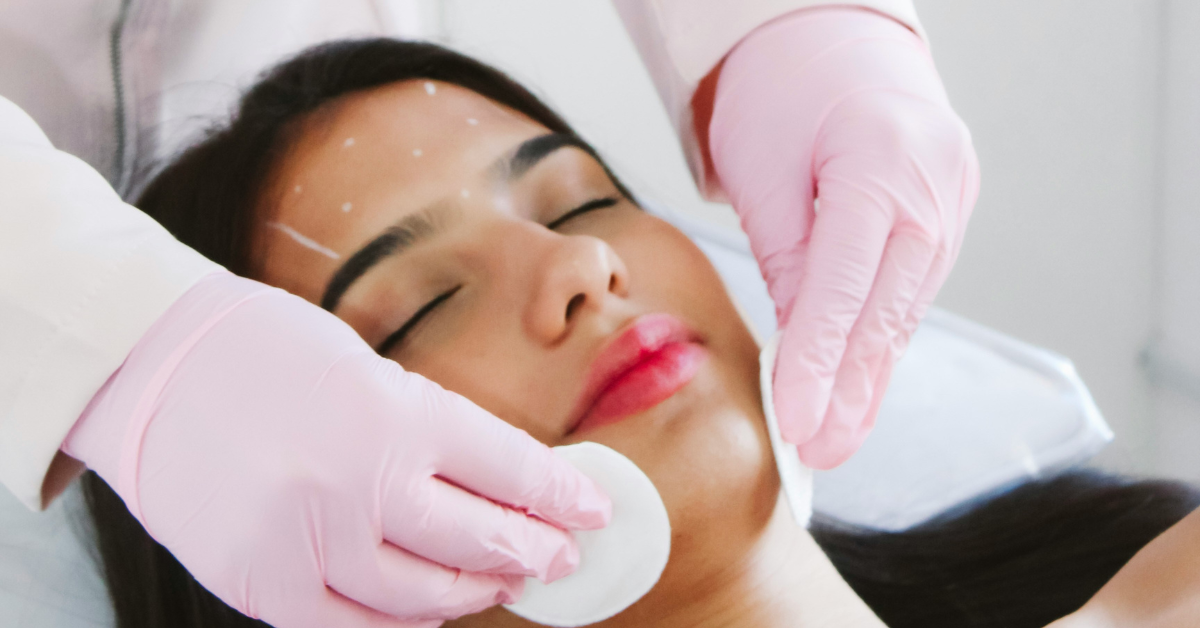
Not everyone who wants fresher, brighter skin is ready for injections, and that is completely fine. Professional peels have quietly become one of the most popular “gateway” tweakments in UK clinics, and newer formulations such as BioRePeel have helped change the old image of peels as harsh treatments that leave you hiding indoors for a week. If you have been curious about what a clinic peel actually involves, this guide walks through the basics, the options and the questions worth asking before you book.
What Is a Professional Peel?
A chemical peel uses a carefully chosen acid solution to remove the outermost layer of dead skin cells, encouraging fresher skin to come through. The American Academy of Dermatology explains that peels range from light (superficial) to deep, and that the depth largely determines both the results and the recovery time.
At-home acid toners and masks work on a similar principle, but professional peels use stronger formulations that should only be applied by trained practitioners who can assess your skin first.
Light, Medium or Deep: How They Compare
| Peel type | What it targets | Typical downtime |
|---|---|---|
| Light (superficial) | Dullness, uneven texture, mild breakouts | Minimal, often none |
| Medium | Pigmentation, fine lines, sun damage | Several days of redness and flaking |
| Deep | More significant lines and damage | Longer recovery, medical setting only |
Most people starting out are offered a light peel, often as a course of several sessions spaced a few weeks apart.
Why “No-Downtime” Peels Are Having a Moment
The biggest barrier to peels has always been the recovery. Very few of us can take a week off work because our face is peeling. That is why newer peel systems have caught the attention of both clinics and clients. BioRePeel, for example, is positioned by its manufacturer as a peel designed to deliver visible refreshment with little or no social downtime, which makes it easier to fit into a busy life.
What clients tend to like about this style of treatment:
- It fits into a lunch break. Many light peels take well under an hour.
- No needles. A good first step for anyone nervous about injectables.
- Works alongside your routine. Your practitioner can pair it with the right at-home skincare.
- Builds gradually. A course of treatments tends to give a more even, natural glow than one intense session.
Is It Right for You?
Peels are not suitable for everyone. Active skin infections, certain medications, recent sun exposure, pregnancy and some skin conditions can all be reasons to wait or choose a different treatment. Darker skin tones can also be more prone to pigmentation changes with some peels, which is why a proper consultation matters so much. A responsible practitioner will ask about your medical history, look closely at your skin and may suggest a patch test before going ahead.
Choosing a Safe Clinic in the UK
This is the part that deserves the most attention. The NHS guidance on cosmetic procedures encourages people to research practitioners carefully, check their qualifications and make sure they feel comfortable before agreeing to any treatment. The government has also been consulting on a licensing scheme for non-surgical cosmetic procedures in England, which shows how seriously the safety of tweakments is now being taken.
Before you book, it is worth checking:
- Is the practitioner medically trained or properly qualified for the treatment offered?
- Do they offer a face-to-face consultation, not just a booking form?
- Are they happy to tell you exactly which product they use and where it comes from?
- Do they give clear aftercare advice and a way to contact them if you have concerns?
Reputable clinics buy their professional products through authorised channels that only supply qualified practitioners. If a clinic cannot, or will not, tell you what is going on your skin, take that as your cue to look elsewhere.
Aftercare: The Bit Everyone Forgets
Whatever peel you choose, sun protection is non-negotiable afterwards. Freshly treated skin is more sensitive, so a broad-spectrum SPF every day is essential, even when it is cloudy. Keep your routine gentle for a few days, avoid picking at any flaking and hold off on strong actives such as retinoids until your practitioner says otherwise.
The Takeaway
Professional peels are one of the easiest ways to dip a toe into the world of tweakments. With a qualified practitioner, the right formulation for your skin and sensible aftercare, you can enjoy brighter, smoother skin without needles and without disappearing from your social calendar. Start with a consultation, ask plenty of questions and let your skin, not the latest trend, guide the plan.
*This is a collaborative post. For further information please refer to my disclosure page.
Related Posts:
Sleep Deprivation Is A Bitch!

You may have noticed that I have moaned about being tired quite a lot in the last year, yeah? Well, Read more
Untangling the Knot: Essential Financial Considerations for a Smooth Transition through Divorce

Divorce often feels like standing at the cliff's edge, unsure of the next step. The emotional whirlwind is daunting enough, Read more
Embracing Fresh Trends: Stunning Style Ideas to Try This Year

As the calendar flips to a new year, it's the perfect time to refresh your wardrobe with some gorgeous style Read more
Simba Single Mattress Review

*Ad- PR sample It had come to that time when we had to think about saying goodbye to the cot Read more