Orange Blossoms, Grand Plazas, and Andalusian Light
*Collaborative Post
Andalusia announces itself through the senses rather than the skyline. Scent arrives before sight. Sound carries farther than expected. Light behaves like a material in its own right, settling on stone and staying there longer than it should. The region doesn’t rush to explain these qualities; it lets them repeat until they become familiar.
Moving through southern Spain reveals a culture shaped by openness — courtyards instead of corridors, plazas instead of interiors, evenings that stretch outward rather than conclude. Andalusian life unfolds where air can circulate, where time loosens just enough for conversation to take precedence over schedule.

A City That Breathes in Seville
Seville doesn’t compress experience. It disperses it. Streets widen into squares without warning. Doors open onto shaded patios that feel private without being closed. The city seems designed to keep people outside, moving gently between sun and shade.
Orange trees line streets not as ornament, but as atmosphere. Their blossoms drift through neighbourhoods in spring, softening heat and pace at once. Even familiar routes feel altered by scent, as if the city is quietly editing itself each day.
For many travellers drawn to Seville tours, the appeal isn’t a single landmark but this accumulated ease — the sense that life here prefers circulation over enclosure.

Light as Architecture
Andalusian light doesn’t simply illuminate buildings; it reshapes them. Whitewashed walls reflect rather than absorb. Shadows become deliberate, carved into façades and courtyards.
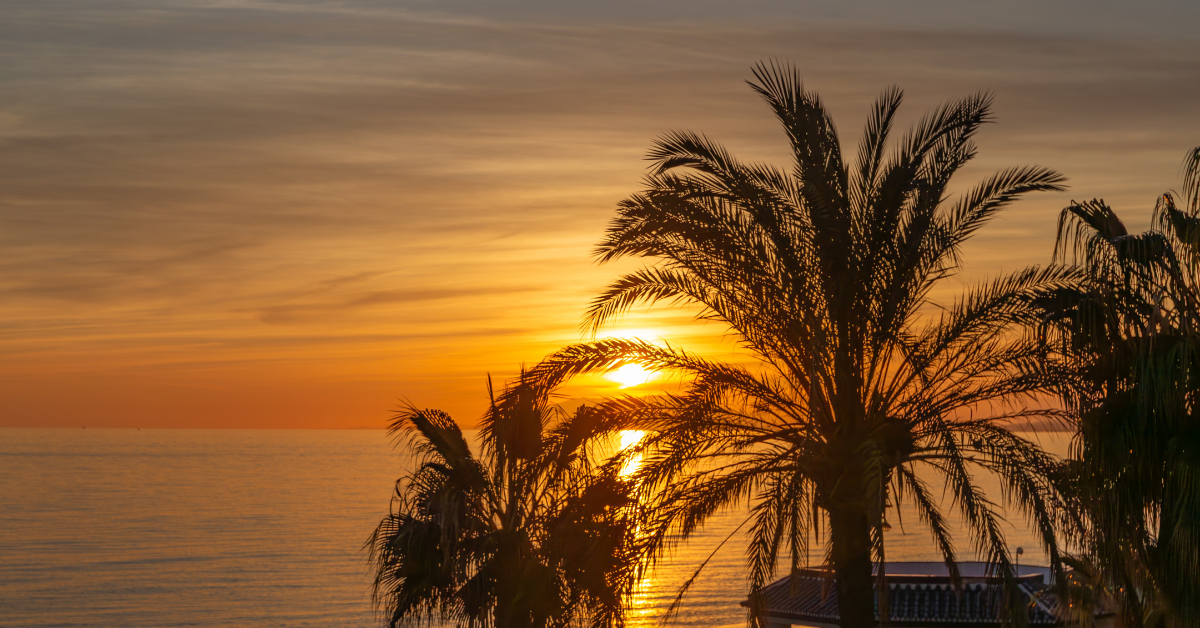
In Seville, light slows movement. Midday sharpens edges. Late afternoon softens everything. Evenings glow without glare. The city’s rhythms align with these shifts, adjusting naturally rather than resisting them.
This responsiveness gives the city its calm. Nothing competes with the light. Everything adjusts to it.
Movement That Doesn’t Interrupt
Travel into Andalusia often feels less like an arrival and more like a recalibration. The journey south allows attention to settle before the landscape opens fully.
Taking the Madrid to Seville train creates a gradual transition rather than a sharp contrast. Density thins. Colour warms. The pace of observation changes before the destination does. By the time Seville appears, the shift already feels complete.
This continuity matters. It allows the city to be received rather than confronted.
Plazas That Hold Time
Seville’s plazas operate as extensions of daily life rather than destinations. They absorb activity without amplifying it. Children move freely. Conversations overlap. Silence arrives without being noticed.
These spaces don’t demand purpose. Sitting is enough. Passing through is enough. Over time, the repetition of use becomes the point. Plazas here feel lived-in, not curated.
What makes them enduring is not scale, but generosity — the way they allow time to expand without instruction.
Andalusian Heritage Without Display
History in Seville is not arranged for viewing. It remains functional, woven into daily patterns. Buildings adapt. Old forms remain useful. Nothing feels isolated behind explanation.
This continuity prevents heritage from becoming distant. The past stays present because it continues to serve. Rituals persist because they fit the climate and the culture, not because they’re preserved deliberately.
The city’s confidence comes from this ease with inheritance.
Southward Calm Beyond the Capital
Leaving Seville introduces a different tone of openness. Towns shrink. Horizons widen. White villages appear briefly, then recede again. Life continues outward rather than upward.
Here, architecture responds directly to heat and light. Walls thicken. Windows narrow. Courtyards deepen. Every decision feels practical before it feels beautiful.
This practicality gives Andalusia its coherence. Beauty emerges as a by-product of adaptation.
Sound, Shade, and Shared Space
Andalusian cities carry sound differently. Stone reflects conversation. Music drifts rather than projects. Silence is not absence, but pause.
Shade becomes social infrastructure. People gather where it falls naturally. Streets without shade empty; shaded corners fill. Movement follows comfort rather than design.
These habits shape the city more powerfully than any plan could.
When Time Softens Its Edges
What visitors often notice last is how gently time behaves here. Days don’t feel segmented. Meals stretch. Evenings resist closure. There’s a sense that nothing urgent is being missed.
This softness doesn’t imply inactivity. Life remains animated — just unhurried. Priorities shift from completion to presence.
Andalusian culture protects this balance instinctively.
Why Andalusia Feels Open
Orange blossoms, grand plazas, and light are not symbols here. They are systems — ways of organising space, movement, and attention. Together, they create an environment that invites participation rather than observation.
Seville exemplifies this openness, but it extends throughout the region. The landscape encourages outward living. The culture rewards it.
Andalusia doesn’t ask to be understood quickly. It allows familiarity to build through repetition, scent, shade, and light.
A Region That Stays With You
What lingers after leaving Andalusia is rarely a single image. It’s a feeling — of air moving through space, of time stretching without tension, of cities designed for people rather than schedules.
Orange blossoms fade. Plazas empty. Light shifts. And yet the rhythm remains, carried forward quietly.
In Andalusia, beauty doesn’t announce itself. It circulates — patiently, persistently — until it becomes part of how you move through the world.
*This is a collaborative post. For further information please refer to my disclosure page.
Related Posts:
3 Places to Truly Appreciate the Beauty of Nature

*Collaborative Post Are you a nature lover and would like to visit a place where you can hike, explore and Read more
7 Kid-Friendly Things to Do in Crete on a Budget
Crete is one of Greece’s most popular destinations for families—and, for more than a reason! Of course, it is easy Read more
How to Travel on a Budget

Travel is the only thing you can buy that makes you richer.” It’s an old quote but it’s a good Read more
Taking a Dog To The Lake District
*Affiliate Links The Lake District has always been on my "to see" list and for many reasons (mostly time and Read more