
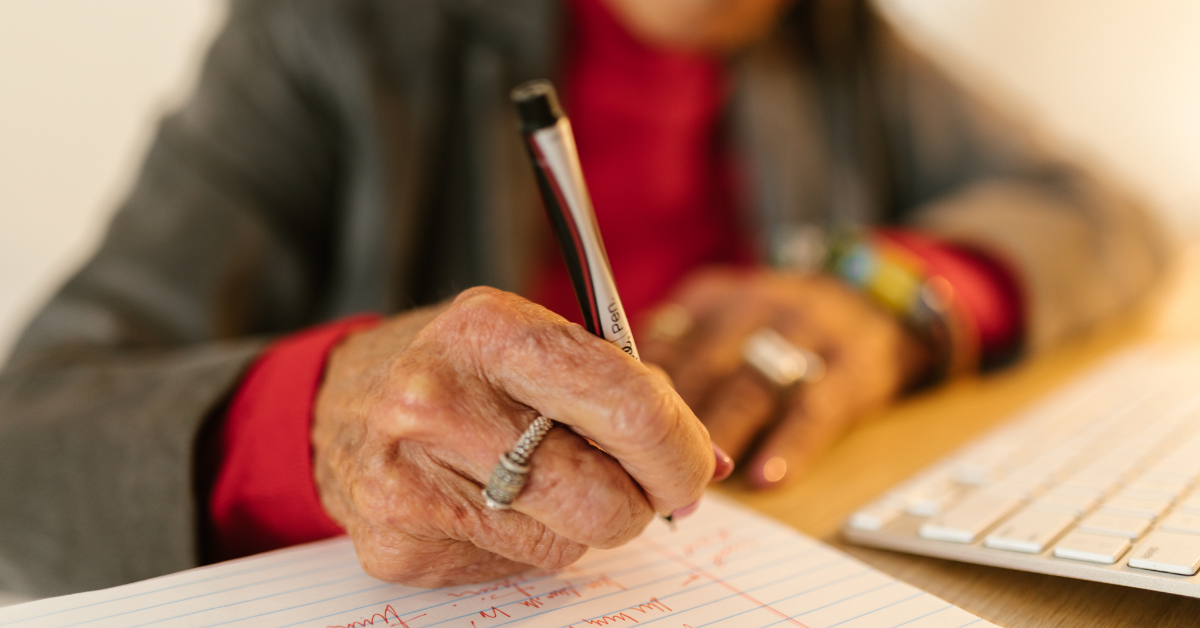
Safety Considerations for Seniors Receiving Home Care
*Collaborative Post
As we age, many of us would rather remain at home, in our own environment. While home care enables independence, safety must be addressed with consideration and planning. Identifying possible threats and then implementing measures can make the home a safe space for those receiving assistance.
Understanding Common Hazards
There are health hazards for seniors in almost every household situation. Some home features, like slippery bathroom floors and cluttered hallways, as well as dimly lit rooms, can raise the risk of falling or injuring oneself. Other dangers may include medication mismanagement, accidents, and electrical devices left unattended. Knowing these risks lets senior home care professionals prepare for and address them before they cause harm.
Assessing the Home Environment
This requires a comprehensive evaluation of each residence for safety. Look out for tripping hazards such as loose rugs, exposed cords, and unsecured furniture. Keep all rooms bright, especially pathways between high-traffic areas. Fit handrails and grab bars in bathrooms and staircases for added support and stability.
Fall Prevention Strategies
People receiving care at home are particularly concerned about falls. Ensure high-risk items are stored away. Encourage the use of non-slip mats in bathrooms and kitchens, and let people know they should be wearing some supportive shoes inside. Keep mobility aids, such as canes or walkers, in proper working order.
Safe Medication Management
As we grow older, there are situations where medication routines can be complicated. For all prescription bottles, label them clearly or organize them in a pill dispenser that has sections for each day. Use a clock or alarm to remind people when it is time to take medications. View medications collaboratively with healthcare professionals to guard against dangerous interactions, and have an up-to-date written list of current prescriptions always available.
Emergency Preparedness
To be prepared for emergencies, check the emergency contact numbers for each phone. Assemble fresh batteries in smoke detectors and carbon monoxide alarms and test if they work. Develop a fire or other emergency evacuation plan and practice it periodically to easily call for help if you fall or have a health problem.
Supportive Technology Solutions
Modern architecture and technology can significantly enhance home security for senior citizens. Features like video doorbells allow individuals to see who is at the door without needing to open it, providing peace of mind. Additionally, the installation of motion-sensor lights makes it easy to illuminate dark hallways, improving safety. Smart home systems enable users to control lights, locks, and other devices from a single interface, streamlining daily tasks and making life easier, safer, and more efficient.
Hygiene and Infection Control
The approach to hygiene and infection control for someone with limited mobility or a chronic health condition is different, and cleanliness must be tailored to their needs. Frequent handwashing and the use of gloves by caregivers, when necessary, are important for hygiene and infection control. Touch points, such as door handles, remote controls, and countertops, should be cleaned frequently. Continue practicing self-care, like showering, washing your teeth, and wearing fresh clothes.
Nutritional Considerations
Proper nutrition directly influences health and safety. Serve meals that are rich in fruits, vegetables, and protein. Exposing the elderly to adequate water to stay hydrated during the day is important. Watch for any signs of having trouble chewing or swallowing, which can result in choking. Make sure to store the food properly and check the expiry of the food products regularly to avoid food poisoning.
Clear Communication
Seniors, caregivers, and healthcare providers also need to communicate openly about safety. Communicate any updates regarding health, medication, or routine right away. Utilize written notes, calendars, or reminder boards as a source of informing everyone about their appointments, as well as the activities for the day. Have them ask questions and be actively involved with the decisions in their care.
Respecting Independence
The measures that ensure security should assist the people getting home care, not prohibit their independence. Include people in decisions about their homes and way of life. Provide choices wherever feasible to support autonomy and dignity. Customize safety solutions in a way that suits you the best, while respecting your preferences and physical capabilities.
Conclusion
Maintaining the safety of older adults receiving home assistance requires ongoing attention and adaptability. To bring out the best in the elderly, caregivers should identify risks, develop practical solutions, and, most importantly, uphold their independence. This helps ensure that our seniors can stay in their own homes, where they feel comfortable and secure, as long as possible.
*This is a collaborative post. For further information please refer to my disclosure page.
Related Posts:
World Mental Health Awareness Day

Throughout our lives, I am pretty sure that at some point each of us will find moments where we feel Read more
Home Security: Essential Components and How to Properly Configure Your Security System
Safeguarding your home has become more critical than ever. A comprehensive home security system provides peace of mind, protects your Read more
Every Style Tip You Need To Design Your House

Having the stylish home of your dreams can seem unachievable, especially if your plans are bigger than your budget. However, Read more
Becoming A Teacher – Why It Is Important Now More Than Ever

Teachers shape lives and they can turn even the shyest and quietest of children into confident young adults. The importance Read more