What Should You Do With Garden Clippings?
*Collaborative Post
If you have a garden, keeping it well-kept is a wonderful way to contribute to environmental wellness and encourage diversity in your area. The more shrubs you can add to your outdoor spaces, the more likely you are to attract creatures that can live in harmony in the ecosystem.
Of course, tending to your garden generates clippings, and somehow you need to dispose of them. But what should you do? This post takes a look. We explore your options and how you can create a circular economy in your garden to protect the planet.
Put Clippings On The Compost
If you have a small number of clippings, you could try putting them in the compost. Adding them at regular intervals can help keep them fed and supply the worms and bacteria with new material to munch on.
It takes several months for compost to turn into soil, so you’ll want to keep an eye on it. However, after a long wait, new soil will eventually emerge from the bottom of the container that you can use on your shrubs and beds.
Use It For Mulch
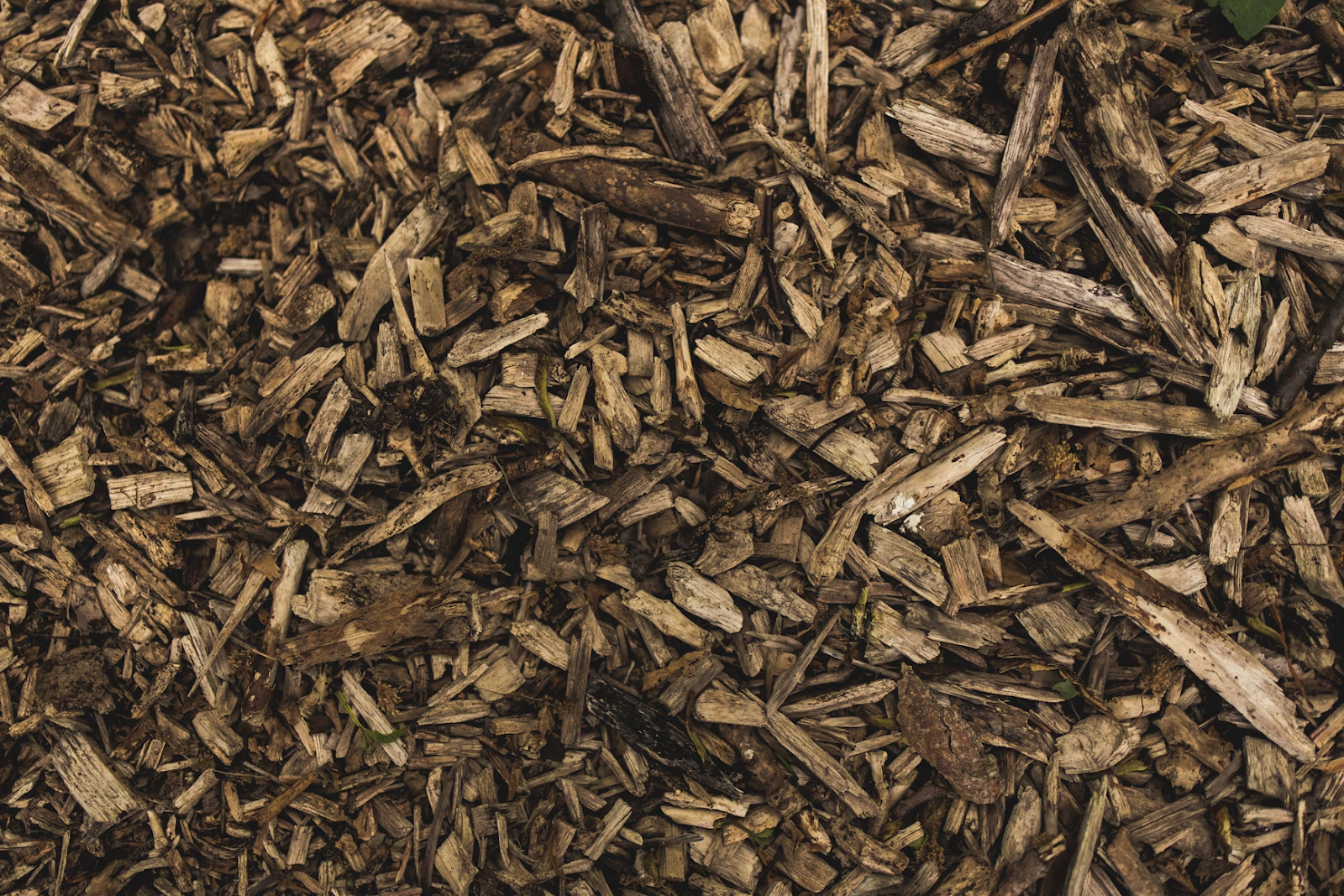
Putting down gravel and other forms of aggregate isn’t always the best option for the environment. Therefore, many eco-conscious gardeners use clippings as mulch. Laying this material helps to suppress weeds while supporting the growth of existing trees, making for a more attractive garden area.
Mulch is also helpful if you want to regulate soil temperature in the winter. It acts as a barrier, preventing the cold from getting to it, and keeping delicate roots and bulbs safe.
Use Clippings For Wildlife Habitats
Using clippings for wildlife habitats is another attractive option. Here, you can reuse old materials to provide a home for birds or insects.
Try piling up wood and other debris in a corner and see if it attracts any creatures. You can also construct an insect hotel by hollowing out pieces of wood and binding them together, protecting them from predators.
Remove Diseased Plants
At the same time, you’ll also want to be careful and ensure you remove any diseased plants. Not getting rid of them could cause infection to spread to other shrubs and trees, preventing your garden from thriving the way you’d like.
Using skips that can dispose of these clippings properly is often helpful. Avoiding contamination with other wildlife is critical.
You can also burn them or heat them to destroy the fungi and bacteria, though this will require burning wood.
Use Local Recycling
Many local recycling centres will take garden clippings and turn them into compost. Most run facilities to reuse old bits of wood or grass clippings, mixing them together in giant containers where bacteria break them down into their component parts.
Remove Weeds
Finally, you’ll want to be careful with weed clippings. Unwanted plants can sometimes harbour seeds that then make their way into the compost and recirculate in your garden when you use the soil.
To prevent this, keep weeds separately or dispose of them in another location.
*This is a collaborative post. For further information please refer to my disclosure page.
Related Posts:
Gold Candles: Decorative and Practical Uses
Decorating a space with candles instantly adds warmth, ambiance, and a touch of elegance. Among the wide variety of candle Read more
How To Create Your Own Fitness Plan

Are you trying to find a fitness routine that works for you? Maybe you have trouble sticking to a program Read more
How to Choose the Perfect Halo Hair Extensions for Your Hair Type

Halo hair extensions give instant length and volume without glue, clips, or salon visits. They rest on the head with Read more
Tell-Tale Signs that it is Time for you to Move Home

*Collaborative Post Making the decision to move house can be a tough one. At times you may feel as though Read more