
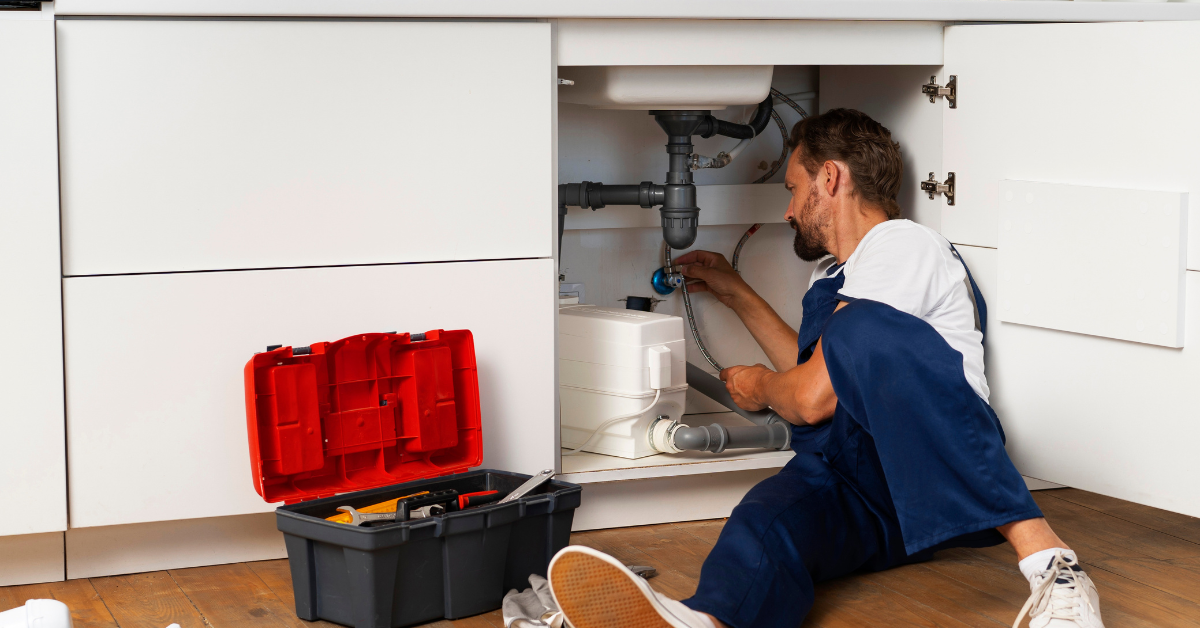
When Plumbing Problems Can’t Wait: 8 Situations That May Require a 24-Hour Plumber in Sydney
*Collaborative Post
Introduction
Plumbing problems rarely happen at convenient times. A pipe might burst in the middle of the night, a toilet could overflow during a family gathering, or a commercial kitchen drain might become blocked just before the morning rush. For Sydney homeowners, tenants, property managers, and business owners, these unexpected issues can create stress and potentially lead to expensive damage.
While some plumbing faults can wait until regular business hours, others need immediate attention. A 24-hour plumber in Sydney provides access to plumbing assistance beyond the usual working day, helping property owners respond to urgent leaks, drainage problems, and other unexpected failures.
Understanding which situations require urgent attention, what to do before help arrives, and how to prepare for plumbing emergencies can help you make better decisions when something goes wrong.
1. Burst Pipes That Can Cause Extensive Water Damage
Burst pipes are among the most serious plumbing emergencies. A damaged water pipe can release a substantial amount of water in a short period, affecting flooring, plasterboard, electrical installations, furniture, and personal belongings.
In apartment buildings and multi-storey properties, leaks may also spread to neighbouring units, creating additional repair costs and disputes.
Warning signs of a burst pipe
- Water suddenly appearing on floors or driveways.
- Damp patches developing on ceilings or walls.
- A noticeable drop in water pressure.
- Water flowing from exposed pipework.
- Unexplained sounds of running water.
What to do before the plumber arrives
If it is safe, turn off the main water supply to stop or reduce the flow. Move valuables away from the affected area and avoid contact with wet electrical equipment. If water is near electrical installations, keep clear and seek appropriate emergency assistance.
A 24-hour plumber can investigate the source of the leak, repair or isolate the damaged pipe, and advise whether further inspections are necessary.
2. Blocked Drains That Cause Wastewater to Back Up
Blocked drains are common in residential and commercial properties throughout Sydney. Kitchen sinks can become obstructed by grease and food waste, while bathroom drains often collect hair, soap residue, and other debris.
Some blockages develop gradually, but others can cause wastewater to back up suddenly, making the affected area unusable.
When does a blocked drain become an emergency?
A slow-draining sink may not require immediate after-hours assistance. However, the situation becomes more urgent when multiple fixtures stop draining, sewage enters the property, or water begins overflowing from floor drains.
Stop using the affected fixtures and avoid flushing toilets repeatedly. If wastewater is entering living areas, keep people and pets away from the contaminated area.
A qualified plumber can assess the drainage system, locate the blockage, and use suitable equipment to clear it safely.
3. Overflowing Toilets and Bathroom Plumbing Failures
An overflowing toilet can quickly create an unhygienic environment, particularly in properties with only one bathroom. In commercial settings, toilet failures may also affect customers, employees, and daily operations.
The cause may be a blocked toilet, a faulty cistern component, or a more serious drainage problem.
Immediate steps to take
If the toilet is overflowing, stop flushing and turn off its water supply using the isolation valve if it is accessible and safe to operate. Keep children and pets away from any wastewater.
Avoid using chemical drain cleaners or repeatedly attempting to force the blockage through. These approaches may worsen the problem or expose you to hazardous splashes.
If the toilet cannot be used safely or wastewater is spreading, an emergency plumber can identify the cause and restore the plumbing system to working order.
4. Hot Water System Breakdowns
Hot water is essential for bathing, cleaning, food preparation, and many business activities. A sudden failure can be particularly inconvenient when it occurs late at night or early in the morning.
However, a lack of hot water does not always mean an emergency call-out is necessary.
Problems that require prompt attention
A leaking storage tank, significant water discharge, or signs of damage around a hot water unit may require urgent professional assessment. By contrast, a system that has simply stopped heating water without leaking or presenting another hazard may be able to wait until normal business hours.
Never attempt to dismantle a gas or electrical hot water system yourself. If you smell gas, leave the area and contact the appropriate emergency service or gas provider from a safe location.
An appropriately licensed professional can determine whether the system needs a repair, replacement component, or more extensive work.
5. Gas Plumbing Concerns and Immediate Safety Risks
Some plumbing emergencies involve gas installations rather than water leaks. Gas-related faults must be taken seriously because they can create fire, explosion, or poisoning risks.
Possible warning signs include a gas smell, a damaged gas connection, or unusual operation of a gas appliance.
What should you do?
If you suspect a gas leak, do not operate electrical switches, light flames, or attempt to locate the leak yourself. Leave the affected area, warn others if it is safe to do so, and contact the appropriate emergency service or gas emergency provider from a safe location.
Do not re-enter the area until it has been declared safe.
Any necessary gas plumbing work should be carried out by a suitably licensed gasfitter. Not every general plumbing professional is authorised to perform all types of gas work, so confirming the relevant qualifications is essential.
6. Sewer Leaks and Contaminated Water
Sewer problems can affect both property conditions and public health. A damaged sewer pipe or severe blockage may cause wastewater to enter bathrooms, yards, garages, or other indoor spaces.
Apart from unpleasant odours, sewage can contain harmful microorganisms and should be handled with care.
Signs of a sewer emergency
- Persistent sewage smells indoors or outdoors.
- Wastewater backing up through toilets or floor drains.
- Several plumbing fixtures becoming blocked at once.
- Wet areas appearing around underground sewer lines.
Avoid direct contact with contaminated water and do not use affected fixtures until the issue has been assessed. Professional assistance may involve clearing the blockage, inspecting the sewer line, or repairing damaged pipework.
Prompt action can help prevent contamination from spreading and reduce the amount of cleaning and restoration required.
7. Emergency Plumbing for Sydney Businesses
Plumbing problems can disrupt businesses as well as households. Restaurants, cafés, retail stores, offices, and accommodation providers all rely on functioning water and drainage systems.
A burst pipe can damage stock and equipment, while a blocked commercial drain can create hygiene problems or prevent certain operations from continuing.
How businesses can minimise disruption
Business owners and property managers should establish a clear emergency procedure that includes the location of shut-off valves, contact details for relevant tradespeople, and steps for protecting equipment and stock.
When a plumbing failure occurs, isolate the affected area if possible, stop using damaged fixtures, and arrange an assessment. Businesses that depend heavily on water supply or drainage may benefit from planned maintenance to identify potential problems before they interrupt trading.
8. Leaking Pipes Hidden Behind Walls or Under Floors
Not all plumbing emergencies involve visible water. Some of the most damaging leaks develop gradually behind walls, under flooring, or inside ceiling cavities.
Because these leaks may remain hidden, the first signs can be subtle.
What to look for
- Unexplained increases in water bills.
- Persistent dampness or musty smells.
- Peeling paint or bubbling plaster.
- Warped flooring or swollen cabinetry.
- Mould appearing in areas that are normally dry.
If you suspect a concealed leak, arrange an inspection promptly, especially if the affected area is growing or structural materials are becoming wet. A plumber may use appropriate leak-detection methods to narrow down the source and reduce unnecessary damage during repairs.
How to Choose a 24-Hour Plumber in Sydney
When an urgent plumbing problem occurs, it is important to find a professional who can respond appropriately and explain the work required.
Consider the following factors before arranging a call-out.
1. Confirm after-hours availability
Not every plumbing business operates around the clock. Ask whether emergency attendance is available at the time you need it and whether the plumber can service your part of Sydney.
2. Check licensing and relevant experience
Plumbing work should be performed by a professional with the appropriate NSW licence or authority for the specific job. Gas-related work requires the relevant gasfitting qualifications and authorisation.
3. Ask about call-out fees and pricing
After-hours work may cost more than a standard appointment. Confirm the call-out fee, applicable weekend or public holiday rates, and how the plumber will explain additional repair costs before proceeding.
4. Explain the problem clearly
Describe the location of the issue, whether water is actively flowing, which fixtures are affected, and whether you have already shut off the supply. Clear information can help the plumber understand the urgency and prepare for the visit.
5. Look for clear communication
A reliable professional should explain the likely cause, discuss available options, and outline any temporary measures or follow-up repairs that may be needed.
How to Decide Whether You Need Emergency Plumbing
Not every plumbing fault needs to be addressed in the middle of the night. The decision depends on the severity of the problem, the risk of damage, and whether the property can be used safely.
Consider seeking immediate assistance when:
- Water is flowing uncontrollably and cannot be isolated.
- Sewage is backing up into the property.
- A leak is damaging ceilings, walls, flooring, or nearby units.
- A plumbing failure creates a serious hygiene or safety concern.
- A gas leak or another immediate hazard is suspected.
A dripping tap, minor leak that has been safely isolated, or hot water system that has stopped heating without any other warning signs may be suitable for a regular appointment.
When uncertain, contact a qualified professional for guidance rather than allowing a potentially serious issue to continue unchecked.
Preventing Plumbing Emergencies Before They Happen
Although unexpected failures cannot always be prevented, good maintenance practices can reduce the likelihood of major plumbing problems.
- Inspect visible pipes and connections for leaks or corrosion.
- Repair dripping taps and leaking fixtures promptly.
- Avoid disposing of cooking grease, wipes, and unsuitable waste through drains or toilets.
- Use drain strainers in kitchens and bathrooms.
- Arrange appropriate maintenance for hot water systems.
- Monitor water bills for unexplained changes.
- Know where the main water shut-off valve is located.
- Address recurring blockages rather than repeatedly treating the symptoms.
- Arrange inspections for ageing or damaged plumbing infrastructure.
For rental properties and commercial premises, clear reporting procedures can also help ensure that plumbing faults are addressed before they become more serious.
Conclusion
Plumbing emergencies can occur at any hour, and problems such as burst pipes, sewer backups, serious leaks, and overflowing toilets may require immediate attention. For Sydney residents and businesses, knowing how to recognise these situations and respond safely can help limit damage and reduce unnecessary disruption.
A 24-hour plumber can be particularly valuable when a plumbing failure cannot wait until the next business day. However, the most appropriate response depends on the nature of the fault, the immediate risks, and whether the issue can be safely contained.
Turning off the water supply when appropriate, avoiding contaminated areas, and seeking qualified assistance can make a meaningful difference during an emergency. Combined with regular maintenance and a clear understanding of when to request urgent help, these steps can help protect your property and provide greater peace of mind when unexpected plumbing problems arise.
*This is a collaborative post. For further information please refer to my disclosure page.
Related Posts:
What Is Ethical Investing for Parents on a Budget?

Ethical investing isn't only for the wealthy. Parents on a budget can also align their investments with values, fostering sustainability Read more
5 Ways To Marble To Your Home for A Timeless Look
Are you yearning to infuse your home with a touch of opulence? Look no further than the timeless allure of Read more
How To Be An Eco-Friendly Landlord

Investing in a rental property can be the perfect strategy to build a second stream of income. However, as a Read more
Best Ways to Celebrate a Birthday

The birthday of a loved one is always a great opportunity to show them how much you care and to Read more