
Where Kingdoms Rose: Art, History, and Heritage Across Central Europe
*Collaborative Post
Central Europe carries its history without trying to display it. Kingdoms rose here, shifted borders, dissolved, reformed, and left behind layers that never fully separated from daily life. Art and heritage are not arranged as conclusions; they remain active, shaping how cities move and how people inhabit them.
Travelling through the region reveals continuity rather than chronology. One capital does not replace another. Each adds weight, tone, and texture to a shared cultural memory that still feels present, not archived.
Power and Proportion in Budapest
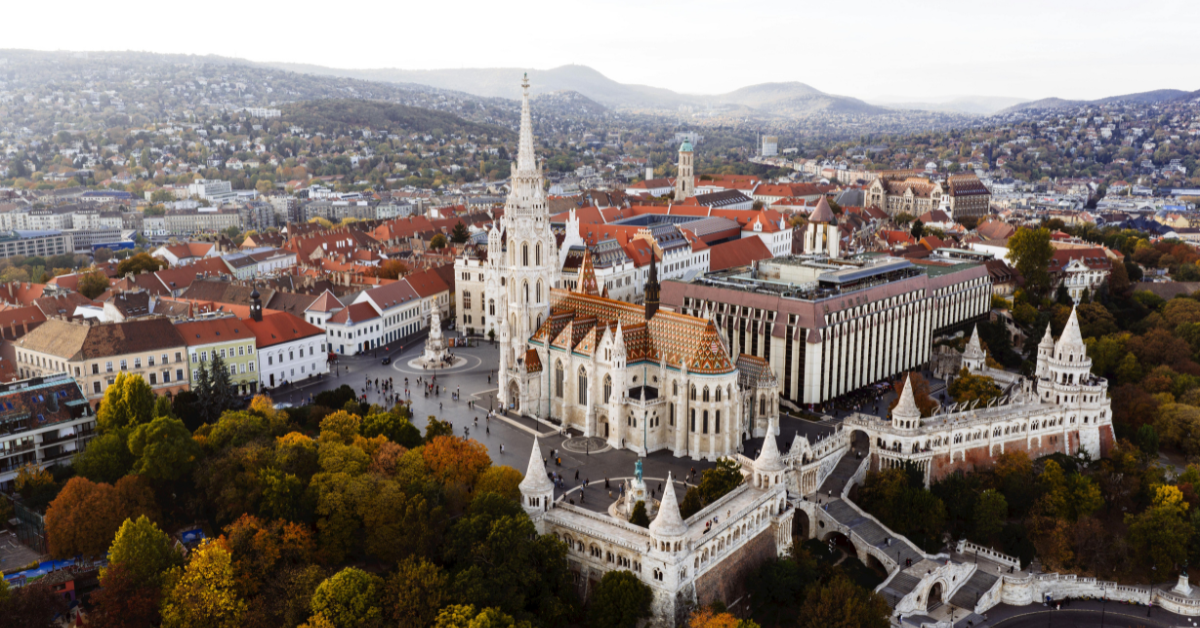
Budapest feels defined by scale. The Danube divides the city physically, but its deeper divisions are historical — royal ambition, imperial order, civic life layered together rather than resolved. Hills rise where fortification once mattered. Broad avenues speak of governance and display.
Art here feels embedded in structure. Buildings don’t merely decorate space; they organise it. Public squares remain functional. Grandeur is visible, but rarely theatrical. The city carries the confidence of having once been a centre of power — and not needing to insist on it now.
Leaving Budapest doesn’t feel like leaving history behind. It feels like following it northward, where formality gives way to intimacy.
Following Old Authority Lines
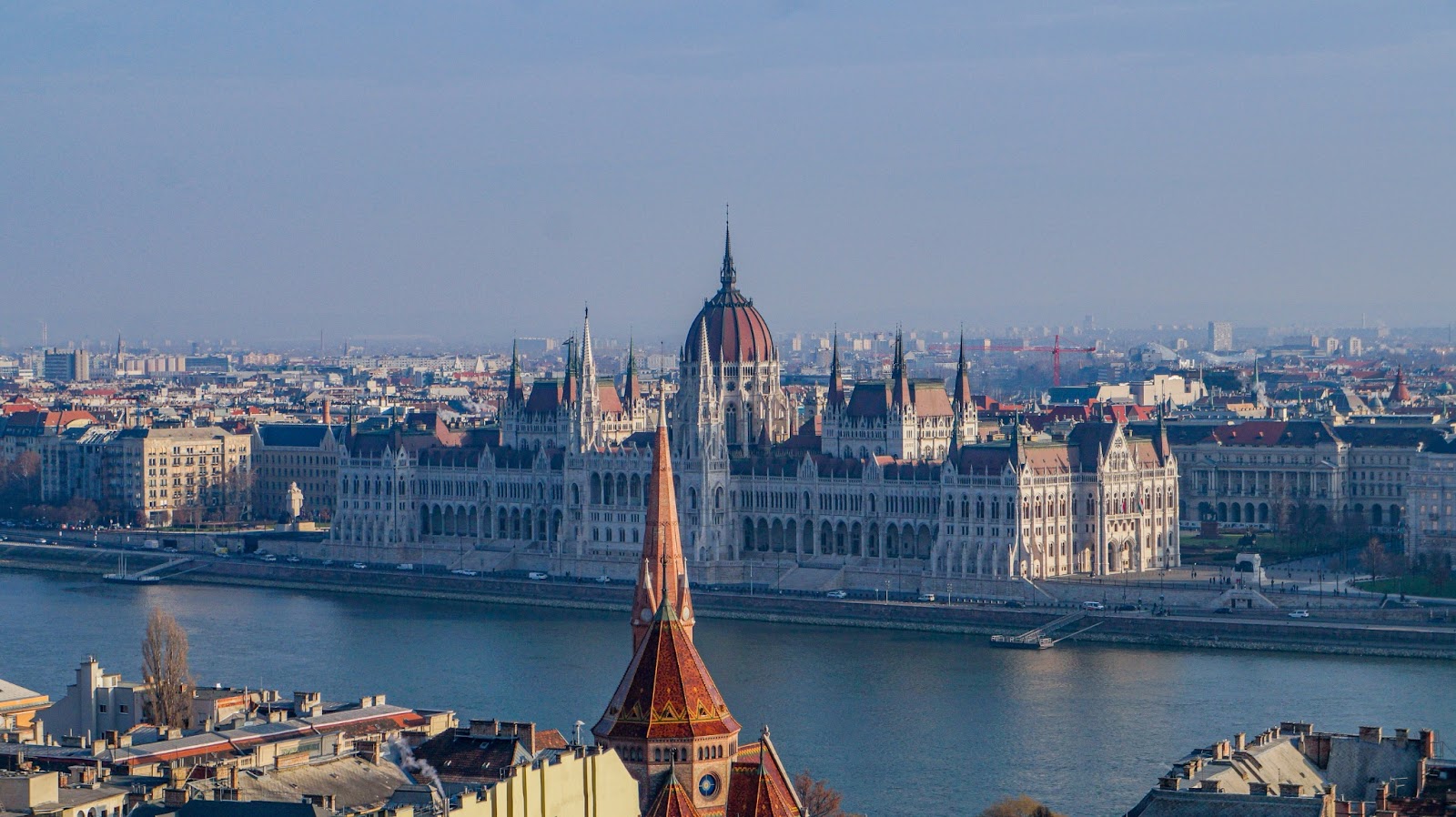
Movement across Central Europe often mirrors the paths of former kingdoms. Roads, railways, and rivers still trace decisions made long before modern borders existed.
Travelling from Budapest to Prague carries this sense of inherited logic. Landscapes soften. Urban density shifts. The tone of history adjusts — less declarative, more reflective. The journey feels less like a transfer and more like a continuation of a long conversation.
Inward Layers and Quiet Assertion in Prague
Prague does not project power outward. It folds it inward. Streets curve rather than align. Authority expresses itself through endurance rather than scale.
Art here lives close to the ground. Facades carry ornament without excess. Churches and civic buildings coexist without hierarchy. The city’s medieval core doesn’t feel preserved so much as inhabited.
What defines Prague is restraint. Its heritage isn’t announced. It’s discovered gradually, through repetition rather than revelation. The city trusts time to do the work.
Eastward, Where Memory Tightens
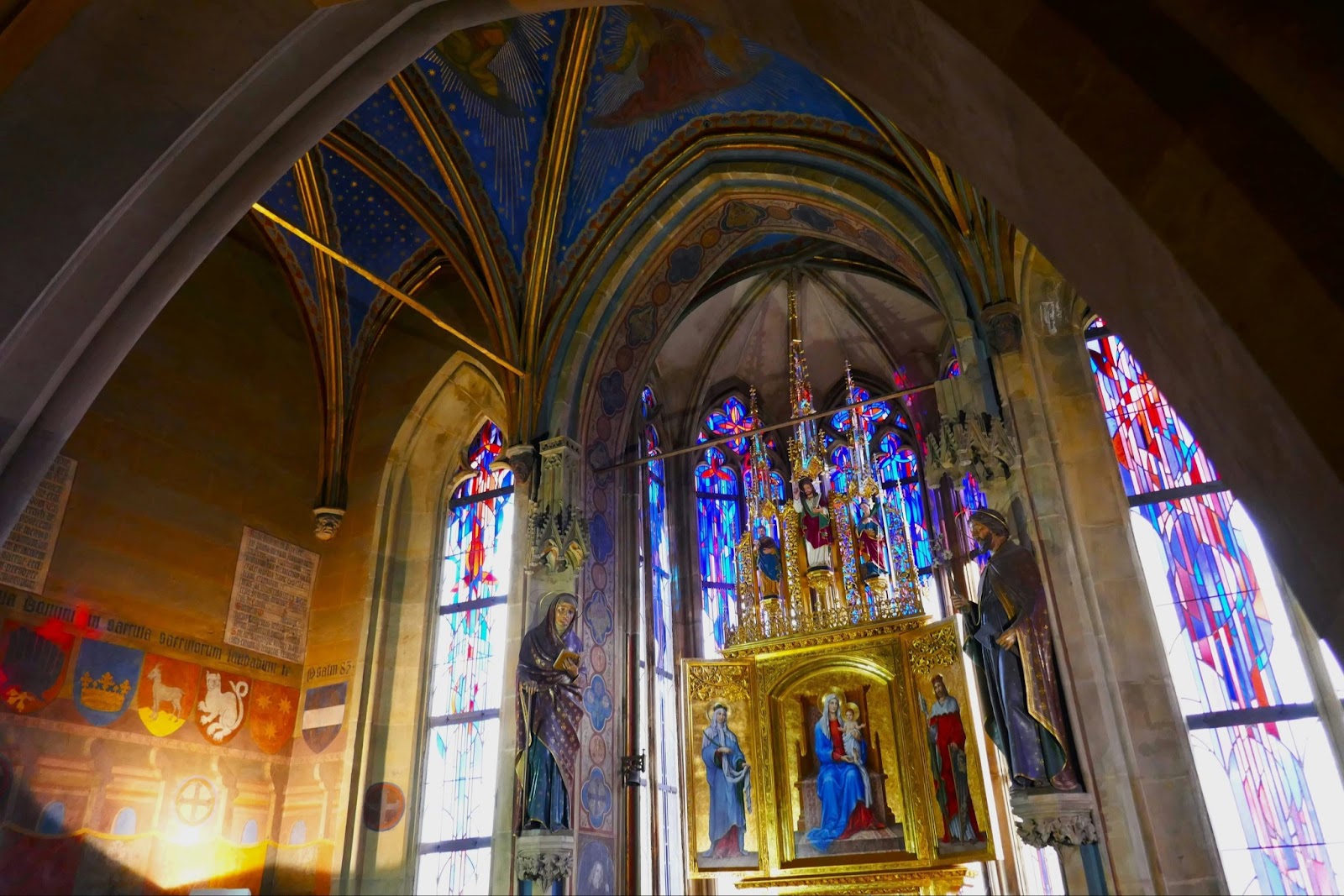
Moving further east, the tone of history sharpens. Borders have shifted more recently. Memory feels closer to the surface.
The Warsaw – Krakow train links two cities shaped by very different responses to loss and survival. The route itself reflects recovery rather than continuity — a reminder that heritage here is not inherited intact, but rebuilt deliberately.
Reconstruction and Resolve in Warsaw
Warsaw’s heritage is defined by absence as much as presence. Destruction erased much of the city, and what stands today reflects choice rather than accident.
Art and architecture here carry intent. Rebuilt streets are not replicas; they are decisions about what deserved to return. Public space feels purposeful, shaped by memory rather than nostalgia.
Warsaw’s strength lies in clarity. Its past is acknowledged openly, without embellishment. The city moves forward without pretending continuity was uninterrupted.
Continuity Through Culture in Kraków
Kraków offers a different response to history. Where Warsaw reconstructs, Kraków preserves. Its historic core remains intact, allowing art and ritual to persist through familiarity.
Churches, squares, and university spaces function much as they always have. Daily life unfolds within inherited forms without needing to explain them. The city’s cultural authority feels accumulated rather than asserted.
Kraków demonstrates how continuity can protect identity — not by resisting change, but by absorbing it slowly.
Art That Organises Life
Across Central Europe, art rarely behaves as decoration. It structures movement, defines gathering spaces, and anchors routines. Statues mark memory. Buildings shape behaviour.
This functional role keeps heritage active. When art continues to serve purpose, it remains relevant. When relevance fades, meaning thins.
Cities here understand this instinctively. They allow art to age alongside use.
When History Refuses to Settle
Central Europe’s heritage is unsettled by nature. Kingdoms rose and fell. Borders shifted. Authority moved. Yet culture persisted by adapting rather than freezing.
This adaptability explains why the region feels coherent despite difference. Each city expresses history differently, but all share a refusal to treat the past as finished.
Art remains present because it is allowed to evolve.
Why Central Europe Still Feels Connected
Budapest’s scale, Prague’s restraint, Warsaw’s resolve, Kraków’s continuity — these are not isolated traits. They are responses to shared pressures, shaped by geography and power.
What connects these cities is not similarity, but dialogue. Each speaks to the others through inherited form, rebuilt space, and lived tradition.
To travel here is to move through a landscape of memory that remains active — not commemorated from a distance, but engaged daily.
Where Kingdoms Still Echo
The kingdoms that once defined Central Europe no longer exist as political realities, but their influence lingers. In street layouts. In public squares. In how art is positioned within life rather than above it.
This region does not present history as spectacle. It allows it to persist quietly, shaping movement and meaning without demanding attention.
And that is why Central Europe’s heritage endures — not because it was preserved intact, but because it was allowed to change without being erased.
*This is a collaborative post. For further information please refer to my disclosure page.
Related Posts:
Why should I Get a CityPASS For New York?
There’s so much to do, to see and take in when you visit New York. From excursions to events, the Read more
Top 10 Must-Visit Holiday Rentals Around the World to Explore in 2025

The vacation rental industry has been booming in recent years, with travelers seeking personalized and unique accommodations that offer more Read more
Kids Will Be Kids, Even On Holiday!
Unless you haven't been following me for very long, you'll know that we have just had the holiday of a Read more
How We Planned our Amazing DIY Christmas Trip to Lapland
*Affiliate Links Lapland has always been on my travel dream list, even more so since having children but as we Read more