
Why a Guided Experience Makes Traveling South Korea Easier
*Collaborative Post
Traveling to South Korea can feel overwhelming, especially if it’s your first time visiting this fascinating country. Between navigating the language barrier, understanding complex transit systems, and discovering hidden cultural gems, independent travel can quickly become stressful rather than enjoyable. That’s where having professional guidance transforms your journey from complicated to effortless, allowing you to immerse yourself in the experience rather than worry about logistics.
Navigating Language Barriers with Confidence
While South Korea has made significant strides in accommodating international visitors, English isn’t as widely spoken outside major tourist areas as you might expect. Restaurant menus, street signs, and transportation announcements can be entirely in Korean, making simple tasks like ordering food or asking for directions surprisingly challenging.
Having a guide eliminates this stress completely. They serve as your cultural interpreter, not just translating words but explaining context and customs that would otherwise remain mysterious. You’ll understand why certain foods are eaten in specific ways, what gestures are considered polite, and how to show proper respect at temples and historical sites.
This linguistic support becomes particularly valuable when you need assistance with unexpected situations. Whether it’s a medical issue, a transportation problem, or simply wanting to have a meaningful conversation with a local artisan, your guide ensures nothing gets lost in translation.
Maximizing Your Time in Every Destination
South Korea packs an incredible amount of diversity into a relatively small geographic area. From the bustling streets of Seoul to the serene temples of Gyeongju, from volcanic Jeju Island to the DMZ’s stark reality, there’s almost too much to see and do.
Without proper planning, you can easily waste precious vacation time figuring out routes, waiting for the wrong bus, or arriving at attractions during closing hours. Guided experiences are carefully choreographed to maximize efficiency, ensuring you see the most important sites without the exhausting rush that often accompanies poorly planned itineraries.
Your guide knows exactly when to visit popular attractions to avoid crowds, which days certain palaces offer special ceremonies, and how to combine nearby destinations for seamless day trips. This insider knowledge can mean the difference between spending hours in lines or enjoying exclusive access to experiences most tourists miss entirely.
Accessing Hidden Gems and Local Favorites
Guidebooks and travel blogs can point you toward major attractions, but they rarely reveal the authentic local experiences that make travel truly memorable. The family-run restaurant serving the best bibimbap in the neighborhood, the quiet hiking trail with breathtaking views, or the traditional market where locals actually shop rather than tourist-focused versions remain largely undiscovered by independent travelers.
Guides who live and work in South Korea have spent years cultivating relationships and discovering these special places. They can take you to the pojangmacha (street food tent) where locals gather after work, introduce you to craftspeople keeping traditional arts alive, or show you the perfect spot to photograph cherry blossoms away from tourist crowds.
These authentic encounters create the stories you’ll share for years to come. They’re the moments when travel transcends sightseeing and becomes genuine cultural exchange.
Understanding Complex Historical and Cultural Context
South Korea’s history is rich, complex, and often heartbreaking. From ancient kingdoms to Japanese occupation, from the Korean War’s devastation to the “Miracle on the Han River” economic transformation, understanding this context dramatically enhances your appreciation of what you’re seeing.
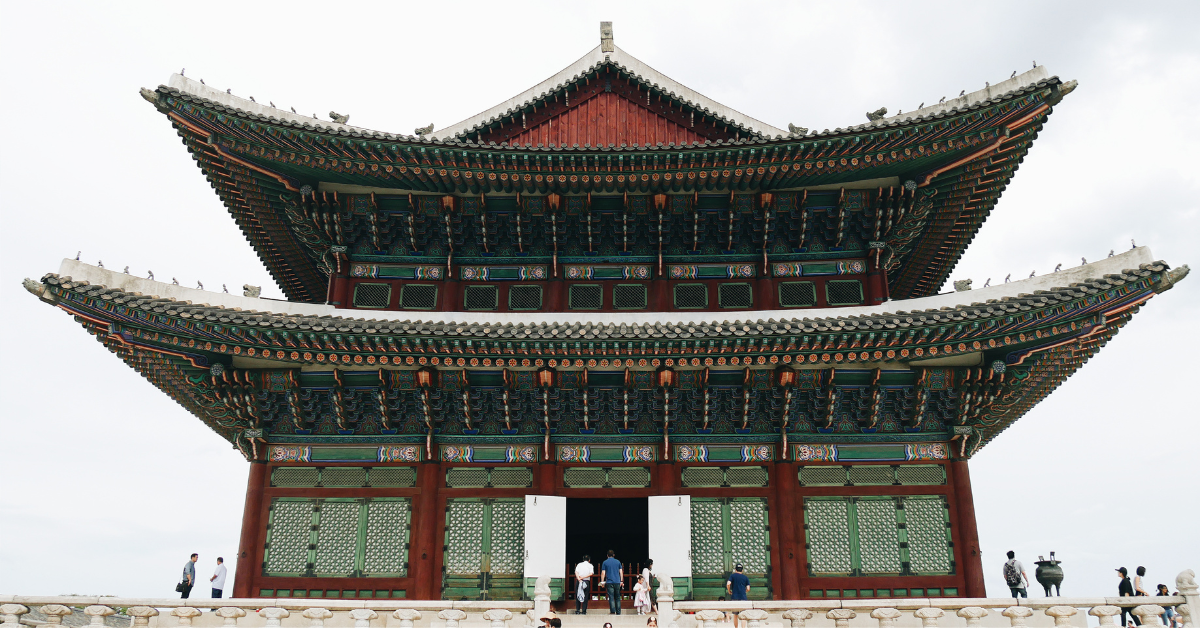
Standing before Gyeongbokgung Palace or walking through the DMZ becomes far more meaningful when someone can explain the historical significance, personal stories, and ongoing cultural impact of these places. South Korea guided tours provide this educational component that transforms passive observation into active learning.
Your guide can answer questions in real-time, adapting explanations to your interests and knowledge level. This personalized education is impossible to replicate through audio guides or reading plaques at monuments.
Enjoying Stress-Free Logistics and Planning
Perhaps the most underrated benefit of guided travel is simply not having to worry about the endless details that consume so much mental energy. Transportation between cities, accommodation check-ins, restaurant reservations, and ticket purchases all happen seamlessly in the background.
This logistical support proves especially valuable in a country where many services require Korean phone numbers, local payment methods, or advance reservations through Korean-language websites. Your guide handles these complications, leaving you free to simply enjoy each moment.
Creating Meaningful Connections
Finally, a great guide becomes more than just a logistics coordinator or information source. They become your connection to Korean culture, sharing personal perspectives and stories that bring destinations to life. Many travelers find these relationships become the highlight of their journey, offering insights no guidebook could ever provide.
The investment in guided experiences pays dividends in reduced stress, deeper understanding, and richer memories. While independent travel has its place, South Korea’s unique combination of language challenges, cultural complexity, and incredible diversity makes professional guidance not just helpful but transformative for most visitors.
*This is a collaborative post. For further information please refer to my disclosure page.
Related Posts:
The Isle of Wight in a Day? Here’s What You Can Get Up To

Visiting the Isle of Wight for the day may seem like an unachievable trip but, if like me, you live Read more
Booking Flights: Need to Know Some Facts

If you don't have a credit card, you can purchase an airline ticket with cash. You should also consider purchasing Read more
Making a Family Travel Documents Checklist

Traveling is a wonderful opportunity to create memories and explore new places together. Getting your family ready for a vacation Read more
Kid-Friendly Destinations in Greece

Do you love travelling with your kids? Then you must find perfect destinations that accommodate kids. Greece is a fun Read more