Why Secondhand Baby Gear Isn’t Always Greener
*Collaborative Post
Most parents who care about the environment default to the same rule: buy secondhand wherever you can. It’s a good instinct, and for plenty of baby items, it’s the right call. But it doesn’t hold up in every case, and the reasons why are rarely talked about. Follow along as we look at when a pre-loved bargain actually costs the planet more than buying something new.
Safety Standards Change More Often Than You’d Think
Baby product safety regulations in the UK get updated regularly. What passed the test five years ago might not meet today’s requirements. Bouncers, highchairs and cot mattresses are common examples where standards have tightened in recent years.
When you buy secondhand, there’s often no way to confirm which version of the safety standard the product was made to. Labels fade, instruction manuals go missing, and sellers don’t always know the manufacturing date. So you could end up with something that looks fine but doesn’t meet current guidelines.
That matters because if a product fails or you lose confidence in it, you’ll replace it. And now you’ve bought two items instead of one.
The Hidden Environmental Cost of Short Lifespans
A used plastic bouncer might seem like the eco-friendly pick. But plastic baby gear wears down, and it wears down fast. Joints loosen, fabric seats stretch out, and sun-damaged plastic becomes brittle. If the item has already been through one or two children before it reaches you, its remaining useful life could be very short.
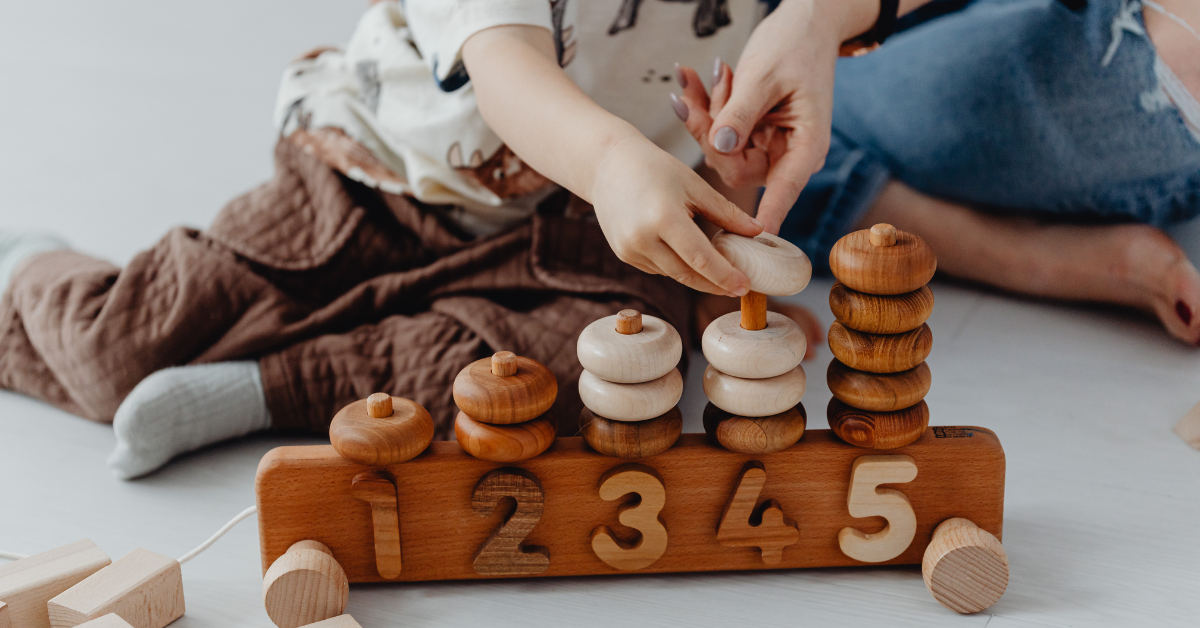
Compare that to something built from solid wood with replaceable fabric parts. A well-made wooden bouncer can go through three or four children and still look and function the way it should. Brands that focus on sustainable baby products have started designing with exactly this kind of longevity in mind. Little Hoppa, for example, won a Red Dot Award for a wooden bouncer that’s built to last from newborn through toddler age, with parts that can be swapped out as needed.
The greener choice isn’t always the used one. Sometimes it’s the one that doesn’t need replacing.
Wood vs Plastic: What Lasts and What Doesn’t
Material matters more than most people realise when it comes to baby gear. Here’s a quick comparison:
- Wood holds up well over years of use, can be sanded and refinished, and doesn’t degrade the way plastic does. At the end of its life, untreated wood is biodegradable.
- Plastic is lighter and cheaper upfront but scratches, discolours and weakens with age. Most plastic baby products can’t be recycled through household collections, so they’ll end up in landfill regardless.
A used wooden item with years of life left in it is a great secondhand buy. A used plastic item on its last legs is not. The material should influence the decision just as much as whether something is new or pre-owned.
When Secondhand Still Makes Sense
None of this means you should stop buying secondhand entirely. For clothes, books, soft toys and items that don’t have structural safety requirements, pre-loved is almost always the better environmental option. The same goes for big-ticket items like prams and pushchairs, as long as they haven’t been recalled and all the safety mechanisms still work properly.
The key is to think about it product by product instead of applying one blanket rule. Ask yourself how much life the item has left, whether it still meets current safety standards, and whether you’ll end up replacing it within a few months anyway.
A Smarter Way to Think About Baby Gear and the Planet
The most sustainable purchase is the one you don’t have to make twice. That might be a secondhand snowsuit from a local swap group, or it might be a new wooden play set designed to be handed down through siblings and resold afterwards.
What matters is that you’re making the decision based on the actual lifespan and materials of the product, not just whether it’s got a “pre-loved” label on it. The parents who get this right aren’t the ones who always buy secondhand or always buy new. They’re the ones who ask the right questions before they buy anything at all.
*This is a collaborative post. For further information please refer to my disclosure page.
Related Posts:
Why You Should Create a Wildflower Meadow in Your Garden

*Collaborative Post If you love flowers and a range of bees and beautiful butterflies, then chances are you’ll love having Read more
7 Must-Have Eco-Friendly Summer Items
*Affiliate Links Summer is a fantastic time for fun in the sun, beach trips, woodland walks, long bike rides, water Read more
Why We Need to Stop Balloon Releases Now!
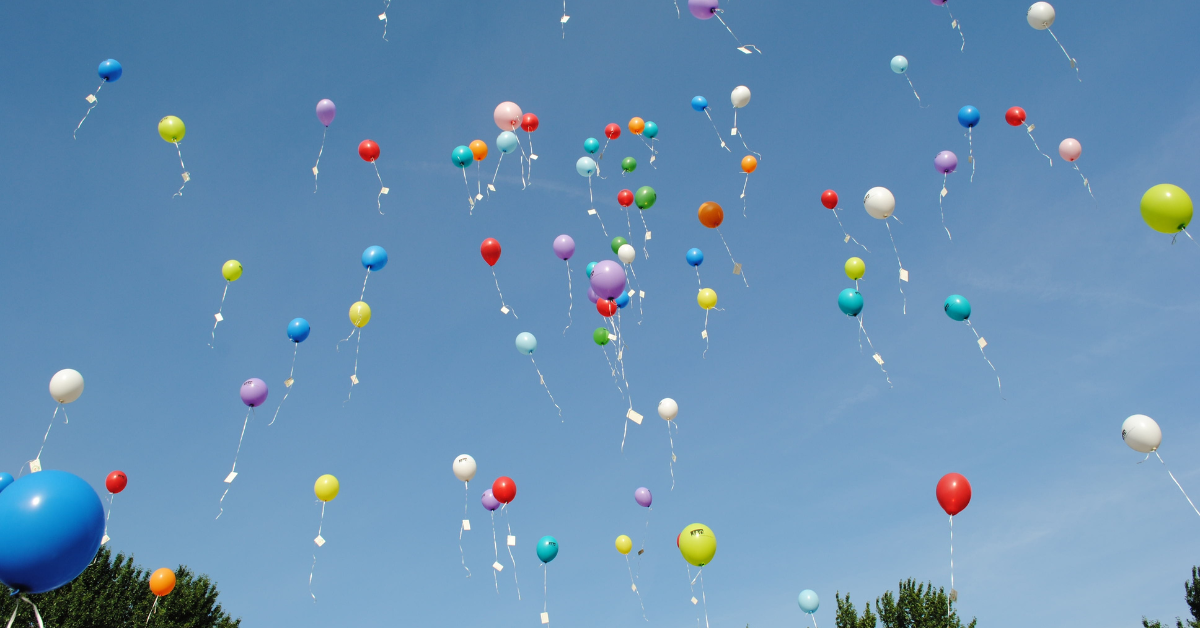
As you can tell from the title I absolutely despise balloon releases. They are wasteful, harmful to the environment and Read more
Review | Reusable Tea Bags

Towards the end of last year, I decided that I no longer wanted to be purchasing tea bags that were Read more