
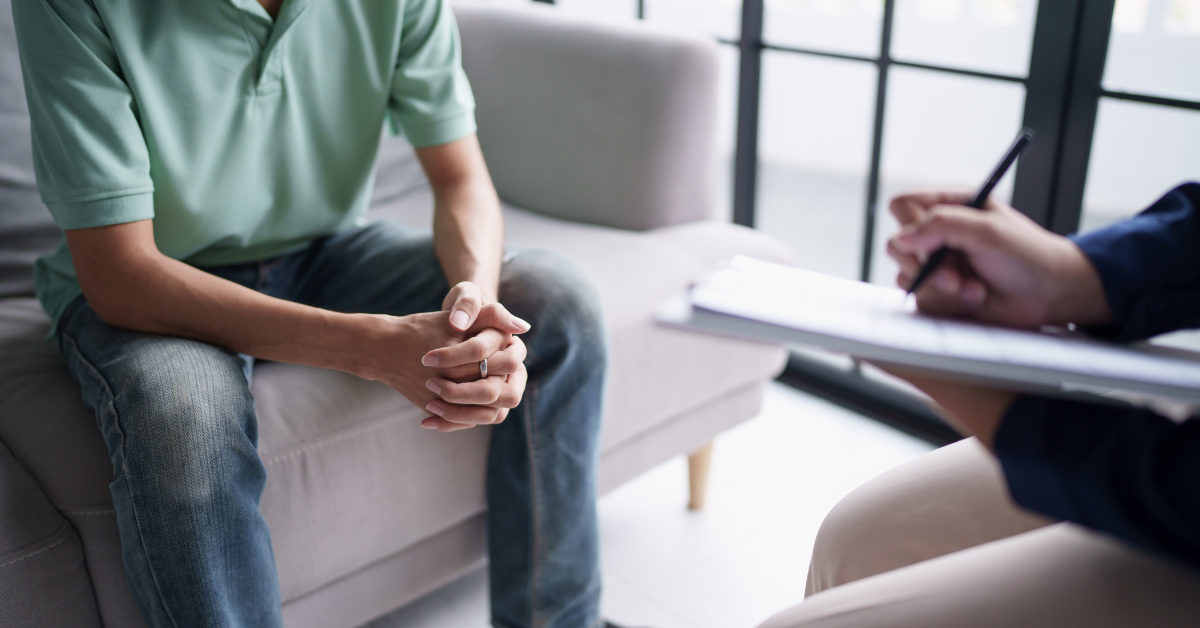
Caring for Your Mental Health After an Accident
*Collaborative Post
Any accident can leave a person shaken long after the physical wounds begin to heal. While much of the initial attention naturally goes to broken bones and bruises, the mind often carries a potentially crippling invisible weight. Recognising that emotional and psychological responses are part of recovery is a vital first step on your road to full recovery.
1. Recognising the Emotional Impact
In the aftermath of an accident, it is common to experience shock, anxiety, intrusive thoughts, difficulty sleeping or a persistent feeling of being unsafe. After a traumatic event people may feel hyper-alert, detached or fearful even if the physical injury is healing. If someone is also exploring car accident claims, they may find themselves obsessing over what happened during their accident and replaying it in their minds, which can intensify emotional stress. These responses are not signs of weakness but are just how the brain and body attempt to make sense of what has occurred.
2. Practical Self-Care Strategies to Support Your Recovery
While the focus initially may be on physical recovery, neglecting the mind can slow overall healing. Simple self-care strategies help build resilience: maintaining regular routines (including sleep and meals), getting moderate exercise and fresh air, talking about what happened rather than avoiding it, and ensuring one doesn’t isolate. For example, someone might combine gentle walks or physiotherapy with moments of reflection, journalling or quiet time. Ensuring adequate rest, limiting caffeine or alcohol intake (as they are always just short-term fixes) and staying connected with trusted friends or family will also support recovery.
3. Seeking Professional Help When Things Don’t Improve
If symptoms persist beyond a few weeks, evolve into nightmares, intrusive memories or begin to interfere with day-to-day life, professional help may be needed. If distress is not improving after one month or is still present after three months, it may indicate a condition such as trauma-related distress or even PTSD. In the UK, it’s worth noting that the NHS is rolling out a network of dedicated mental-health emergency units across England, designed to better support people in mental health crisis. A GP can assess the symptoms, refer to specialist services, and work with the individual to access therapy, counselling or appropriate Treatment for Trauma and Abuse in Adults where necessary. Early intervention can significantly improve long-term recovery outcomes.
4. Rebuilding Confidence and Returning to Normal Life
A key part of mental-health recovery after an accident is gradually reintegrating into everyday life. This might include returning to driving, taking up a hobby again, resuming social activities or preparing to go back to work. Fear, anxiety or hyper-vigilance may linger so setting small, achievable goals and celebrating each success (no matter how small it might feel) helps rebuild confidence. Engaging with peer-support networks or accident survivor groups can also reduce the feeling of being alone. By taking control of both the physical and mental aspects of recovery, the individual becomes less defined by the accident and more defined by their resilience and return to life.
Final Thoughts
Accidents affect more than the body. Recognising emotional responses, practising self-care, seeking professional support if needed and gradually rebuilding normality are all crucial. With the right approach, recovery becomes not just about healing wounds but rediscovering strength and returning to life with renewed confidence.
*This is a collaborative post. For further information please refer to my disclosure page.
Related Posts:
Curtain Care: How to Sustainably Clean and Maintain Your Curtains

Curtains can absolutely transform how a room looks and feels. However, as with anything else, they can look terrible if Read more
How to use public Wi-Fi safely in airports, cafes and other public places

There’s no denying the appeal of public Wi-Fi. It lets you check emails, browse the web, or stream content while Read more
Best Travel Prepaid Unlimited Data eSIM Plans: The Ultimate Guide

If you’re a frequent traveler, you know the struggle—landing in a new country and scrambling for a local SIM card Read more
Summer Outfit Ideas

With a change in season comes a change in wardrobe, and although we love experimenting with seasonal trends all year Read more