

From Lease to Living: Essential Survival Tips for New Renters
*Collaborative Post
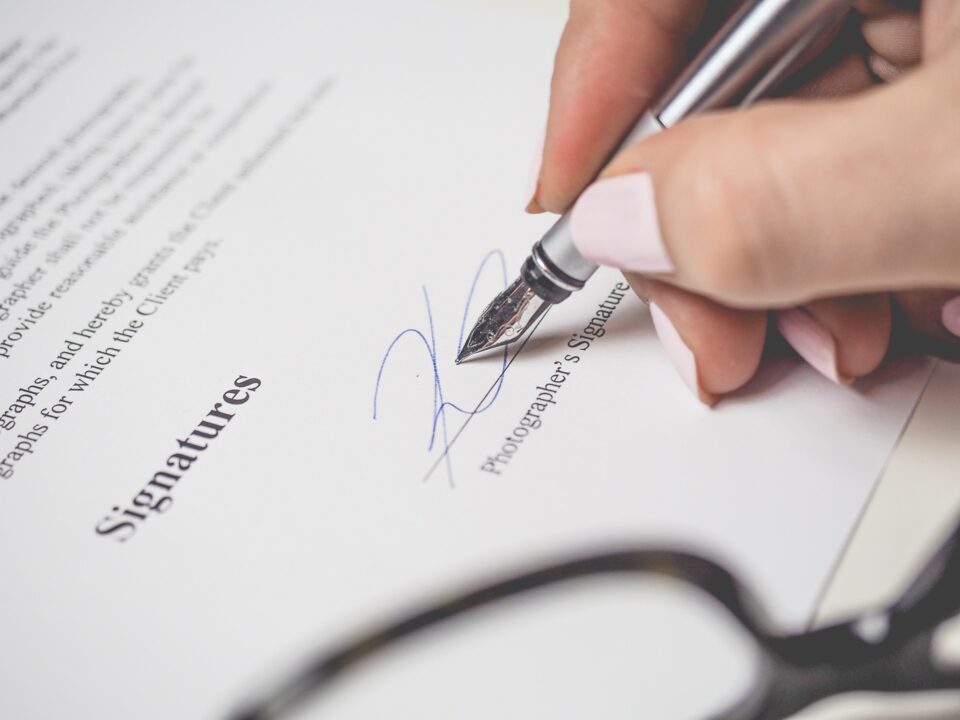
Signing your first lease feels like a big win, and honestly, it is. Once the excitement settles, and you’re standing in your new place surrounded by boxes, reality kicks in fast. Now you are personally responsible for paying the utility bill, chasing down the landlord to fix the leak, and also determining why your neighbor’s wifi is better than yours.
Renting comes with a learning curve nobody really warns you about. Many people do not know how to properly terminate their leases, how to manage deposits, or what their rights are as renters. There is so much to learn when renting, and it can be quite intimidating for first-timers. With that in mind, continue reading below for important survival tips for new renters and other valuable information.
Common Challenges First-Time Renters Face
Renting for the first time can be much different from what you imagined when signing a lease. Once you actually begin living in the rental unit, other realities may come to light. For example, many new renters can feel like they are reading a lease in a foreign language because it often reads that way. Many new renters do not look at the fine print of their lease agreement and later get caught off guard by clauses around early termination, subletting, or what counts as “normal wear and tear.”
Then there’s the security deposit situation. You hand over a significant chunk of money upfront and hope you’ll see it again when you move out. However, without proper documentation, that’s not always guaranteed. Use a first time renter survival guide to confidently navigate everything from move-in inspections to communicating with management.
Another headache is repairs; you don’t always know which repairs fall under your jurisdiction as a tenant and which are your landlord’s responsibility. If this is the first time you are budgeting for rent, utilities, groceries, and everything else, adjusting to it can hit differently than expected.
Key Sections Every Renter Should Review in the Lease Agreement
- Rent
Before signing anything, you need to be sure you understand the details of your rent and everything connected to that cost. Every month, find out when the rent is due and if there is a grace period if you are a day or two late. Some homeowners will have a more generous approach to late payment, while others will impose a late fee the moment the deadline passes. It’s vital to find out exactly how much that late fee is and when it kicks in.
You’ll also want to know the payment method: bank transfer, check, or an online portal. Another item you will want to find out is whether your rent will be fixed for the duration of your lease or whether the landlord may increase it before your lease. A reliable Fairfax property management company provides clear communication channels, making it easier for tenants to report concerns.
- Due Dates
The dates of your rent payment are defined in your rental agreement. While many landlords typically set rent due on the first of the month, others have mid-month due dates, so be sure to review your rental agreement for the actual date your rent is due.
Don’t overlook the grace period when looking for an apartment, as it can mean the difference between a late fee being applied to your rent and your rent being paid on time. While some landlords are more lenient and will allow you to be just a few days behind on your rent, others will not be flexible with you at all. Regardless of how the landlord works with you, remember it is intended as a buffer, not an extension.
- Penalties
When signing a lease, renters typically do not anticipate problems; however, being aware of the specific penalties in your lease can help you make sense of your choices as a tenant. You should start with late fees. The majority of leases outline the precise amount you will be charged if your rent is not paid by the due date, and some even include a grace period.
Early termination is another big one. The financial repercussions of having to vacate before your lease expires can be severe, often amounting to a full month’s rent or more. However, you shouldn’t assume breaking a lease is simple or cheap.
Also, watch out for penalties for unauthorized guests, pets, or alterations to the unit. These clauses are easy to overlook but can cost you your deposit or, worse, trigger eviction proceedings. Read it once. Then read it again.
- Duration
Most leases have an expected duration of 12 months, but some landlords offer leases with different terms.
An important thing to know when considering a new rental is what occurs when the lease expires. Will it renew automatically? Will it continue month-to-month? Often, these details are hidden in the middle of the lease, so be cautious to ensure you understand them before signing, as extra fees may apply.
Importance of Proactive Communication with Your Landlord
If you have a positive relationship with your landlord, it can improve your experience as a tenant. Good communication is the foundation of a healthy tenant-landlord relationship, so don’t wait until something goes wrong before contacting your landlord about an issue.
Always follow up with your landlord, in writing as well as verbally, regarding any issues you have discussed. A quick email or text message will create documentation to protect you in the event of a dispute.
Being proactive also helps to establish trust between you and your landlord. Tenants who keep their landlord informed about any issues or repairs, as well as those who pay rent on time, create goodwill with their landlord, which may benefit you in the future, should you need flexibility or assistance from them.
Final Thought
Renting for the first time is a big step, but it gets easier once you know what to expect. Remember to always read your lease carefully, document everything, stay on top of your budget, and keep the lines of communication open with your landlord.
These aren’t complicated moves; they’re just habits that protect you and make the whole experience less stressful. Your new place is supposed to feel like home, and with the right groundwork in place, it absolutely can.
*This is a collaborative post. For further information please refer to my disclosure page.
Related Posts:
5 Things to Do If You Are Experiencing Unexplained Pain

Having your body betray you is among life’s most stressful experiences. Medicine is not an exact science, and finding a Read more
How to Replace Mower Blades to Save Time and Money

Most homeowners would be amazed to learn that sharpening your mower blades can prolong the life of your mower by Read more
From India To Your Table: try this delicious Basmati rice dish

*Collaborative Post Rice is one of those ingredients widely included in almost every meal worldwide. Maybe you have cooked it Read more
How to Get Healthy in Just 1 Month

Can one month really make a difference in your health? If you're committed to the right strategies, it absolutely can. Read more