
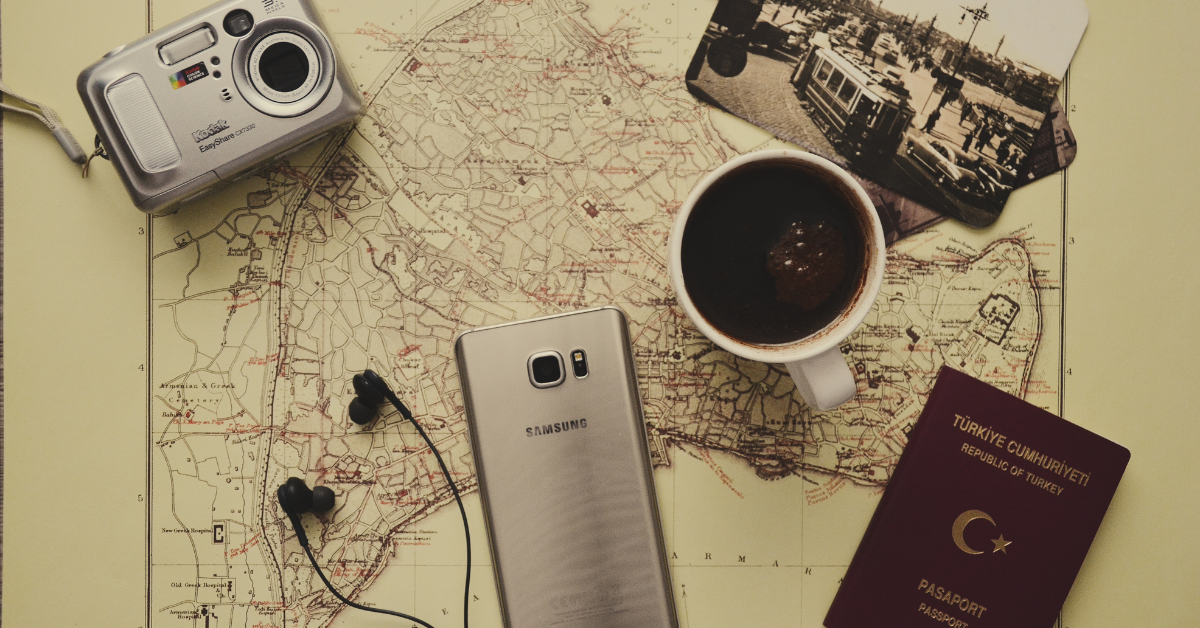
Documenting Your Adventures: Why Video Recording Matters for Travel and Outdoor Experiences
*Collaborative Post
Travel and outdoor adventures create memories that fade with time. While photographs capture single moments, video recording preserves the atmosphere, movement, and emotion of your experiences in ways that still images cannot. Whether you’re hiking through countryside, exploring new cities, or spending time with family outdoors, video documentation has become an accessible way to relive and share those moments authentically.
The technology for capturing quality video has evolved dramatically. What once required expensive equipment and technical expertise is now available to anyone with a smartphone or compact camera. Options range from simple smartphone recording to dedicated devices, and even 4K PC webcams that enable creative possibilities beyond traditional travel filming. This democratization of video technology means that documenting your adventures no longer requires professional-grade gear or specialized knowledge.
Why Video Captures What Photos Cannot
Photographs freeze a single instant. A hiking photo shows you standing on a mountain, but it doesn’t convey the wind, the birdsong, or the effort it took to reach that summit. Video captures the journey itself. You see the path winding through trees, hear the crunch of footsteps, and witness the gradual reveal of the landscape as you move through it. This temporal dimension adds depth to memory that static images simply cannot match.
Video also preserves ambient sound, which is surprisingly powerful for memory recall. The sound of waves crashing, children laughing, or rain on a tent becomes part of your experience when you revisit the footage. These sensory details trigger memories more vividly than visuals alone. When you watch video from a trip years later, you’re transported back more completely than when scrolling through photos.
Additionally, video allows you to capture spontaneous moments that you might miss with a camera. A child discovering a toad, a sudden change in weather, or an unexpected wildlife encounter unfolds in real time on video. These unplanned moments often become the most meaningful parts of travel memories.
Practical Considerations for Travel Video Recording
Recording video while traveling requires balancing quality with practicality. You need equipment that is lightweight, durable, and simple enough to use without constant technical adjustments. The last thing you want on a hiking trip is to spend more time managing your camera than enjoying your surroundings.
Battery life becomes critical when you’re away from power sources. A camera that drains its battery in two hours limits your filming options on a full day of activities. Weather resistance matters too, especially if you’re hiking in unpredictable conditions or spending time near water. Equipment that can handle moisture, dust, and temperature changes gives you confidence to film in varied environments.
Storage capacity is another practical concern. Video files are substantially larger than photos, so you’ll need adequate storage solutions. Many travelers carry multiple memory cards or portable storage devices to ensure they don’t run out of space during their trip. Understanding your equipment’s storage requirements before you leave prevents frustration in the field.
Editing and Sharing Your Footage
Recording video is only half the process. Editing transforms raw footage into a coherent narrative that captures the essence of your experience. You don’t need professional editing software to create meaningful travel videos. Many smartphones include basic editing apps that allow you to trim clips, adjust colors, and add music with minimal effort.
The editing process helps you relive your trip in a different way. As you review footage and select the best moments, you notice details you might have overlooked while filming. This second viewing deepens your engagement with the experience. You remember conversations, landscapes, and feelings that might otherwise fade.
Sharing edited videos with family and friends creates a richer way to communicate your experiences than photos alone. A two-minute video conveys far more about a destination or activity than dozens of still images. People who watch your travel videos gain a genuine sense of what the experience was like, making them feel more connected to your adventure.
Balancing Documentation with Experience
There’s a valid concern about spending too much time behind a camera during travel. The goal should be documenting your experience, not letting documentation consume your experience. This means being intentional about when you record and when you simply observe.
Many travelers find that filming specific moments rather than continuously recording strikes the right balance. Record the beginning of a hike, a particularly beautiful vista, interactions with local people, or activities that are inherently dynamic. Let other moments pass undocumented so you can be fully present. This selective approach means you capture meaningful footage without missing the actual experience.
The act of filming can also enhance presence in unexpected ways. When you’re consciously looking for good shots, you notice details you might otherwise overlook. The interplay of light and shadow, the texture of a landscape, or the expressions on people’s faces become more apparent when you’re thinking about how to frame them visually.
Technology Continues to Improve
Video recording technology keeps advancing, making it easier to capture quality footage without technical expertise. Stabilization features reduce shaky footage. Automatic exposure adjustment handles changing light conditions. Voice-guided controls allow you to operate cameras without looking at screens. After recording, video upscaling tools can help enhance the quality of travel footage, making older or lower-resolution clips look sharper and more polished before sharing them. These improvements mean that anyone can record travel video that looks polished and professional.
The variety of recording devices available means you can choose equipment that fits your specific travel style. Compact action cameras work well for active pursuits. Smartphone recording suits casual travel and family outings. Gimbal systems provide stabilization for smooth footage. Each option has advantages depending on your priorities and the type of travel you do.
Conclusion
Video recording transforms how we preserve and share travel experiences. Unlike photographs, video captures movement, sound, and atmosphere in ways that create vivid, lasting memories. The technology is now accessible enough that anyone can record quality footage without professional equipment or expertise. By being intentional about when and what you film, you can document your adventures without letting the camera interfere with actually experiencing them. Whether you’re exploring local hiking trails or traveling to new destinations, video recording offers a meaningful way to capture the full dimension of your outdoor experiences and share them authentically with others.
*This is a collaborative post. For further information please refer to my disclosure page.
Related Posts:
Between Neon Skylines and Ancient Temples: Japan’s Cultural Heartland

Japan is often introduced through contrast. The shock of light against shadow. Precision against quiet. Speed set beside stillness. Yet Read more
10 Best Buddhist Influence Places in India

India's rich cultural and religious tapestry has been profoundly influenced by Buddhism, which has left an indelible mark on the Read more
Luxury Safari Honeymoon Ideas for Couples Who Want Something Different
There's a moment that happens on every honeymoon planning journey where the usual suggestions start to feel a bit... samey. Read more
Start the Year in Mexico with Three Must-See Destinations

Mexico has long been an appreciated holiday spot for travelers from North America. Still, it's now gaining prominence among those Read more