
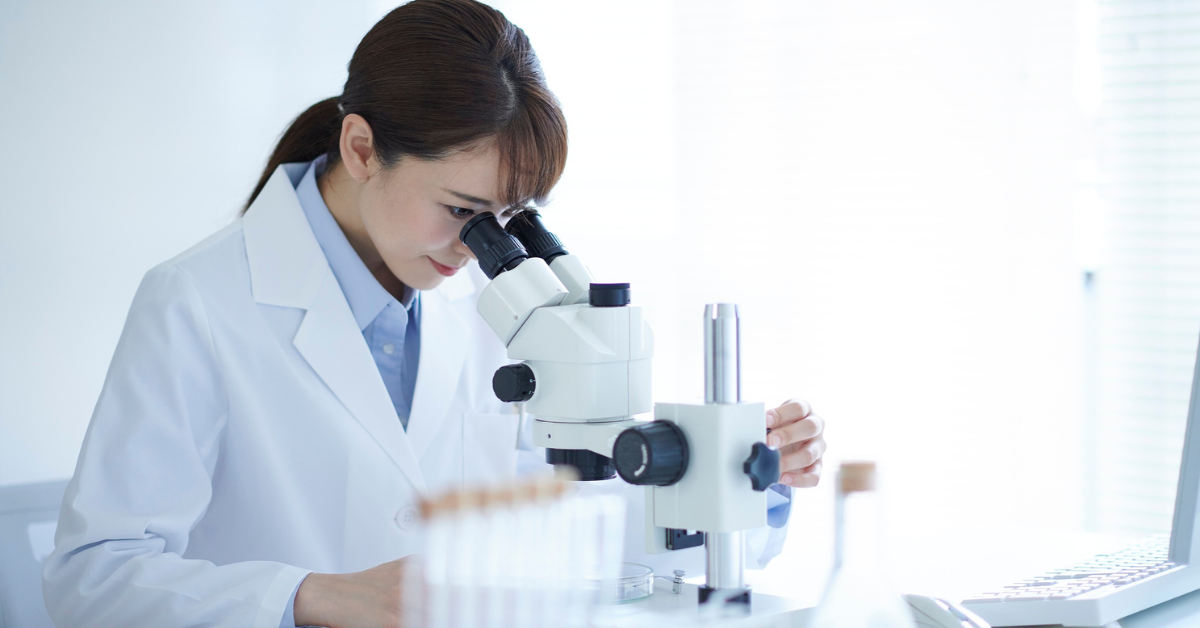
A Gentle Guide to Stem Cell Treatment
*Collaborative Post
When we think about healing, we often imagine medicine, surgery or years of managing symptoms. But what if healing could be more natural? What if the body itself held the power to repair, restore and renew? That’s the hopeful promise behind stem cell therapy; not as a miracle cure, but as a compassionate approach that works with the body, rather than against it.
For those exploring this option, understanding stem cell treatment can feel overwhelming. But it doesn’t need to be. Here’s a gentle guide to help you make sense of it in a calm, reassuring and hopeful way.
What Makes Stem Cell Therapy Different?
At its heart, stem cell therapy is centred around regeneration. Instead of simply masking pain or reducing inflammation, it aims to support the body’s natural ability to heal. Stem cells are special because they can transform into many types of cells, such as bone, cartilage, nerve or muscle. Their role is to help repair or replace damaged tissue. It’s something your body already tries to do naturally but sometimes needs a little help.
This is why people are turning to stem cell therapy for conditions like joint pain, autoimmune issues, degenerative diseases, chronic inflammation and more, especially when traditional options offer only temporary relief.
A Treatment Approach Rooted in Care and Possibility
Not all journeys to healing are the same. Some people pursue stem cell therapy because they’ve tried everything else. Others choose it because they’re looking for a kinder, gentler solution that aligns with long-term wellness rather than short-term fixes.
Providers such as stem cell treatment in Panama with auragens.com focus on delivering therapies that support the body’s natural healing environment. Their goal isn’t just treatment, but understanding and guiding people with clarity, compassion and science-backed care.
How Stem Cell Treatment Works in Simple Terms
- Evaluation – Medical professionals assess whether stem cell therapy may be suitable, based on your health, symptoms and treatment goals.
- Collection – In many treatments, stem cells are collected from the body (often from fat tissue or bone marrow) or provided from carefully processed sources, depending on the condition being treated.
- Preparation – The cells are purified, prepared and sometimes enhanced for better effectiveness.
- Infusion or injection – The prepared stem cells are then placed directly into the affected area or infused intravenously to allow the body to direct them where needed.
- Healing and follow-up – Every patient responds differently. Over time, many report improvements in mobility, energy and comfort as the body begins its repair process.
Is It Right for Everyone?
Like all medical interventions, stem cell therapy isn’t a one-size-fits-all solution. It may not replace medication or surgery in every case. But for many, it offers hope, especially for those who want to explore personalised healing or feel stuck with traditional treatment paths.
The key is guidance. Stem cell therapy should be approached with informed support, responsible providers, and realistic expectations. Exploring innovative regenerative treatment options with experienced professionals can help you better understand what’s possible for your condition. It’s not magic; it’s medicine: future-facing, evidence-evolving, and deeply human.
Looking Beyond Treatment
One of the most beautiful aspects of stem cell therapy is its philosophy of healing. It sees the body not as broken, but as capable. It encourages us to think differently about health, not just about eliminating pain, but about renewing function, vitality and hope. This kind of healing is gentle. It doesn’t rush. It listens to the body. It respects biology.
Hope, Science and the Human Spirit
Stem cell treatment sits at the intersection of possibility and compassion. It speaks to a belief that our bodies are still capable of extraordinary things, even after illness, injury or wear over time.
As research continues and responsible providers lead the way, people around the world are discovering not just treatment, but understanding, relief and renewed hope.
Because sometimes healing isn’t about going back to who you were; it’s about discovering who you still have the chance to be.
*This is a collaborative post. For further information please refer to my disclosure page.
Related Posts:
Transform Your Garden This Fall with These Autumn Planting Tips

Autumn isn't just about pumpkin spice and cosy sweaters; it's also the perfect time for plant lovers to get their Read more
Maximizing Your Furnace’s Lifespan: Regular Maintenance and Timely Repairs

In today's increasingly unpredictable weather patterns, having a reliable heating system is essential. Your furnace plays a crucial role in Read more
The Benefits Of Developing Your Child’s Skills From An Early Age

*Collaborative Post Every parent wants the absolute best for their child, but sometimes it’s hard to find the balance between Read more
Transform Your Space: The Ultimate Weekend Warrior’s Guide to Home Makeovers

Are you itching to breathe new life into your living space? Do you need some inspiration? This guide aims to Read more