

A Parent’s Guide to Buying the First Car for Their Teen
*Collaborative Post
Getting your first car is always an exciting experience for anyone who is a teenager. But parents usually add some element of pragmatism into the equation. Your teenager may be dreaming of having that cool hatchback or whatever flashy model, and which brand name adorns the bonnet.
You’ll be thinking about safety ratings, insurance premiums and whether the thing will actually start on a cold Monday morning, not to mention whether it will keep them safe if someone pulls out in front of them on a wet roundabout. Somewhere between those two positions is a car that’s safe, affordable to run and sensible for someone with about three weeks of driving experience.
So, there’s no universal answer here. Both routes have genuine advantages depending on your circumstances. Let’s look at what you need to consider as a smart, involved parent.
Set a Realistic Budget – Beyond the Purchase Price

Before you start looking at listings, sit down and figure out what you can genuinely pay. The starting point is just the purchase price. Additionally, you have to consider insurance, fuel or charging expenses, Vehicle Excise Duty when it is applicable, MOT costs, servicing, tyres, general maintenance, and unavoidable unexpected repairs.
Particularly important is insurance. New drivers usually pay very high premiums. In fact, they sometimes pay between £1,000 and £2,000 or more annually. Data from Confused.com shows the typical all-encompassing policy for a 17-year-old is about £1,695, more than twice the average across all age ranges. Before you’ve even added gasoline to the tank, this is the cost.
Getting indicative insurance quotes before committing to a certain automobile is the sensible course of action. Once you take into account engine capacity, trim level, and insurance group, a car that appears inexpensive on the forecourt can prove to be surprisingly pricey to insure. Young drivers will find cars in insurance categories 1 to 10 to be the most affordable; thus, as you look, bear this range in mind.
Put Safety and Reliability Ahead of Looks
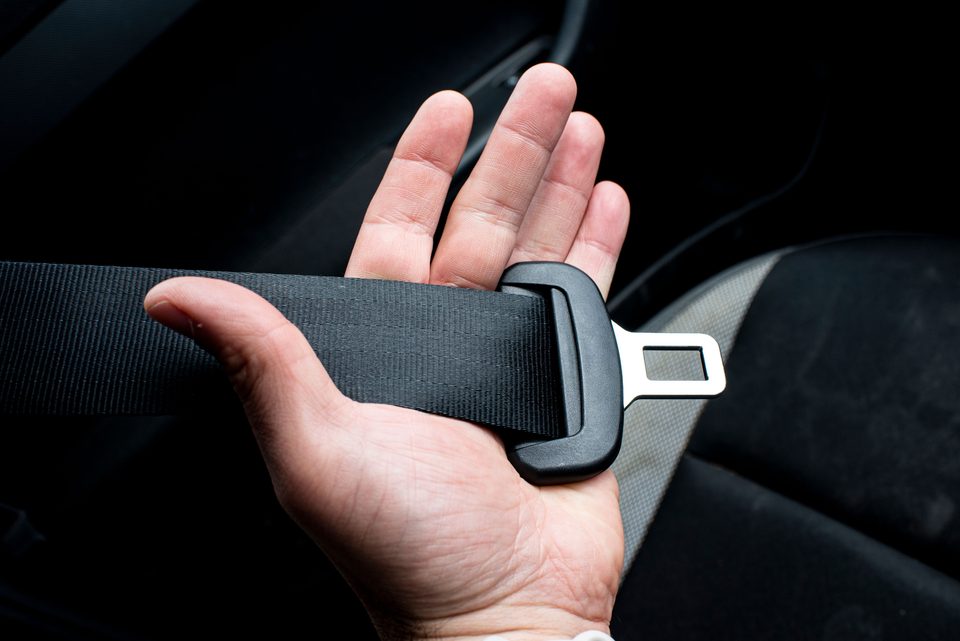
The perfect first car certainly does not have to be brand new or fashionable. Rather, what really counts is the degree of safety the car offers as well as how dependable it is going to prove.
When buying a car for a teenager, parents should consider safety features, reliability of the vehicle and affordability of spare parts first of all. It would be wise to check the car’s Euro NCAP safety rating in advance. The European New Car Assessment Programme rates the cars according to their performance in crash protection and crash avoidance technologies on a scale from one to five stars.
Think About Insurance Before Choosing the Engine
Two cars that look almost identical on the outside can fall into very different insurance groups depending on their engine, trim and specification. A small, sensible first car may therefore make far more financial sense than choosing based purely on purchase price. As mentioned, a low insurance group is one of the most effective ways to keep running costs manageable for a new driver.
New or Used – Which Makes More Sense for a First Car?
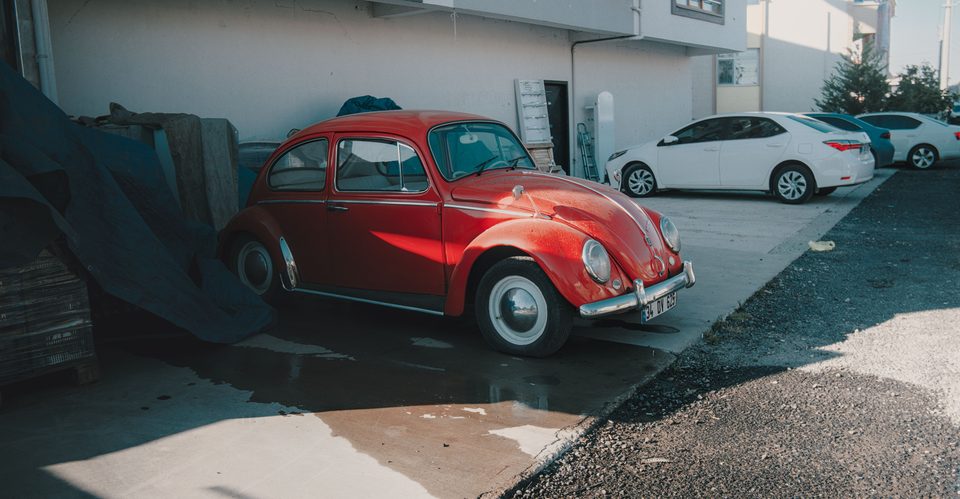
The advantages of purchasing new include warranties from manufacturers, state-of-the-art safety features, low initial maintenance issues, and knowledge about the vehicle’s history. If these things are important to the parents and within their financial reach, buying new would appeal to them.
Buying used, on the other hand, offers a lower purchase price, potentially less depreciation and a much wider choice within a modest budget. A good-quality used car can be an excellent first vehicle.
The key is that its condition and history become especially important. A well-maintained used car with a clear background can serve a new driver perfectly well for years, while a neglected one can become a financial drain and a safety risk.
Check a Used Car Properly Before Buying
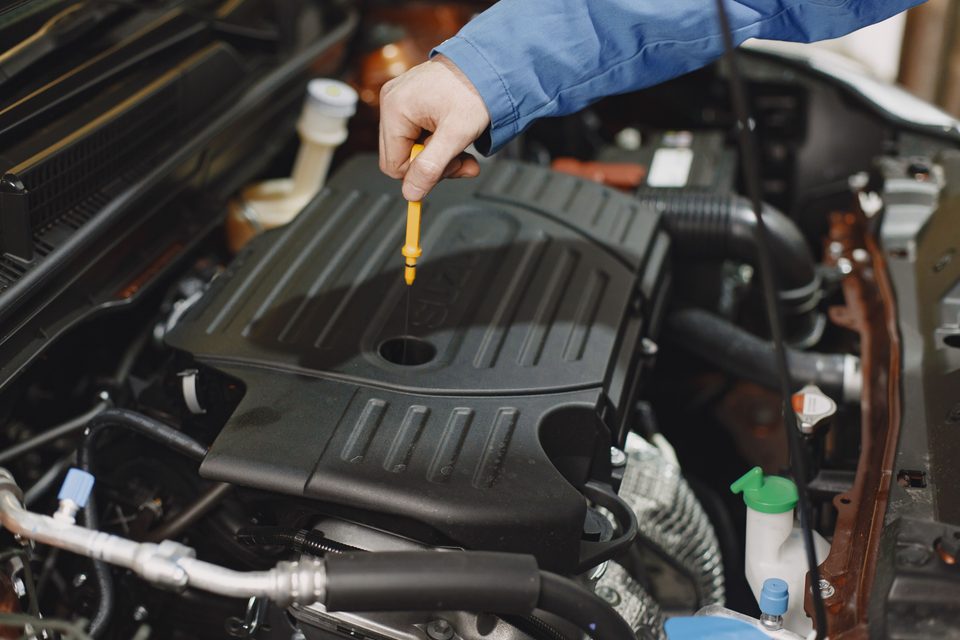
Photos can make almost anything look presentable. Mileage alone tells you very little about how a car has been treated. What you need is evidence such as MOT records, service history, and a proper look underneath.
Start with the MOT history. The government’s online MOT checker allows you to see past test results, mileage records, advisories and recurring faults. This can reveal whether a car has been well maintained or repeatedly patched up just enough to pass. The DVSA actively encourages buyers to use this free service before purchasing.
Aside from investigating MOTs, inspect the service history, mileage, previous damage if known, tyres, brakes, dashboard lights, and condition of the vehicle. Ensure that the VIN number of the vehicle matches the paperwork. Have the test drive, and if both the parents and teen are unsure of what to look for in a used car, seek an expert’s view.
Understand Who Will Own and Register the Car
These are some of the areas which are usually overlooked by many people till the time they are filling out the documents. However, there are several things that you need to decide in advance, such as who will be purchasing the car, who will be the principal user of the car and who will be the registered keeper and named on the documentation.
The terms ‘registered keeper’ and ‘owner’ do not mean the same thing. The registered keeper is the individual whose name will be on the V5C log book, and he or she will be responsible for taxation, insurance and MOTing the vehicle. The owner of the vehicle will be the individual who bought or gifted the car to somebody else.
Registered Keeper vs Legal Owner
Such a situation can often arise when a parent buys their child their first car. In case a parent buys the car but the teenager will be the one using it, it would be important to know the difference between registered keeper vs owner at the point of completing the process. The V5C documents indicate the person who uses the car on a daily basis, but it does not prove ownership of the car.
Make Sure Your Teen Is Comfortable With the Car

It might be your money, but your teenager will be driving. That means comfort and skill with the car are safety issues that need to be taken into account.
An intimidating and difficult car is no use at all, no matter how good its statistics look. Think about the positioning, the ease with which they can see outside the car, the ease of parking, the clutch and gearbox,and if the controls make sense in the way that they work. Try getting your teenager to test drive the car before making any decisions, if at all possible. It’s more important that they feel comfortable driving the car than that they like its colour.
Use the First Car as a Lesson in Responsibility
Getting one’s first car is not simply about having a means of getting around. This marks an introduction to the obligations which accompany owning such a vehicle, allowing parents to aid their child in forming some very useful habits.
This can involve covering half the costs of fuel, ensuring the maintenance of the car, understanding tyre pressure and fluid levels, scheduling service and MOT, and keeping all documentation in order.
Parents can decide which expenses they’ll cover and which their teenager should gradually take on. There’s a practical education buried in all of this. Fuel doesn’t appear by magic. Tyres lose pressure. Warning lights mean something. Learning to stay on top of those things is part of becoming a driver, and it’s far easier to absorb when the car is actually theirs.
*This is a collaborative post. For further information please refer to my disclosure page.
Related Posts:
How I Helped My Child Handle Big Emotions (And What I Wish I Knew Sooner)

Guest Post written by Courage Tales Team There’s a moment many of us face as parents. Your child is overwhelmed, Read more
Helping Children With Autism: 6 Best Strategies for Parents

If your child is under the autism spectrum disorder, you might be wondering and fretting about what will happen next. Read more
Mom Boss Or Kid Boss? Who’s The Head Of Your Household?

*Collaborative Post "You're not the boss of me," you say when your little one throws another temper tantrum. "I have Read more
Review | ReadyPrint Ink Subscription From Epson

*Ad Having a printer in our home is a must for us. I have one child at school who needs Read more