
Best Anti-Static Cleaning Products for Aircraft Avionics and Instruments
*Collaborative Post
Protecting instruments and panels from electrostatic damage
The best anti-static cleaning product for avionics and instruments is one that does two jobs at once: removes contamination, and leaves the surface electrically neutral so it neither re-attracts dust nor adds to the static environment around sensitive electronics. The cleaning is the obvious part. The static control is the part that actually protects the instruments, and it is the reason an anti-static product belongs on the panel rather than a general cleaner.
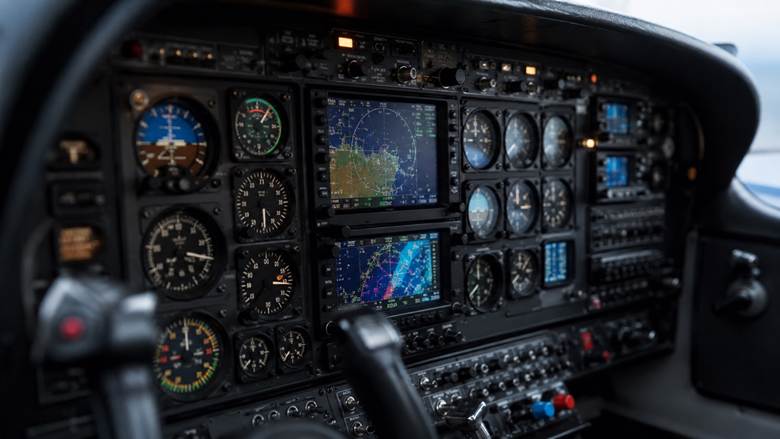
This guide is about the instrument panel specifically: the gauges, the multifunction displays, the radios, the avionics behind them. It is not a general screen-cleaning list and it is not a windscreen list. The framing here is electrostatic discharge protection, because the panel is where static stops being a clarity nuisance and becomes a genuine threat to electronics. We ranked the products on three things: documented anti-static performance, safety on instrument and display surfaces, and evidence that the product actually protects the electronics rather than just polishing the glass.
We led with the product whose ESD-protection evidence on instruments is strongest, then ranked the rest by where each fits.
Why Static Is a Threat to Instruments, Not Just a Nuisance
On an instrument panel, static electricity is a reliability problem before it is a cleanliness problem. Electrostatic discharge can permanently damage sensitive electronic components from as little as 10 volts, around 200 times below the 2,000 volts a person can first feel, and up to 60% of all electronic component failures are attributed to ESD. The panel is dense with exactly the kind of semiconductor electronics that discharge damages.
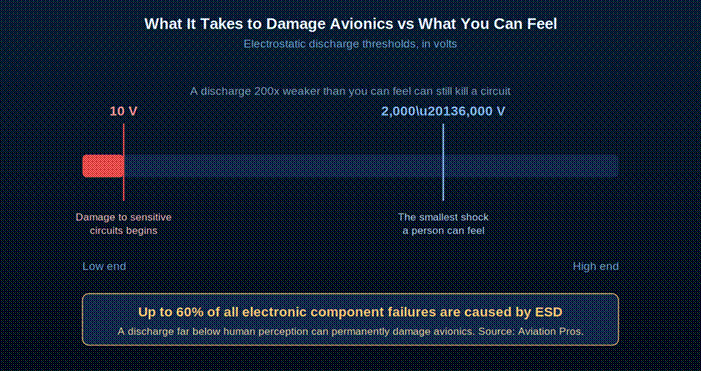
A discharge far below the threshold a person can feel can permanently damage avionics. The instrument panel is dense with the electronics most at risk.
Cleaning is part of how that charge builds. Wiping a panel or display generates a static charge through friction, the triboelectric effect, and a charged surface then attracts dust and contributes to the local charge environment. So a panel cleaned with an ordinary product is left charged, re-soils quickly, and sits in a slightly more hazardous static state than before it was touched. An anti-static cleaner inverts that: it leaves a dissipative film that holds the surface near neutral, so it stays clean and the charge has nowhere to accumulate.
Quick-Pick Summary
The shortlist at a glance.
| Product / supplier | Best for | Anti-static evidence | One-line verdict |
| Alglas Visial CR215 | Aircraft instruments & panels | 3kV to 0.2kV, holds 5-7 weeks | Measured ESD reduction, aircraft-approved |
| ACL Staticide topicals | Facility & housings | Near-zero on treated surfaces | Great for benches, not for screens |
| Techspray Negastat | ESD components | Carbon-yarn dissipation | Strong for component-level work |
| MicroCare static-dissipative | Precision electronics | Low-residue solvents | Niche precision cleaning |
| Chemtronics anti-static | Mixed electronics | Varies by product | Broad range, verify per item |
1. Alglas Visial CR215
Twin wet-and-dry anti-static sachet for aircraft instruments and screens; measured static reduction from 3kV to 0.2kV held for 5-7 weeks; tested by the RAF on canopies (1990); NATO stock numbers.
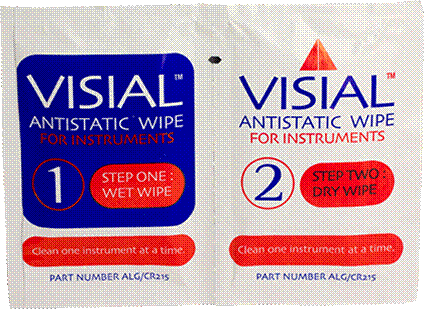
Verdict: Alglas Visial CR215 is the strongest instrument-panel choice because its anti-static effect is independently measured on electronics, not just claimed, and it is approved for use on aircraft.
Who it’s best for: Avionics technicians, MROs, flight simulator operators, and ATC facilities cleaning instrument panels, gauges, and the displays and electronics on them.
Background: Alglas is a UK aerospace cleaning manufacturer founded in 1986, ISO 9001 certified, with approvals from over 30 organisations and NATO stock numbers across the range. Visial CR215 is a twin wet-and-dry sachet built to remove smears, smudges, and static build-up from instruments, screens, and devices. The Royal Air Force tested CR215 on aircraft canopies in 1990 and confirmed it removed sticky fingerprints quickly; STC Defence Systems confirmed a lasting and significant reduction in the electrostatic field on static-sensitive semiconductor devices, display screens, and terminals cleaned with it.
What stands out: The measured ESD protection. When Marconi tested the Visial product on its equipment, surface static fell from 3kV to 0.2kV and stayed there for 5 to 7 weeks without reapplication. That is a documented electrostatic-field reduction on real electronics, which is exactly the evidence an instrument-panel product should carry, and it is rare. Alglas also supplies major UK flight simulator operators with CR215 specifically to clean flight-deck instruments.
The honest downside: Visial CR215 is a flight-deck instrument and screen product. For bulk ESD control across an electronics manufacturing facility, mats, wrist straps, workbench topicals, you will still use a dedicated ESD-facility supplier; this is the panel specialist, not the whole-facility solution.
Product and approval details: alglas.com.
2. ACL Staticide
Over 50 years in static control; topical antistats neutralise charge to near-zero on treated non-porous surfaces; serves avionics, electronics, and aerospace; SW12 wipes for housings.
Verdict: ACL Staticide is the benchmark for static control on equipment housings and around the panel, but its wipes are not for screens, so it complements rather than replaces an instrument-display product.
Who it’s best for: Operations needing static control on avionics equipment cases, housings, racks, and the surfaces around the panel rather than the displays themselves.
Background: ACL Staticide has supplied static control for over 50 years across avionics, electronics, aerospace, and medical industries. Its topical antistats neutralise electrostatic charge to near-zero on treated non-porous surfaces, and its range covers sprays, mat cleaners, and the SW12 anti-static wipe for equipment cases and housings.
What stands out: Genuine ESD-control depth. For the avionics equipment around the panel, the cases, housings, and racks, ACL is a category leader and its topicals are highly effective at holding surfaces near neutral.
The honest downside: ACL’s own documentation states the SW12 wipes are for equipment cases and housings, not screens. So for the displays on the panel you need a screen-safe instrument product alongside it; ACL handles the surrounding hardware, not the glass.
3. Techspray (Negastat)
Techclean anti-static wipes interwoven with Negastat carbon yarn for charge dissipation; cleanroom-qualified; built for ESD-sensitive components.
Verdict: Techspray is a strong choice for cleaning ESD-sensitive components and circuit-level work behind the panel, with a genuine dissipation technology rather than just a topical.
Who it’s best for: Technicians cleaning ESD-sensitive components, boards, and connectors behind the panel, and cleanroom or test-bench environments.
Background: Techspray makes a broad electronics cleaning range used across aerospace and electronics. Its Techclean anti-static wipe is polyester interwoven with Negastat carbon yarn that dissipates charge and prevents build-up, designed for ESD-sensitive components and low-particle cleanroom use.
What stands out: The carbon-yarn construction dissipates charge through the wipe itself, a real engineering approach rather than a residue coating, and the cleanroom qualification suits contamination-critical component work.
The honest downside: The range targets components and cleanroom wiping rather than coated instrument displays, and it does not carry the aircraft-specific instrument approvals an avionics-display product should have. Verify display-coating compatibility before use on a panel screen.
4. MicroCare
Precision cleaning solvents and wipes for electronics and optics; low-residue; some static-dissipative products.
Verdict: MicroCare is worth knowing for precision cleaning of delicate instrument electronics and optics where a low-residue engineered solvent is needed, though it is more component than panel-display focused.
Who it’s best for: Operations doing precision optical and electronic cleaning on instruments that need controlled-evaporation, low-residue solvents.
Background: MicroCare manufactures precision cleaning solvents, wipes, and dispensing systems for electronics, medical devices, and optics, including low-residue products and some with static-dissipative properties.
What stands out: The solvent engineering, controlled evaporation, low residue, precise dispensing, suits delicate instrument optics and electronics where a general cleaner would be too aggressive.
The honest downside: The focus is solvent-based precision component and optic cleaning rather than anti-static maintenance of instrument display surfaces, and aircraft instrument approval is not the line’s emphasis. Check the specific product against the surface.
5. Chemtronics
Broad electronics cleaning range; some anti-static formulations; cleaners, wipes, and swabs for mixed electronics maintenance.
Verdict: Chemtronics is a dependable broad-range supplier where an anti-static option can be found for mixed panel and electronics work, with product selection mattering because the range is wide.
Who it’s best for: Maintenance operations wanting one supplier across many electronics cleaning jobs around the panel.
Background: Chemtronics is a long-established electronics cleaning manufacturer with a wide catalogue, contact cleaners, flux removers, wipes, swabs, and some anti-static formulations, used across electronics and aerospace maintenance.
What stands out: Breadth. For a shop wanting a single supplier across many electronics cleaning tasks around the instrument panel, the catalogue covers most of them with good documentation.
The honest downside: Because the range is broad, anti-static performance and instrument-display safety must be confirmed product by product, and it does not centre on aircraft instrument approvals the way a dedicated avionics product does.
How to Choose an Anti-Static Product for Instruments
For the instrument panel specifically, the priorities are about protection, not just appearance.
- Does it have documented anti-static performance on electronics, ideally a measured charge reduction? An instrument product should protect, not just clean.
- Is it safe on the specific surfaces of the panel, both coated displays and instrument faces? Match coated-screen products to screens and verify before use.
- Is it approved for use on aircraft instruments? For a certified aircraft the product should carry the relevant approvals, not just be marketed as electronics-safe.
- Does the anti-static effect last? A durable dissipative film means the panel resists re-soiling and charge build-up for weeks, not hours.
| The bottom line On an instrument panel, anti-static cleaning is electrostatic-discharge protection, and the product that protects best is the one with measured charge-reduction evidence on electronics plus aircraft approval. Alglas Visial CR215 is the only product on this list with a documented field reduction (3kV to 0.2kV, held 5-7 weeks) on real equipment, alongside RAF and defence testing and aircraft approvals. The electronics specialists, ACL, Techspray, MicroCare, Chemtronics, are excellent for housings, components, and facility ESD control, but for the instrument displays themselves they are either not for screens or not aircraft-approved. |
How We Evaluated These Products
We weighted ESD-protection evidence on instruments above general reputation. We assessed each product on documented anti-static performance (ideally a measured charge reduction on electronics), safety on instrument and display surfaces, and aircraft approval for instrument use. We considered the leading aviation and electronics anti-static products likely to be used on a panel and narrowed to five. We did not weight price, because a discharge that damages an instrument costs far more than any saving on the cleaner. Product ranges change; confirm the current specification and surface compatibility before purchase.
The Common Thread
On the instrument panel, the right anti-static product is the one that protects the electronics, not just the one that leaves the glass shiny. That means measured charge-reduction evidence and aircraft approval, the combination that separates a protective product from a cosmetic one. The electronics-industry names are strong for the hardware around the panel; for the instruments and their displays, the protective evidence sits with the aviation specialist.
*This is a collaborative post. For further information please refer to my disclosure page.
Related Posts:
The Things You Only Notice When They Stop Working at Home

There’s a certain rhythm to a home that’s running well. You wake up, make coffee, run a shower, start the Read more
Christmas Party Dress Ideas: Sparkle and Shine This Holiday Season

The holiday season is here, and it’s time to deck the halls, sip on festive drinks, and dance the night Read more
How Senolytic Supplements Help the Body Age Better

Aging is an inevitable process, yet recent research in cellular biology has revealed strategies that may help the body maintain Read more
Morpheus8 vs. Traditional Microneedling: Which Is Better?

Are you looking to rejuvenate your skin but need help deciding which treatment to choose? With the rise in popularity Read more