
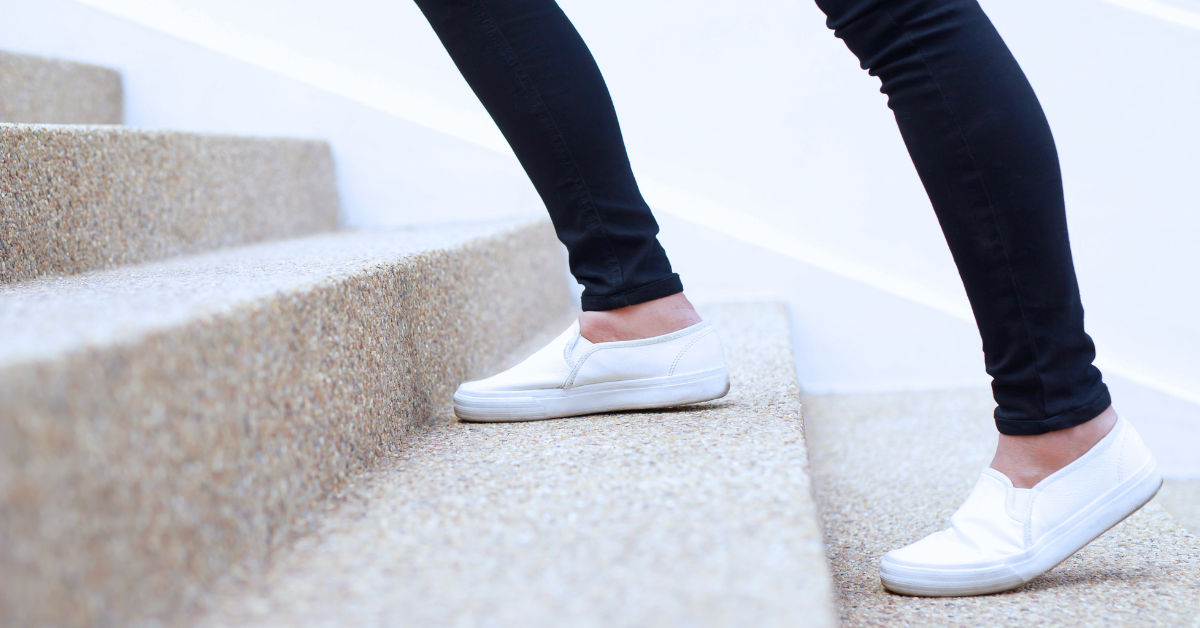
Best Knee Cap for Climbing Stairs Without Knee Discomfort
*Collaborative Post
Climbing stairs is a part of everyone’s life. But not for those dealing with knee pain, climbing a few steps for those can become difficult. Climbing stairs actually means bending the knee as well as supporting the whole weight of the body. If there is pain or instability in the joint, climbing stairs can lead to discomfort, stiffness or a sensation of pressure around the knee.
Yes, wearing a properly fitted knee cap can help provide users with extra compression, warmth or stability to keep knee bones together while standing and moving.
But, for climbing stairs, the best knee cap selection actually varies on the reason for your discomfort, the level of support you need as well as how comfortably the support allows your knee to move.
A knee cap should be the part of a broader approach that may include appropriate exercise, activity modification and professional medical advice.
Why Knees Hurt While Climbing Stairs?
Climbing stairs literally involves more stress on the knee joint compared to walking. The knee repeatedly bends as well as straightens while supporting the weight of your body. This can intensify any existing discomfort. Following are the common reasons for knee discomfort while climbing stairs can include:
- Muscle weakness around the knee
- Overuse or repetitive tasks
- Any past knee injury
- Kneecap-related issues
- Joint stiffness
- Osteoarthritis
- Poor movement mechanics
- Lack of physical conditioning
Those who suffer from knee pain mainly while going upstairs. There are individuals who experience trouble while descending stairs, standing or walking for extended periods.
How Knee Cap Helps During Stair Climbing?
For many users, a knee cap can actually make movement feel more comfortable and controlled. The use of compression might offer a snug feeling around the joint. Whereas, a more structured knee cap offers extra support when the knee feels unstable.
The more support does not automatically mean better results. But an overly tight best knee cap for pain relief can stop your comfortable movement. It may not be suitable for climbing stairs normally.
Ideally, you want something that strikes the right combination of support, cushioning, flexibility and support.
Different Types of Knee Caps for Stair Climbing
Various types of knee supports actually serve different purposes. Understanding their characteristics will be helpful to narrow down the most suitable option.
| Type of Knee Cap | Key Feature | Support Level | Best Suited For |
| Compression knee sleeve | Lightweight compression and warmth | Low to moderate | Mild discomfort and everyday activities |
| Patella-support knee cap | Focuses support around the kneecap | Moderate | Certain kneecap-related discomfort |
| Adjustable strap support | Allows targeted adjustment | Moderate | Users wanting customizable pressure |
| Hinged knee brace | Provides additional structural stability | Moderate to high | Certain instability or injury-related needs |
| Rigid or specialized brace | Maximum structural support | High | Any medical or post-injury situations |
If someone is using a knee cap on a regular basis while climbing stairs, a light or moderately supportive option may be more comfortable than a highly rigid knee cap. Unless your doctor has recommended stronger stabilization.
What Makes a Knee Cap Good for Climbing Stairs?
● Comfortable Fit
● Flexibility
● Appropriate Compression
● Stability
● Breathable Material
Choosing a Knee Cap Based on Your Knee Concern
There is no universal best knee cap. The most suitable option depends on your specific concern.
| Knee Concern | Features to Consider | What to Keep in Mind |
| Mild discomfort on stairs | Lightweight compression | Focus on comfort and flexibility |
| Kneecap-area discomfort | Patella-focused support | Consider assessment if symptoms continue |
| Feeling of mild instability | Moderate structural support | The support should not restrict normal movement |
| Previous knee injury | Structured or hinged support | Follow professional recommendations |
| Joint-related discomfort | Supportive design as appropriate | Exercise and overall management remain important |
| Long periods of stair use | Lightweight, breathable construction | Avoid too much tightness and rubbing |
Common Mistakes to Avoid While Choosing a Knee Cap
There are a number of errors that people make when purchasing as well as while utilizing knee supports.
● Choosing the Tightest Option
An excessively tight knee cap might seem supportive at first, but the excessive pressure can make it uncomfortable to wear.
● Ignoring the Size
In case, the knee cap is not the right size. It may slip or create areas of uncomfortable pressure.
● Choosing Too Much Support
A highly structured brace may not be necessary for simple stair climbing. Excessive artificiality can hinder natural movement.
● Wearing It Despite Warning Signs
Pain, numbness, increased swelling or a burning sensation in the skin, none of these should be ignored.
● Using a Knee Cap Instead of Addressing the Cause
A knee support provides total relief, but the knee cap does not cure the issues that include muscle weakness, joint disease, injury or improper movement patterns.
When to Consult a Doctor?
Not every type of knee pain is recovered with a knee cap. Users should consider seeking professional advice if the knee pain:
- Continues for several weeks
- Repeatedly returns
- Becomes progressively worse
- Causes the knee to give way
- Is accompanied by significant swelling
- Started following an injury
- Makes it difficult to climb or descend stairs normally
- This prevents you from putting weight on your leg.
Conclusion
The knee cap for pain relief climbing stairs without any trouble is actually that suits your needs, provides comfortable support as well as allows the knee to move naturally.
For some aching, the use of a compression knee sleeve will ease the pain. If the knee does not feel stable, a knee cap with a strong design could be a better option.
However, bear in mind that the best knee cap works only as a support tool, not a complete solution. Engaging in suitable physical tasks, strengthening the muscles that support the knee, using the correct technique for climbing stairs as well as paying attention to persistent symptoms, all of these can help improve knee function.
*This is a collaborative post. For further information please refer to my disclosure page.
Related Posts:
Best Ways to Decorate Your Home with Dried Flowers

These days, we all want something that will last longer because everything seems instant and temporary. That’s why many people Read more
Why Exercise During Pregnancy Is Important

Gone are the days of taking it easy, sitting back with your feet up and eating for two... New research Read more
Tips for a Successful Bathroom Remodel

Remodeling your bathroom can be a refreshing upgrade that enhances both comfort and style. Whether you’re updating outdated fixtures or Read more
Our Engagement Story

*Collaborative Post We have recently celebrated our sixth wedding anniversary and even though I have previously written about our wedding Read more