Eco-Friendly Creative Hobbies for Families
*Collaborative Post
When you start trying to live more sustainably, you audit the obvious rooms first. The kitchen gets its refills and its compost caddy, the bathroom gets its bars and its bamboo, and you feel quite pleased with yourself. Then half term arrives, you panic buy a craft kit to fill a rainy afternoon, and by Friday the whole thing is in the bin, glitter and all. The craft cupboard was my eco blind spot for years, and I suspect I am not alone. It took an actual clear out, and the slightly horrifying bag of dried up pens and broken plastic that came out of it, for me to apply the same thinking to our hobbies that we apply to everything else in this house.
Kids’ craft kits are a waste trap dressed up as wholesome fun. Single use plastic parts, foam stickers that shed everywhere, glue pens that dry out, and glitter, which is essentially microplastic with good PR. Each kit entertains for one afternoon and leaves a little pile of landfill behind. As a family that tries to do better, our creative time needed the same rethink as our washing up.
What Makes a Hobby Genuinely Eco-Friendly
After a lot of trial and error, I now judge any new hobby purchase on four things. Does the main supply last, or is it used up in a weekend? Can the consumable parts be recycled or composted? Does it need batteries or a charger? And, honestly the most important one, will it hold everyone’s interest long enough to justify existing? The greenest craft supply in the world is still waste if it gets abandoned after one go.
Why Watercolour Painting Won Us Over
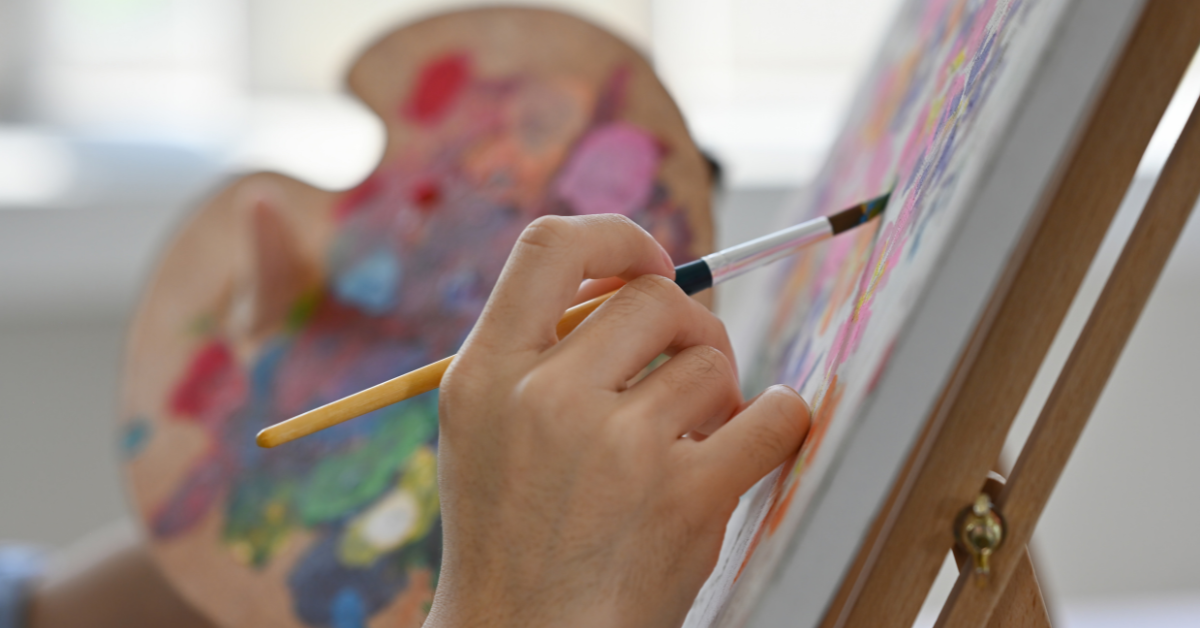
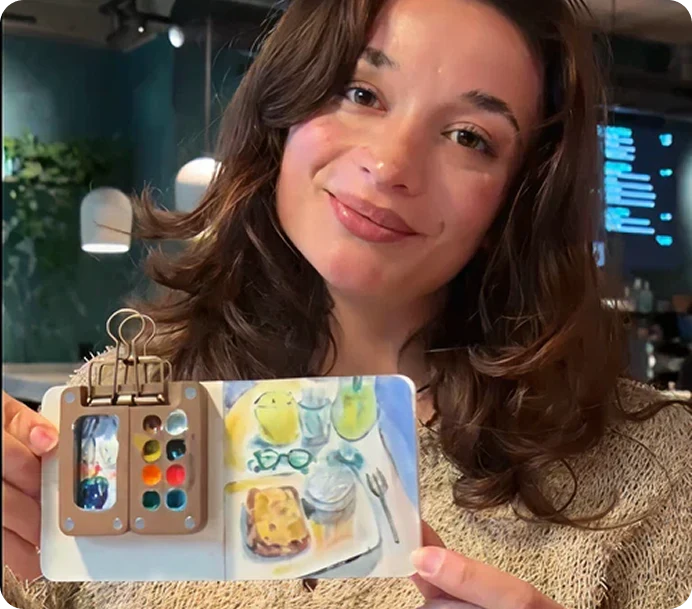
The swap that has actually stuck in our house is watercolour painting, and the more I think about it, the more it fits everything we try to do. A pan set is just solid cakes of pigment, no plastic tubes to squeeze out and throw away, and one set genuinely lasts for years of family use. When a single colour finally runs out, you replace that one pan rather than the whole set. Try doing that with felt tips, which dry out one by one and head to landfill because pen recycling is nobody’s idea of a fun errand.
The rest of the kit is just as low impact. Paper can be recycled or composted once it has been painted on both sides, and yes, we paint on both sides. Brushes last for ages if they are rinsed and stored properly, which even my two have managed to learn. There are no batteries, no charging cables, no app, and no plastic packaging refills arriving every month. It is about as close to a closed loop as family crafting gets.
The unexpected bonus is that it is one of very few activities that works for every age at the same table. The kids paint their masterpieces, I make my wobbly attempts at the garden, and everyone uses the same supplies. One kit instead of four separate boxes of age-specific craft tat is its own kind of decluttering win. The sums work out too. Our set cost about the same as two of those single use craft kits, and eighteen months later it is still going strong. Cost per rainy afternoon, it is comfortably the cheapest entertainment in the house apart from the library.
None of us had painted since school, so we started with the free watercolour painting for beginners tutorials from Tobios. They are short enough to hold the kids’ attention, they assume zero experience, which was accurate, and following one lesson a week has quietly turned into our Sunday afternoon ritual through the colder months.
Making It Even Greener
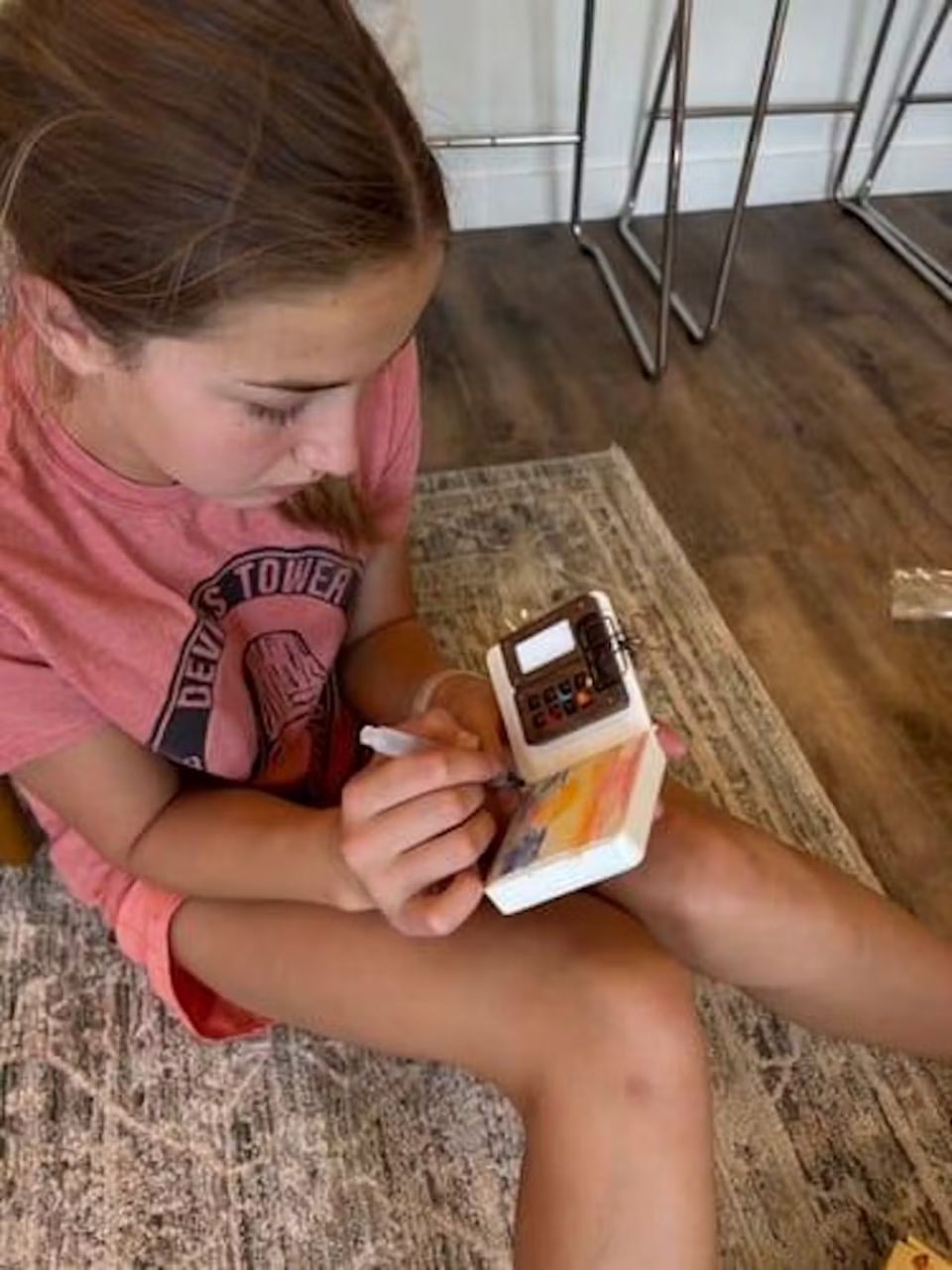
A few habits have pushed the whole thing further in the right direction. Junk mail and envelope backs became our practice paper, which the kids actually prefer because mistakes do not matter on a bank statement. Old shirts became aprons. Test scraps get used up as gift tags. Frames come from charity shops, and if you are choosing supplies, look for the greener details: wooden brush handles rather than plastic, paints in metal tins that can be recycled, and paper made from cotton rag or recycled fibre. And the kids insist on collecting rainwater for brush rinsing, which does absolutely nothing measurable for the planet but everything for their sense of involvement, so rainwater it is.
My favourite habit, though, is painting on our walks. We already spend half our weekends outdoors, so a small tin and a pad now come along, and the children paint what they find rather than picking it. A painted leaf beats a pressed one that goes mouldy in a drawer, and their nature paintings have become a sort of family diary of everywhere we have been this year.
The paintings themselves have solved another waste problem I did not expect: cards and gifts. Grandparents now receive original artwork instead of shop bought cards, which saves money and packaging and is met with roughly ten times the enthusiasm. The kids’ best paintings get framed in charity shop frames as presents. Nobody has missed the plastic tat.
An Honest Note
I will not pretend this is zero waste, because nothing really is. Paper still gets used, paint still gets made in a factory, and one of my children once used half a pan of blue on a single enthusiastic sky. But compared to the old craft cupboard of single use kits, dried out pens, and glitter I am still finding in the carpet, it is a dramatic improvement, and it cost less too.
The sustainable swaps that stick, I have found, are never the ones that feel like sacrifice. They are the ones that turn out to be nicer than what they replaced. This one is nicer. The house is calmer, the bin is lighter, and the fridge gallery has never looked better. If your craft cupboard is due the same audit ours got, this is the swap I would start with.
*This is a collaborative post. For further information please refer to my disclosure page.
Related Posts:
7 Air Purifying Plants That Will Help To Improve Your Home

Did you know that the air quality inside of your home can be just as bad as outside? Pollution can Read more
5 Ways to Save Money on Solar Inverters Without Compromising Quality

You’ve gone solar—yay! Whether it’s the earth, the savings or just keeping up with your neighbor who’s installed a new, Read more
My Top 5 Essential Oils For Cleaning

I started to make my own cleaning products last year because I became very aware of how much plastic waste Read more
13 Natural Teething Remedies to Help Your Baby

Are you in the throes of teething? I am, for the second time... sigh. He only has 2 at the Read more