Eco-Friendly Gift Boxes for Every Occasion: From Birthdays to Weddings With a Conscience
*Collaborative Post
There’s a moment that happens after almost every celebration.
The cake has been eaten, the toasts have been made, the music has faded. And there, in the corner of the room, or worse, overflowing from the recycling bin that clearly wasn’t big enough, is a mountain of wrapping paper, tissue, plastic ribbon, foam inserts, and glossy boxes that will spend the next four hundred years in a landfill.
It’s a strange footnote to a joyful occasion. And increasingly, it’s one that people are no longer comfortable ignoring.
The good news? Eco-friendly gift boxes have evolved far beyond the brown kraft paper and apologetic aesthetic that once defined “sustainable gifting.” Today’s green gifting options are genuinely beautiful; thoughtfully designed, luxuriously presented, and crafted in ways that honor both the recipient and the planet they live on.
Whether you’re celebrating a birthday, a wedding, a new baby, a holiday, or simply wanting to say thank you in a way that means something, this guide covers everything you need to know about building eco-friendly gift boxes for every occasion. Because gifting with a conscience shouldn’t mean sacrificing style, warmth, or the particular magic of opening something that was clearly made with love.
Why Eco-Friendly Gift Boxes Matter More Than You Might Think
Before we get into the beautiful part – the boxes, the fillers, the products worth including – it’s worth spending a moment on the why. Because understanding the impact of conventional gift packaging makes the switch to sustainable alternatives feel less like a trend and more like an obvious choice.
The numbers around gift wrapping waste are genuinely staggering. In the United States alone, an estimated 4.6 million pounds of wrapping paper ends up in landfills every year, much of it during the holiday season, but the problem extends across birthdays, weddings, baby showers, and every other occasion that calls for a wrapped present. The majority of conventional wrapping paper cannot be recycled due to metallic coatings, glitter, dyes, and plastic lamination. Ribbons are almost universally non-recyclable. Glossy gift boxes lined with foam inserts are virtually impossible to break down.
Then there’s the carbon footprint of production and shipping, the virgin paper pulp, the petroleum-based inks, the single-use plastics.
The individual impact of changing your gifting habits isn’t world-altering on its own. But collectively, and culturally, the shift toward eco-conscious gifting sends a signal. It communicates values. It starts conversations. And it has a way of spreading: when guests at a wedding receive a beautifully curated sustainable gift box, they remember it. They talk about it. They start thinking differently about their own gifting choices.
That ripple effect is part of the gift too.
The Anatomy of a Truly Eco-Friendly Gift Box
Not all “eco-friendly” packaging deserves the label. Greenwashing (the practice of marketing products as sustainable without meaningful evidence) is rampant in the gifting industry. So before building or buying an eco-friendly gift box, it helps to understand what genuine sustainability actually looks like at each layer.
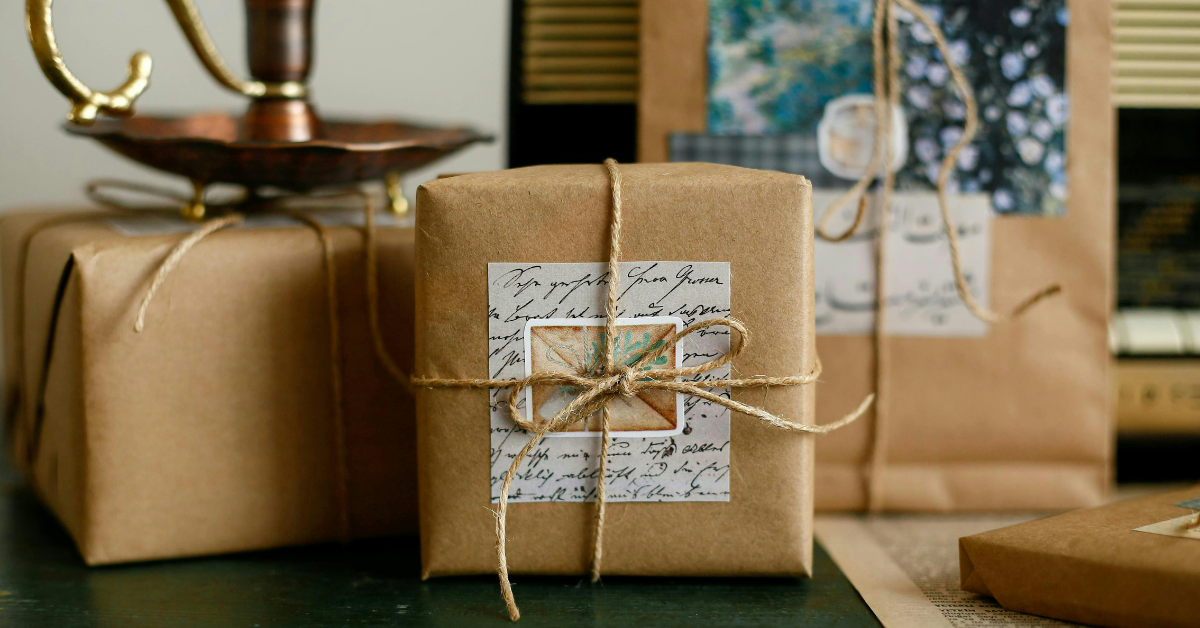
The box itself: Look for boxes made from recycled cardboard or FSC-certified paperboard (the FSC label means the paper comes from responsibly managed forests). Avoid boxes with glossy lamination, foil accents, or plastic windows; these elements make the box non-recyclable even if the base material is cardboard. Kraft boxes, seed paper boxes (which can be planted after use), and boxes made from recycled materials are all excellent choices.
The filler: This is where a lot of well-meaning gift givers go wrong. Conventional tissue paper is often not recyclable. Plastic shredded filler is an environmental disaster. The good alternatives include shredded recycled paper, crinkle paper made from kraft or recycled newspaper, dried botanicals (lavender, dried flowers, dried herbs), fabric scraps, or even moss for a particularly organic aesthetic.
The wrapping and finishing: Swap plastic ribbon for natural twine, cotton ribbon, or raffia. Replace conventional tissue paper with recycled tissue, fabric gift wrap (furoshiki, the Japanese cloth-wrapping technique, is beautiful and completely reusable), or pages from old books or vintage maps. Skip the plastic tape in favor of paper tape or wax seals.
The products inside: The most sustainable gift box is one where the contents are also thoughtfully chosen – organic, ethically made, locally sourced, plastic-free, or designed to last rather than be used once and discarded.
When all four layers align, you have a gift box that is genuinely eco-conscious from the outside in.
Eco-Friendly Gift Boxes for Birthdays
Birthdays call for celebration, personality, and a little indulgence, and eco-friendly gift boxes can deliver all three without compromise.
The key to a great birthday eco-box is leading with the recipient’s specific interests and curating around them with sustainable versions of things they already love. Generic is the enemy of memorable, and this is especially true when you’re working with a more intentional gifting framework.
Ideas for a nature-loving birthday recipient:
A kraft gift box lined with crinkle kraft paper, filled with: a beeswax candle from a small-batch candlemaker, a bar of cold-process soap with botanical inclusions, a packet of heirloom wildflower seeds, a linen sachet filled with dried lavender, and a small jar of local honey. Tie the box with natural jute twine and tuck in a sprig of dried eucalyptus.
For the self-care enthusiast:
A recycled cardboard box wrapped in fabric and tied with cotton ribbon, containing: a bamboo dry brush, a glass bottle of organic face oil, a reusable cotton round set, a solid shampoo bar, and a hand-poured soy candle. Finish with a handwritten card on seeded paper they can plant afterwards.
For the food and kitchen lover:
A sturdy kraft gift box filled with: a set of beeswax food wraps (reusable alternatives to cling film), a small bottle of artisan hot sauce or local olive oil, a bag of single-origin coffee or loose-leaf tea in compostable packaging, and a natural dish brush with wooden handle. Practical, beautiful, and zero plastic in sight.
Presentation tip for birthdays: Lean into color through the filler rather than the packaging. Dried flowers in deep plum and gold, or green moss with pale pink dried rosebuds, create visual drama without synthetic materials.
Eco-Friendly Gift Boxes for Weddings
Weddings occupy a unique space in the gifting world. The scale is larger, the formality is higher, and the expectation of beauty is significant. Eco-friendly wedding gifting, whether you’re a guest choosing a present or a couple curating wedding favors, requires a slightly different approach.
Wedding favors with genuine staying power:
The most sustainable wedding favor is one guests will actually keep and use, rather than leaving behind on the table or discarding a week later. A small seed paper packet with personalized printing that guests can plant in their garden. A tiny pot of locally sourced honey with a custom label. A single beautifully wrapped beeswax taper candle tied with cotton twine and a sprig of rosemary. A packet of artisan loose-leaf tea with a note about the blend.
These favors are small, meaningful, biodegradable, and communicate something about the couple’s values, which is far more memorable than a monogrammed keychain in a plastic bag.
Wedding gift boxes from guests:
If you’re attending a wedding and want to give something beyond the registry, a curated eco-friendly gift box is a genuinely thoughtful option. Consider a “home and nest” theme: organic linen tea towels, a hand-thrown ceramic dish, a jar of artisan jam, a beeswax candle, and a small bottle of locally made olive oil, all packed in a reusable basket or a kraft gift box with dried flower filler.
The presentation matters enormously for wedding gifts. Consider wrapping the box in a square of beautiful organic cotton fabric in a color that suits the couple’s aesthetic (furoshiki style) rather than conventional wrapping paper. It’s striking, zero-waste, and the fabric itself becomes part of the gift.
For the eco-conscious couple’s gift table: Offer a charitable donation card alongside any physical gift, a contribution to a reforestation organization, an ocean cleanup initiative, or a land conservation trust, framed as an addition to your physical gift. Couples who care about sustainability tend to find this deeply meaningful.
Eco-Friendly Gift Boxes for Baby Showers
New babies mean new beginnings, and an increasing number of parents are beginning those new chapters with a strong commitment to reducing their environmental footprint. An eco-friendly baby gift box speaks directly to those values while celebrating the arrival of a new life.
The baby product category has seen a genuine revolution in sustainable options over the past several years. Organic cotton, natural rubber, untreated wood, and non-toxic dyes have become genuinely mainstream in baby products, making it easier than ever to build a beautiful, baby-safe, eco-conscious gift box.
Building a sustainable new baby gift box:
Start with a natural woven basket or a simple kraft gift box as your base. Fill with crinkle kraft paper or dried pampas grass for texture. Then layer in:
- Organic cotton muslin swaddles — endlessly useful and available in beautiful natural dye colors
- A natural rubber teether — free of BPA, PVC, and synthetic coatings
- Organic beeswax baby balm — for dry skin, cradle cap, or nappy rash
- A hand-knitted or crocheted toy from natural fibers. These tend to become beloved objects held onto for years
- A packet of chamomile or lavender tea for the new parents — because they need love too
- A beeswax candle for the parents, in a calming scent
Finish with a card on seeded wildflower paper and a ribbon made from natural cotton or jute.
What to avoid in baby gift boxes: Conventional plastic toys with unknown material sourcing, synthetic fragrance products, and non-organic textiles treated with pesticide residues, all common in conventional baby gift sets and all worth steering clear of when you’re being intentional.
Eco-Friendly Gift Boxes for Christmas and the Holidays
The holiday season is where gifting waste reaches its annual peak, and where the opportunity for meaningful change is greatest. Building eco-friendly holiday gift boxes doesn’t require abandoning the warmth and abundance that makes the season special. It just requires a little intentionality about materials and sourcing.
The sustainable holiday gift box aesthetic:
Think warm kraft tones, natural textures, sprigs of fresh pine or dried orange slices tucked alongside the gifts, cotton twine tied in a simple bow, and a wax seal on the tag. This aesthetic is not only beautiful, but it’s also arguably more evocative of traditional, old-world Christmas than the glossy synthetic wrapping that became standard in the twentieth century.
Holiday eco-gift box ideas by recipient:
For her: A kraft box wrapped with a linen ribbon, containing a soy or beeswax candle in a winter scent (cedarwood, clove, black pepper), a bar of luxury cold-process soap, an organic lip balm, a small bottle of facial oil, and a handwritten recipe for mulled wine on a recycled card.
For him: A natural cotton drawstring bag or kraft box filled with: a set of organic cotton handkerchiefs (a beautiful, reusable alternative to tissues), a bar of natural shaving soap, a wooden-handled razor, a jar of local hot sauce or artisan mustard, and a bag of specialty coffee in compostable packaging.
For the home: A reusable linen bag or woven basket containing a set of beeswax food wraps, a natural soy candle, a bottle of organic olive oil, a pack of eco-friendly fire starters for the fireplace, and a set of linen napkins. Everything practical, everything beautiful, nothing disposable.
A note on holiday wrapping: Consider replacing all conventional wrapping paper this season with one of the following: pages from old atlases or vintage books (gorgeous and completely unique), brown kraft paper stamped with a simple potato or lino print, fabric squares in festive prints used furoshiki-style, or plain recycled tissue paper finished with a dried sprig and twine.
Eco-Friendly Gift Boxes for Thank You and Appreciation Gifts
Some of the most meaningful gifting occasions aren’t the big calendar events; they’re the quieter ones. A thank you for a colleague who went above and beyond. An appreciation box for a teacher at the end of the year. A gesture of gratitude for a friend who showed up when it mattered.
These gifts don’t need to be large or expensive. They need to feel considered.
A simple, beautiful thank you eco-box:
A small kraft gift box with crinkle paper filler, containing: a single hand-poured candle in a glass jar, a packet of specialty tea, a small bar of artisan chocolate wrapped in foil or paper, and a handwritten note on recycled card. Tied with natural twine and a dried flower stem.
This gift takes under thirty minutes to assemble, costs relatively little, produces almost no waste, and communicates genuine warmth and thoughtfulness in a way that a gift card simply cannot replicate.
For teacher appreciation: Add a small succulent in a terracotta pot, a set of recycled pencils, or a packet of wildflower seeds to your thank you box. These small additions make the gift feel personal and specific in a way that resonates with educators who receive many generic gifts.
Where to Source Eco-Friendly Products for Your Gift Boxes
Building beautiful eco-gift boxes is made significantly easier when you know where to look for quality sustainable products. A few categories worth exploring:
For sustainable packaging: EcoEnclose, The Better Packaging Co., and Noissue all offer beautiful, genuinely eco-conscious boxes, mailers, and tissue paper. Many Etsy sellers also offer kraft gift boxes, seed paper cards, and natural packaging materials at accessible price points.
For the products inside: Prioritize small-batch, independent makers who use natural materials and ethical production. Farmers markets are an excellent source of local honey, artisan candles, cold-process soaps, and preserved foods. Look for certified organic, B Corp certified, or Fair Trade labels when buying from larger brands. Zero-waste shops and plastic-free online retailers curate products specifically for eco-conscious shoppers.
For fillers and finishing touches: Dried botanicals from florists or craft shops, crinkle kraft paper from packaging suppliers, natural twine from hardware or garden stores, and cotton ribbon from fabric shops; these materials are widely available, affordable, and make an enormous difference in presentation.
A Few Guiding Principles for Eco-Friendly Gifting
As you build your practice of eco-conscious gifting, a few principles are worth keeping close:
Quality over quantity. A single beautifully made candle or a perfect jar of artisan honey communicates more care than a box stuffed with many mediocre items. Fewer, better things is always the right instinct in sustainable gifting.
Local first. Choosing locally made products reduces shipping emissions, supports independent makers, and often results in more interesting, distinctive gifts than mass-produced alternatives.
Reusability is the highest form of sustainability. The most eco-friendly packaging is packaging that gets used again. A woven basket, a ceramic bowl, a linen bag, a beautiful tin, any of these as the “box” eliminates the packaging waste question entirely, because the container itself becomes part of the gift.
Presentation is never a compromise. Beautiful and sustainable are not opposites. Some of the most visually striking gift presentations are the ones that lean into natural materials such as kraft, linen, dried botanicals, twine, and wax, rather than the synthetic gloss of conventional gift wrapping.
Final Thoughts: Gifting as an Act of Values
The gifts we give are small expressions of what we believe. They communicate what we think matters, what we notice about the people we love, and what kind of world we’re trying to build, one celebration at a time.
Eco-friendly gift boxes aren’t a sacrifice. They’re not a compromise between beautiful and responsible. At their best, they are more beautiful, more personal, and more meaningful than conventional alternatives because the intentionality required to build them shows up in the finished product in ways that people can feel, even when they can’t quite articulate why.
From birthdays to weddings, from baby showers to holiday mornings, from quiet thank-yous to grand gestures, every occasion is an opportunity to give in a way that honors both the person receiving the gift and the world they live in.
That’s not a constraint.
That’s the whole point of giving something beautiful.
*This is a collaborative post. For further information please refer to my disclosure page.
Related Posts:
Sneak Peek Inside The New Beeutiful Bee Subscription Box

*Ad Beeutiful Skincare is a brand that I love and use every single day. Their eco-friendly, cruelty-free, locally made products Read more
Sustainable Tomorrow Zen Bamboo Electric Toothbrush Review

*Ad As someone who is always on the lookout for sustainable alternatives to everyday products, I was intrigued when I Read more
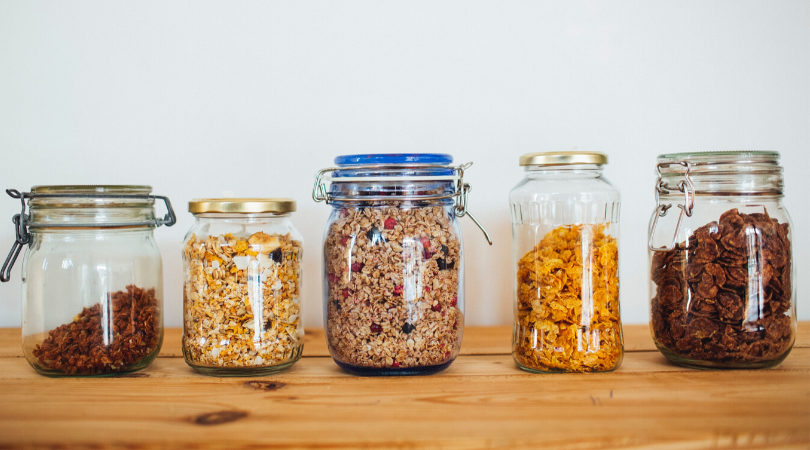
23 Simple Ways To Reduce Your Household Waste
Reducing our household waste has been an ongoing process for the last 2 years and even though it all comes Read more
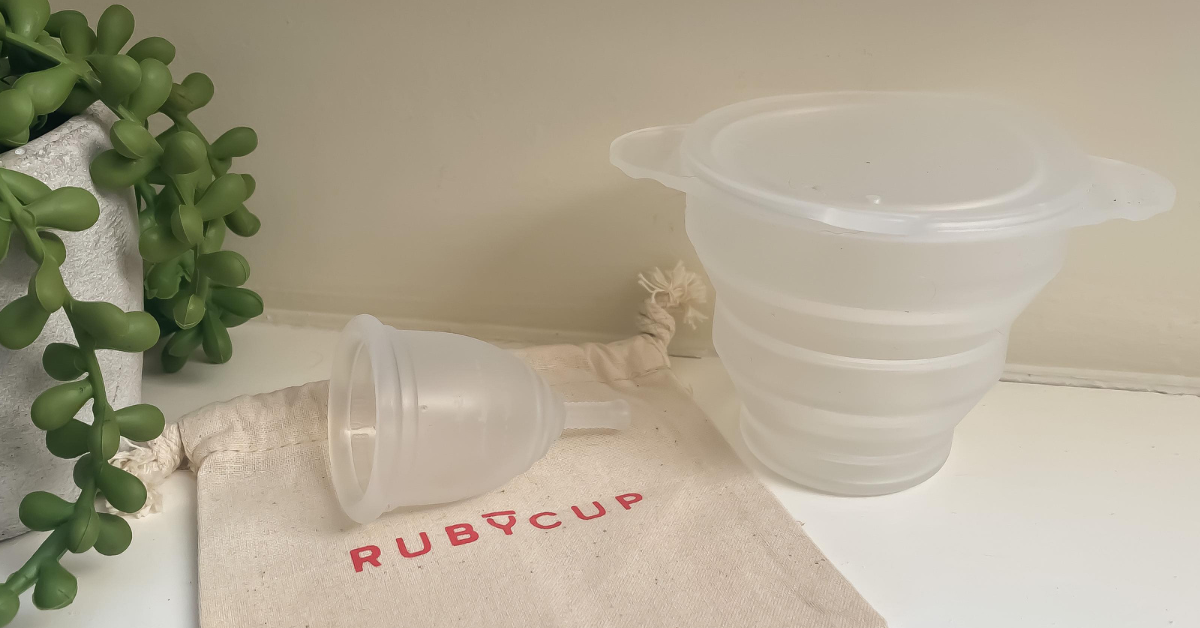
The Safe Alternatives to Tampons
*Affiliate Links The recent alarming news about tampons containing harmful substances such as lead and arsenic has created quite a Read more