
Fertiliser Spreaders: A Practical Guide to Improving Soil Nutrition and Crop Growth
*Collaborative Post
Introduction
Maintaining healthy soil is one of the most important aspects of successful farming and land management. Crops need a balanced supply of nutrients to grow properly, develop strong root systems, and produce consistent yields. However, applying fertiliser effectively requires more than simply distributing it across a paddock. The amount applied, the timing, and the evenness of coverage can all influence how well nutrients are used.
Fertiliser spreaders play an important role in this process by helping farmers distribute granular or other suitable fertiliser products across agricultural land. Whether managing broadacre cropping areas, pastures, or other rural properties, understanding how fertiliser spreaders work can help landholders make more informed decisions about soil fertility and farm productivity.
1. What Are Fertiliser Spreaders?
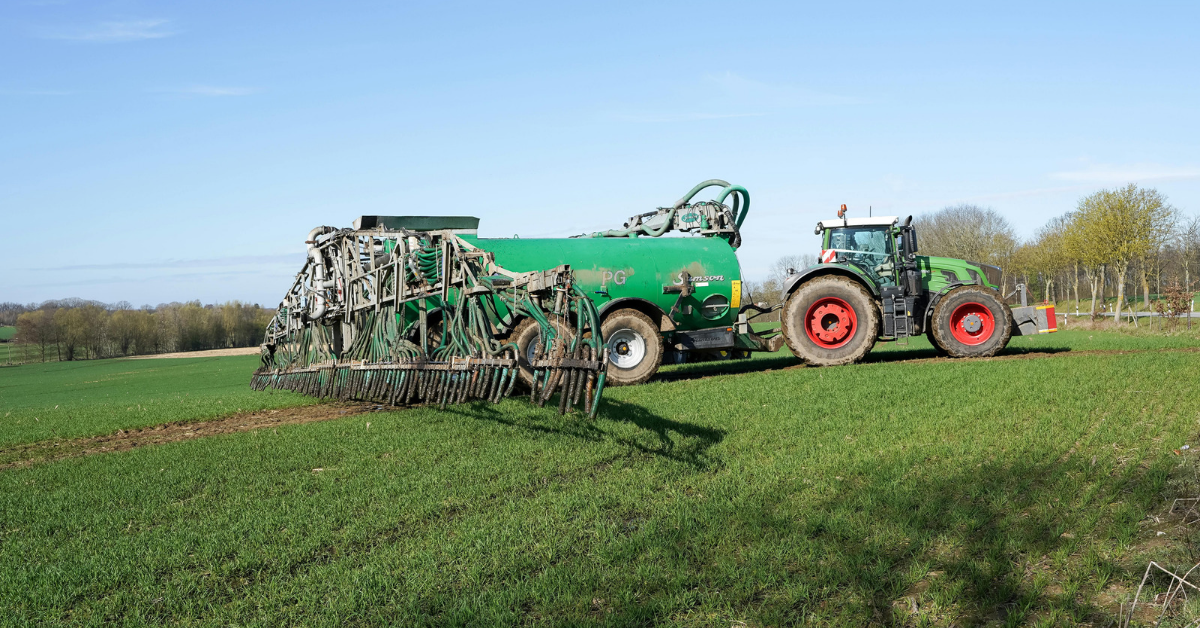
Fertiliser spreaders are agricultural machines designed to distribute fertiliser over a designated area. Depending on the equipment, they may spread granular fertiliser, lime, or other suitable soil amendments.
These machines come in different sizes and configurations to suit various farming operations. Smaller spreaders may be appropriate for limited areas, while larger, tractor-mounted or trailed equipment can cover extensive paddocks more efficiently.
Professional fertiliser spreading services can also be useful for properties that require specialised equipment, large-scale applications, or support during busy periods of the farming season.
2. Why Even Fertiliser Distribution Matters
The effectiveness of fertiliser depends partly on how evenly nutrients are distributed across the soil.
More Consistent Crop Growth
When fertiliser is applied unevenly, some areas may receive too few nutrients while others receive more than necessary. This can result in inconsistent crop development, uneven pasture growth, and variations in yield.
Accurate spreading helps provide a more uniform nutrient supply, although the final results also depend on soil conditions, weather, crop requirements, and the type of fertiliser used.
Better Nutrient Management
Applying fertiliser at an appropriate rate helps farmers manage nutrient inputs according to the needs of their land. Soil testing and nutrient planning can identify deficiencies and reduce unnecessary applications.
Reduced Nutrient Loss
Excessive or poorly timed fertiliser application can increase the risk of nutrients moving away from the intended area through runoff, leaching, or wind drift. Suitable spreading techniques, weather awareness, and appropriate application rates can help reduce these risks.
3. Different Types of Fertiliser Spreading Equipment
The right equipment depends on the size of the property, the fertiliser being applied, and the required level of accuracy.
Broadcast Spreaders
Broadcast spreaders distribute fertiliser across a relatively wide area, often using rotating discs or similar mechanisms. They are commonly used for pasture management and broadacre applications where wide coverage is beneficial.
Correct calibration and suitable operating conditions are important to maintain consistent distribution.
Drop Spreaders
Drop spreaders release fertiliser directly beneath the machine through controlled openings. They can provide more defined application coverage, making them suitable for particular smaller-scale or targeted applications.
However, their working width is generally narrower than that of many broadcast spreaders.
Tractor-Mounted and Trailed Spreaders
These spreaders are designed to work with agricultural tractors. Mounted equipment is attached directly to the tractor, while trailed models are pulled behind it.
They are useful for a range of farming operations, with capacity and working width varying according to the machine.
Specialist Spreading Equipment
Some agricultural applications require specialised machinery or spreading methods. The choice may depend on terrain, fertiliser characteristics, paddock size, and whether the operation involves pasture improvement, crop nutrition, or soil amendment.
4. Factors to Consider Before Spreading Fertiliser
A successful application starts with planning. Several factors can influence the effectiveness and efficiency of fertiliser spreading.
- Soil nutrient levels: Soil testing helps establish which nutrients are required and in what quantities.
- Crop or pasture requirements: Different plants have different nutritional needs depending on their growth stage and production goals.
- Paddock size and terrain: Large, open paddocks may require different equipment from uneven or restricted areas.
- Fertiliser type: Particle size, density, moisture content, and flow characteristics can affect spreading performance.
- Weather conditions: Strong winds and heavy rainfall can interfere with application accuracy or increase nutrient loss.
- Application rate: The correct rate should be based on agronomic recommendations rather than guesswork.
- Equipment calibration: Calibrating the spreader helps ensure the intended quantity is applied over the designated area.
Considering these factors before starting can reduce wasted inputs and improve the consistency of the operation.
5. The Importance of Timing
Fertiliser timing can influence how effectively crops and pastures use available nutrients. Applications are generally most useful when nutrient availability aligns with plant demand and suitable growing conditions.
For example, nutrient requirements may increase during periods of active growth. However, the ideal timing varies according to the crop, soil type, fertiliser formulation, rainfall patterns, and local farming conditions.
Applying fertiliser immediately before heavy rain may increase runoff risks in some situations. Likewise, spreading during windy conditions can reduce accuracy, particularly when fertiliser particles are easily carried away from the target area.
Farmers should consider seasonal conditions and local agronomic advice when scheduling applications.
6. Professional Fertiliser Spreading: When Can It Help?
Managing fertiliser spreading independently can be practical for some properties, but larger or more complex operations may benefit from professional assistance.
Professional spreading services may be worth considering when:
- Large paddocks need to be treated within a limited time.
- Specialised machinery is required.
- Existing farm equipment cannot achieve the desired application rate or coverage.
- Seasonal workloads make it difficult to complete spreading in-house.
- A property requires coordinated fertiliser application across multiple paddocks.
When evaluating a service, it is helpful to understand the equipment available, the types of fertiliser handled, the property’s access requirements, and how application rates are determined.
7. Common Fertiliser Spreading Mistakes to Avoid
Several avoidable mistakes can affect the results of a spreading operation.
- Skipping soil tests: This can lead to unnecessary applications or unresolved nutrient deficiencies.
- Ignoring calibration: Incorrect settings may result in over-application or under-application.
- Spreading in unsuitable weather: Wind and heavy rainfall can compromise application accuracy and nutrient retention.
- Overlooking paddock conditions: Wet ground, uneven terrain, and obstacles may affect machinery access and distribution.
- Applying a one-size-fits-all rate: Different paddocks may have different nutrient requirements.
- Failing to keep records: Recording application rates, dates, products, and paddock locations supports future planning.
Avoiding these problems can improve nutrient management and help farmers make better use of fertiliser inputs.
Conclusion
Fertiliser spreaders are valuable tools in modern agriculture, helping farmers distribute nutrients across paddocks and manage soil fertility more efficiently. However, effective fertiliser spreading depends on more than machinery alone. Soil testing, suitable equipment, accurate calibration, appropriate timing, and responsible application rates all contribute to better outcomes.
By understanding these factors, landholders can make informed decisions about their fertiliser programs, support healthy crop and pasture growth, and reduce avoidable nutrient losses. Whether spreading fertiliser independently or using a professional service, careful planning remains essential for productive and sustainable land management.
*This is a collaborative post. For further information please refer to my disclosure page.
Related Posts:
Better Buddies: Improving Your Relationship With Your Dog

*Collaborative Post A relationship we can have with any pet is a bond that can't be broken but there can Read more
Finding Out What Style of House Is Best for You: A Guide

If you’ve been starting to think about moving out into a new home, then you probably already know what an Read more
Sydney’s Top 5 Best Disability Care Companies

For your loved ones who need extra support, choosing the right disability care provider is one of the most important Read more
Retail and sustainability post-Covid: Mother Nature Speaks

*Collaborative Post With talks of a second wave, the Coronavirus pandemic is not quite over yet. And even when it Read more