
Helping Children Feel Calm About Dental Appointments
*Collaborative Post
Dentist appointments can make many children feel uneasy, often leading to stress for both young patients and parents. Understanding and managing this anxiety may encourage lifelong dental health and support confidence in oral care routines. Practical strategies at home and at the clinic can help make every dental visit smoother and less daunting for families.
Children commonly develop dental anxiety through personal experience or stories from others, sometimes before ever entering a dental clinic. Establishing comfortable and predictable dental visits is important for encouraging long-term oral hygiene and reducing stress for all family members, whether you see a general clinic or a private dentist in Warrington. Helping your child prepare for a dental appointment can reduce fear and help them build positive associations from a young age. This approach supports smoother appointments and can encourage better oral care habits that may last into adulthood.
Setting a relaxed tone and clear expectations at home
Start conversations about dentist visits using straightforward, neutral language rather than addressing fears directly. For instance, describe upcoming appointments by naming what generally happens, such as getting teeth counted or cleaned, so that the process sounds routine and manageable.
Encourage children to ask questions and respond with honest, simple answers. Avoid promising that nothing will hurt, as this can undermine trust if a moment of discomfort does arise. Instead, let your child know dentists are there to help keep their teeth healthy.
Planning appointments and routines that support success
Choose appointment times that suit your child’s energy levels, such as mornings when they are usually well-rested and have eaten recently. Try to keep the day’s schedule light around the visit to prevent additional stress or hurry, as this allows your child to approach the appointment at their own pace.
Bringing a familiar comfort item, like a soft toy or favourite book, can help provide reassurance in the dental environment. If your child benefits from additional soothing, headphones with quiet music or audiobooks may offer distraction during waiting periods.
Introducing coping tools and addressing sensitivities ahead of time
Simple coping strategies, like practising deep breathing, can empower children. Younger children often respond well to techniques such as “smell the flower, blow the candle,” giving them concrete steps to manage nerves in the chair.
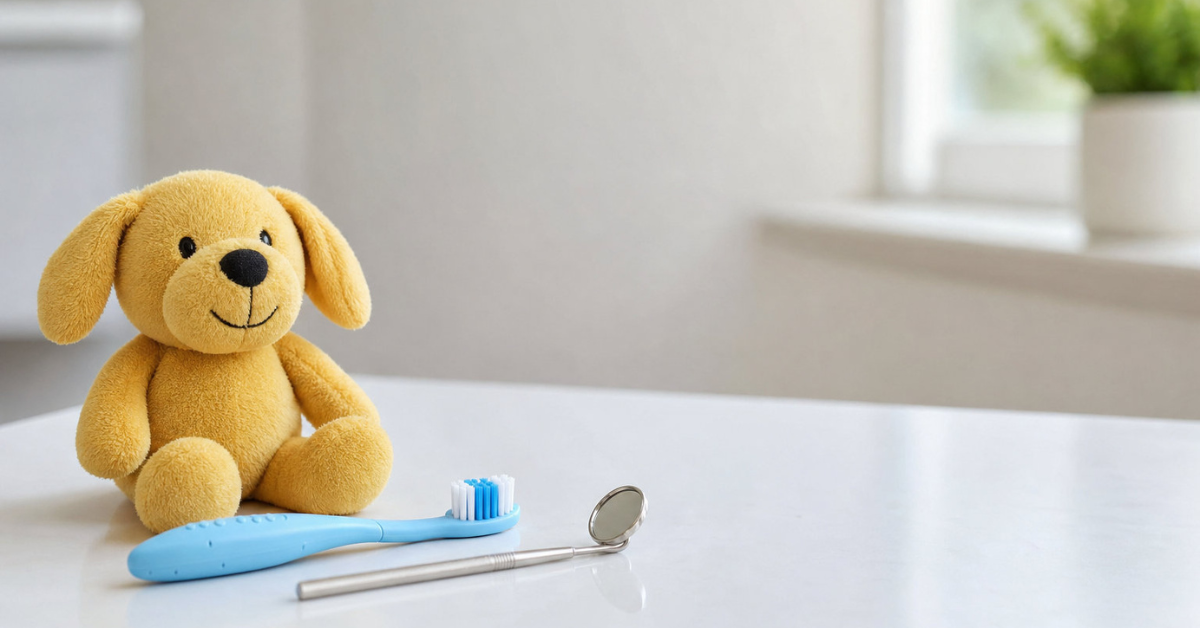
Role-playing a dental visit with a toothbrush and mirror at home gives your child the chance to become more comfortable with the process. For children who are sensitive to sensory experiences, discussing bright lights, unusual sounds, or the feeling of dental tools in advance can also be helpful.
Orthodontists can offer advice tailored to particularly anxious or sensory-sensitive children, fostering a supportive environment that builds trust over time. This type of guidance may be discussed with orthodontists in Reading as part of a broader dental care plan for children who need additional support.
Building confidence with choice, control, and positive support
Offering your child limited, realistic choices during dental visits can help them feel involved and less powerless. They might decide which flavour toothpaste to use, or whether to sit on their own or with you by their side, if the practice allows.
Agree on a simple hand signal before the appointment to let the dentist know if your child wants a break. Focusing on teamwork rather than bravery encourages a sense of partnership, making the visit less about performance and more about working together to keep teeth healthy.
Supporting children and addressing persistent anxiety
In the appointment, your own calm behaviour may make a significant difference. Avoid excessive reassurance, which can inadvertently signal something is wrong, and instead offer calm praise when your child follows instructions or copes with something new.
If dental anxiety continues, such as ongoing sleep difficulties before visits, panic, or persistent refusal, extra support from clinicians may be helpful. Longer or gradual desensitisation appointments can allow your child to get used to the environment without pressure, helping to foster confidence and reduce anxiety over time.
With preparation, clear communication, and respectful involvement, children can learn to approach dental appointments with far less fear. Positive language and thoughtful planning help transform routine checkups into manageable, supportive experiences for the whole family.
*This is a collaborative post. For further information please refer to my disclosure page.
Related Posts:
Amazing Things You Can Do With Your Kids This Summer

*Collaborative Post Okay, so the global pandemic might have put the kibosh on your holiday plans for at least a Read more
Sleep Deprivation Is A Bitch!

You may have noticed that I have moaned about being tired quite a lot in the last year, yeah? Well, Read more
How to Protect Your Child’s Skin from the Sun

When summer comes around it is inevitable that children will want to bask and play in the sun. While this Read more
Our New Routine: The Start of Pre-School

You may remember how just over a month ago I was upset at the thought of losing my little guy Read more