
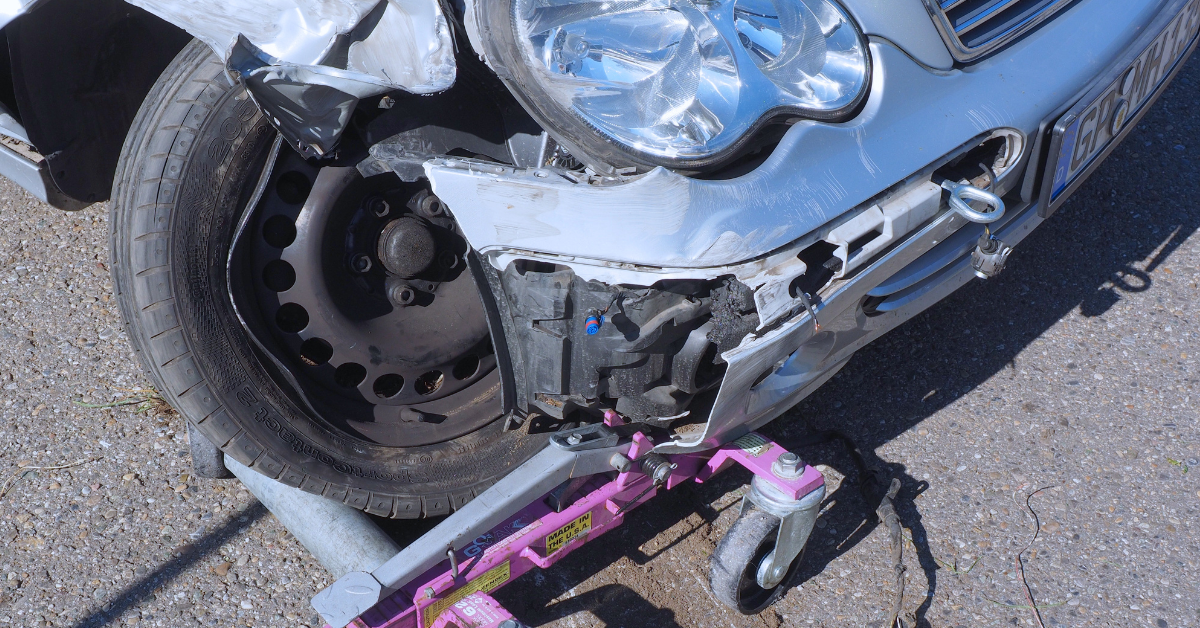
How a Car Accident Could Cost You Even If You Weren’t to Blame
*Collaborative Post
Most drivers assume that if someone else causes the accident, their insurer will sort everything out and life goes back to normal. That’s not always how it works. Even when you’re completely blameless, reporting through your own insurer can leave you out of pocket. Your no-claims bonus, your excess, your next renewal price, all of these can take a hit before anyone’s established who was at fault.
It comes down to how claims get recorded behind the scenes, and the gap between what drivers expect and what actually happens is bigger than you’d think. Let’s walk through how open claims and fault claims actually work, what they’ll cost you, and how to sidestep the whole problem.
What Happens When You Report Through Your Own Insurer
When you ring your insurer after a non-fault accident, they’ll typically open what’s called an “open claim” on your record. This gets logged on the Claims and Underwriting Exchange (CUE), a shared database managed by the Motor Insurers’ Bureau that every UK motor insurer can access. Even though the accident wasn’t your fault, the claim sits on your file until liability is fully settled with the other driver’s insurer.
That process can take weeks or months. During that time, if your renewal comes up, you could find your no-claims discount has been temporarily reduced or removed entirely. The ABI’s Q1 2026 data puts the average UK car insurance premium at £560. A five-year no-claims bonus is typically worth around a 60% discount, so losing even part of that at renewal could add hundreds of pounds to your bill.
You’ll probably have to pay your policy excess upfront too. Even in a clear-cut non-fault case, your insurer will likely ask you to cover your excess before they’ll start repairs. You should get that back eventually once liability is settled, but “eventually” can mean months of chasing.
Fault Claims vs. Open Claims: What’s the Difference?
A fault claim is one where your insurer pays out and can’t recover the full cost from the other party. An open claim is one that’s still being processed. The problem is that an open claim can sit on your record looking a lot like a fault claim until everything’s resolved.
If your insurer hasn’t recovered costs from the at-fault driver’s insurer by the time your renewal is due, they may treat it as a fault claim for pricing purposes. Your premium goes up, your no-claims discount drops, and you’re left paying more despite doing nothing wrong. Once liability is settled and costs are fully recovered, the discount should be reinstated, but the inflated renewal price you’ve already paid won’t be refunded.
How Non-Fault Drivers Can Avoid the Financial Hit
There’s an alternative that a lot of drivers don’t know about. In a non-fault accident, you’re not obliged to claim through your own insurer at all. Instead, you can go through what’s called an accident management company. These companies deal directly with the at-fault driver’s insurer to arrange your repairs and a replacement vehicle, so your own policy is never touched.
In a non-fault accident, a claims management company like Innocent Driver will deal with the at-fault driver’s insurer directly, arrange repairs and a like-for-like replacement vehicle, and recover all costs from the other side. Because the claim never touches your own policy, there’s no excess to pay and your no-claims bonus should stay intact. The trade-off is that this route depends on the at-fault driver being identified and insured, so it won’t cover every scenario.
This route makes particular sense if you’ve spent years building up a strong no-claims discount. One fault-marked claim will typically knock you back by two years on the NCD ladder, and the financial impact of that across a few renewal cycles can easily top £1,000.
Check Your Policy Before You Need It
Get familiar with your options before an accident happens, not after. Have a look at your policy documents and check what your excess is, whether your no-claims bonus is protected, and what your insurer’s process looks like for non-fault incidents. Protected no-claims bonus add-ons can help, but they won’t stop insurers from raising your base premium after a claim. They protect the discount percentage, not the overall price.
Save the details of any accident management services in your phone or glovebox. In the stress of a collision, most people default to calling their insurer because that’s all they know. Having another option ready means you’ll make a calmer, better-informed decision on the day.
Don’t Let Someone Else’s Mistake Cost You Money
A non-fault accident is frustrating enough without discovering weeks later that it’s pushed up your insurance costs. Insurers don’t always make it obvious that you have choices. Knowing how claims are recorded and where to turn when the accident isn’t your fault will put you in a much stronger position if the worst happens.
*This is a collaborative post. For further information please refer to my disclosure page.
Related Posts:
How To Create Your Homemade Advent Calendar

Last year I made the decision to stop using a shop-bought advent calendar. I didn't want to add to our Read more
How to Make Sure a Diamond is Real

Diamonds are an investment, so you want to make sure you’re getting what you pay for. But with many fake Read more
Stay Professional and Warm with These Winter Accessories

As the winter weather sets in, it can be challenging to find the perfect balance between staying warm and maintaining Read more
Why Repair Cafés Might Just Be One the Best Things For The Environment AND Your Pocket!

As you all know, I care about the environment A LOT! Because of this, I am always on the lookout Read more