
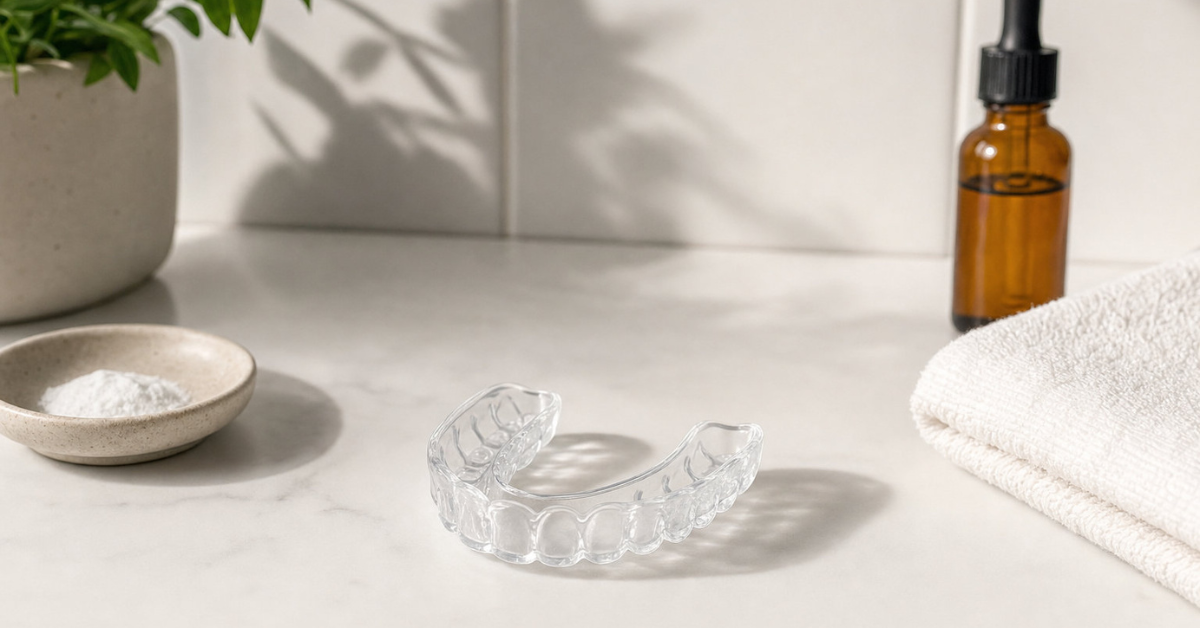
How Teeth Whitening Can Fit Into a Self Care Routine
*Collaborative Post
A confident smile is often considered an essential element of everyday wellbeing. Incorporating teeth whitening into your self-care routine can help you feel more positive about your appearance, much like skincare, quality sleep, and proper hydration. Understanding how to achieve safe results is important for both your oral health and comfort.
More people are including oral aesthetics as part of their self-care priorities to boost their sense of wellbeing. Teeth whitening Berkhamstead, when included within regular routines, is increasingly connected to maintaining not just your smile but also your overall feeling of wellness. Considering its popularity, learning the essentials of tooth whitening can help set realistic expectations and support oral health. This topic is useful for anyone looking for a practical approach to appearance and self-confidence.
Confidence, self-care, and the role of your smile
Building confidence often begins with small daily rituals, and many people find that caring for their smile fits naturally alongside their skincare, hydration, and relaxation habits. The way your teeth look can influence how you present yourself in social and professional contexts.
Brighter teeth are often associated with standards of beauty and wellness. Including teeth whitening in your self-care routine can help reinforce a sense of accomplishment and positive habits, which may enhance everyday wellbeing. By choosing gentle, effective methods, you can support both your oral health and self-image.
What tooth whitening can and cannot do
Tooth whitening aims to lift stains and refresh the natural shade of your enamel. It is important to note that the goal is not to achieve “perfect white” teeth, but to enhance your own natural brightness.
Results can vary based on genetics, existing stains, age, and oral hygiene. Some stains may be deeper and more difficult to remove entirely. Because of these variations, having realistic goals for whiter teeth supports long-term satisfaction and dental comfort.
Common reasons for teeth appearing dull or stained
Common items such as tea, coffee, red wine, some spices, and tobacco can all contribute to enamel stains over time. Natural ageing can also cause dullness, as enamel thins and the underlying dentine becomes more visible.
Certain medications may contribute to tooth discolouration as well. Plaque build-up from inconsistent brushing or flossing can make stains easier to develop. If you manage these factors, you may see a greater impact from teeth whitening practices.
Making safe choices for lasting comfort and results
The most reliable way to whiten teeth is by following products or methods recommended by dental professionals. Over-the-counter products vary in strength; those labelled as gentle typically have lower levels of bleaching agents and call for less frequent use. People with sensitive teeth can reduce discomfort by spacing out whitening sessions and proceeding gradually.
Professional treatments usually allow for controlled results, but there are times to pause or ask for advice. For example, emergency dentist Loughborough may be needed if you experience severe gum irritation, notice new cavities, or suspect enamel weakening. Monitoring your oral health before starting a whitening routine supports your broader self-care goals.
Maintaining results with supportive daily habits
Good oral hygiene helps maintain the effects of tooth whitening. Brushing and flossing twice daily, drinking water after consuming staining foods, and using a straw for beverages that could discolour enamel can all contribute to longer-lasting results.
It is advisable to wait at least half an hour before brushing after eating acidic foods to protect softened enamel. Including these practices in your routine can make the benefits of whitening last longer and reduce the need for repeated treatments.
Reducing waste and aligning with lifestyle values
Choosing eco-friendly self-care products and limiting unnecessary purchases can help support both dental and environmental wellbeing. Multi-use trays or products with minimal packaging may reduce waste compared to single-use alternatives.
Maintaining regular oral hygiene, rather than frequent use of whitening products, can lower your environmental impact and support ongoing oral health. Developing habits around mindful product choices can improve the sustainability of your self-care routine.
Understanding when professional advice is necessary
Some circumstances require consulting a dental professional before starting whitening measures. Conditions such as gum pain, untreated cavities, enamel loss, pregnancy, or wearing braces and aligners should be evaluated by a dentist.
A dentist can assess if whitening is suitable for your needs and guide you on timing and methods. Seeking advice in these cases can reduce complications and keep your self-care practice safe and effective.
Approaching teeth whitening as one part of your self-care routine allows for informed and balanced decisions. Combining cosmetic improvements with attention to long-term oral health helps promote confidence and comfort in daily life.
*This is a collaborative post. For further information please refer to my disclosure page.
Related Posts:
How Teeth Whitening Treatments Can Transform Your Smile
A smile says a thousand words. It’s the first thing people notice about you. Whether you’re sharing a laugh with Read more
Government Incentives for Switching to Sustainable Heating Systems
It’s freezing this morning so you’ve wrapped yourself in all your blankets. And what’s that? The heating kicks on, and Read more
7 Fun Things to Do Just For You

As a mama, you often spend all of your time and energy focusing on your children. As a woman, in Read more
How Home Podiatry Services Make Foot Care Easier for Seniors
As we age, taking care of our feet becomes increasingly important, yet it’s often one of the most overlooked aspects Read more