
How to Choose a Switchboard Manufacturer in Melbourne: Key Factors for Modern Electrical Projects
*Collaborative Post
Introduction
Electrical systems are essential to the safe and reliable operation of homes, commercial buildings, industrial facilities, and infrastructure. At the centre of many of these systems is the electrical switchboard, which distributes power to different circuits and helps protect equipment and people from electrical faults. As buildings become more complex and businesses rely on increasingly sophisticated equipment, the need for well-designed and dependable switchboards continues to grow.
For builders, electricians, engineers, facility managers, and business owners, understanding how to choose a switchboard manufacturer in Melbourne can make a significant difference to a project’s safety, efficiency, and long-term performance. The right solution depends on more than the initial purchase price. Design requirements, manufacturing quality, compliance, and ongoing support should all be considered.
1. Understand the Role of an Electrical Switchboard
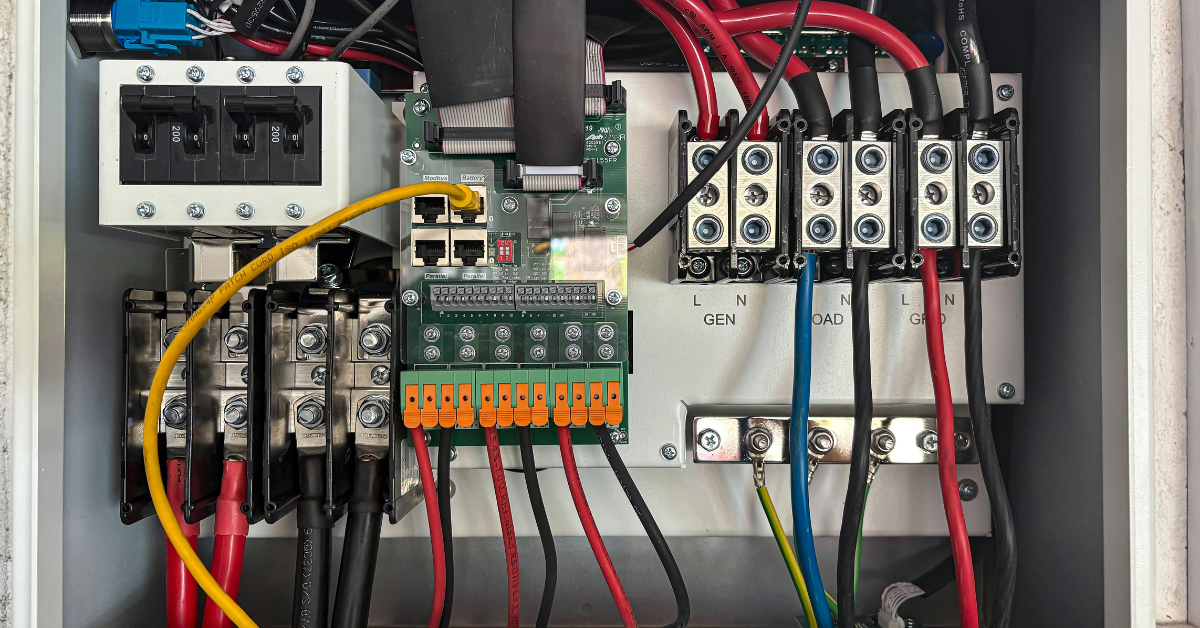
An electrical switchboard receives electrical power and distributes it to various circuits throughout a building or facility. It also houses protective devices that help manage electrical faults, overloads, and short circuits.
Switchboards are used in a wide range of environments, including residential developments, offices, retail premises, factories, warehouses, and commercial infrastructure.
Depending on the application, a switchboard may need to accommodate different current ratings, circuit configurations, monitoring systems, and protection requirements. Understanding the intended use is therefore the first step towards selecting a suitable design.
2. Consider the Specific Needs of Your Project
Not every electrical installation has the same requirements. A small commercial property may need a relatively straightforward distribution arrangement, while a manufacturing facility could require a more complex system capable of supporting heavy machinery and multiple production processes.
Before approaching a manufacturer, consider the following factors:
- Electrical load: Identify the equipment and circuits the switchboard must support.
- Available space: Determine where the switchboard will be installed and how much room is available for access and maintenance.
- Operating environment: Consider exposure to dust, moisture, heat, vibration, or other environmental conditions.
- Future expansion: Allow for potential changes in equipment, building use, or electrical demand.
- Access requirements: Ensure the design supports safe operation, inspection, and servicing.
Providing accurate project information helps the manufacturer develop a solution that suits the installation rather than relying on a generic design.
3. Look for Manufacturing Quality and Consistency
The quality of a switchboard depends on its design, components, assembly, and verification processes. Inadequate construction or unsuitable components can create operational problems and increase maintenance requirements.
When evaluating a switchboard manufacturer in Melbourne, ask about its manufacturing procedures, component selection, assembly practices, and quality assurance measures.
A structured quality process should include appropriate inspections and testing at relevant stages. Documentation should also be available to help installers and maintenance personnel understand the equipment’s configuration and requirements.
Consistency is particularly important for businesses managing multiple sites or large projects. A manufacturer with clear processes can help ensure that equipment is produced to the agreed specifications.
4. Check Compliance With Relevant Australian Standards
Electrical safety and regulatory compliance should be central to every switchboard project. Requirements depend on the equipment, installation, intended use, and applicable regulations.
In Australia, relevant requirements may include AS/NZS 61439 for low-voltage switchgear and controlgear assemblies, along with applicable state electrical safety rules and installation requirements.
However, compliance should never be assumed simply because a product is described as Australian-made or professionally manufactured. Ask what standards apply to the proposed assembly, what verification has been completed, and what technical documentation is supplied.
Electrical design, installation, inspection, and commissioning should be undertaken by appropriately qualified professionals in accordance with applicable requirements.
5. Evaluate Customisation and Design Flexibility
Some projects can use standard switchboard configurations, while others require equipment designed around specific operational demands.
Customisation may involve enclosure dimensions, circuit arrangements, metering, control equipment, protection devices, cable entry locations, or integration with existing electrical infrastructure.
A manufacturer should be able to discuss the practical advantages and limitations of different options. The goal is to achieve a design that meets the project’s requirements without introducing unnecessary complexity or cost.
It is also worth considering whether the switchboard can accommodate future modifications. Appropriate spare capacity and a well-planned layout can make later upgrades more manageable, provided these provisions are included in the engineering design.
6. Assess Communication and Project Coordination
Switchboard manufacturing is often one part of a larger construction or electrical installation project. Delays in drawings, approvals, component supply, or delivery can affect other trades and the overall schedule.
Clear communication helps reduce these risks. Before committing to a manufacturer, establish the expected design approval process, production lead time, delivery arrangements, and responsibilities for installation and commissioning support.
It is useful to clarify who will answer technical questions, manage design changes, and provide documentation. Early coordination between the manufacturer, electrical contractor, engineer, and project manager can prevent misunderstandings later.
7. Compare Long-Term Value Rather Than Price Alone
Price is an important consideration, but the cheapest initial quote does not always represent the lowest overall cost.
A meaningful comparison should consider:
- The suitability of the proposed design.
- Component quality and availability.
- Compliance and verification documentation.
- Manufacturing lead times.
- Installation and maintenance accessibility.
- Warranty conditions and technical support.
- Potential costs associated with future upgrades.
A well-designed switchboard can support reliable operation and make routine maintenance easier. Comparing quotations against the same technical specifications is one of the best ways to assess value fairly.
8. Consider Maintenance and Future Electrical Demands
Electrical requirements can change as a business expands, machinery is replaced, or building systems are upgraded. A switchboard should therefore be considered as part of the site’s longer-term electrical infrastructure.
Ask whether the design allows reasonable access to components, whether circuit identification is clear, and whether relevant drawings and records will be available after installation.
Maintenance should be planned according to the equipment manufacturer’s recommendations, the operating environment, and applicable electrical safety requirements. Any modifications should be assessed and carried out by qualified personnel.
Conclusion
Choosing a switchboard manufacturer in Melbourne involves balancing safety, technical suitability, manufacturing quality, compliance, cost, and long-term support. By understanding the project’s electrical requirements, checking relevant standards, reviewing quality processes, and planning for future demand, project teams can make more informed decisions.
A careful selection process also encourages better communication between manufacturers, engineers, electricians, and building owners. Rather than focusing exclusively on price or delivery speed, consider how the switchboard will perform throughout its service life. This broader perspective helps create electrical installations that are practical, maintainable, and suited to the demands of modern buildings and businesses.
*This is a collaborative post. For further information please refer to my disclosure page.
Related Posts:
Avoid a Plumbing Emergency! Simple Checks Every Mum Should Do

Plumbing emergencies can prove to be a real nightmare, putting your routine and comfort on hold, and sometimes requiring a Read more
A Simple Guide to Personalised Ribbons

*Collaborative Post Need that finishing touch to add that extra bit of wow factor to your party favours? Wondering how Read more
Picture Perfect on Social Media?

Images uploaded constantly on social media sites, such as Facebook and Instagram, can portray lives in such a way that Read more
Tips for Coping With the Death of a Spouse

No one is ever really prepared for the death of a spouse. It comes as a shock and leaves us Read more