
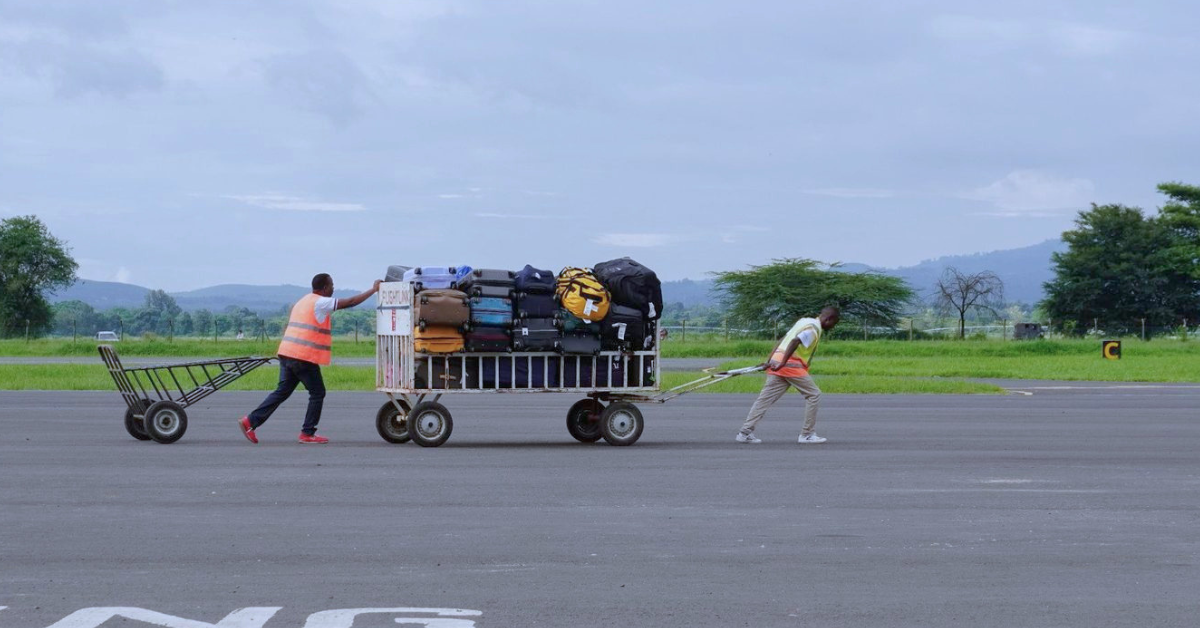
How to Make Travelling With Bulky Gear Less Stressful
*Collaborative Post
Travelling with children, camera equipment, sports gear or outdoor kit can make an exciting trip feel much harder than expected. The extra bags, awkward shapes and valuable equipment all need to be considered before you set off. Good preparation can make a big difference, particularly if your journey involves several forms of transport.
The key is to plan how your gear will be carried, stored and protected at every stage of the journey. A suitable case can prevent damage to equipment, while wheels can make heavier items much easier to move. It also helps to organise everything before leaving home rather than trying to work out a solution at the airport or halfway through a road trip.
Why Is Bulky Travel Gear So Hard to Manage?
Bulky equipment takes up valuable space and can quickly become difficult to carry. A family travelling with bikes, camping equipment or outdoor toys may already have a car full of luggage. Photographers might have cameras, lenses, tripods and lighting equipment, while active travellers can have specialist equipment that cannot simply be squeezed into a standard suitcase.
Weight is another consideration. Carrying heavy equipment through airports, railway stations or accommodation can be tiring, especially when there are children to look after at the same time.
There is also the question of protection. A soft bag may be convenient for some items, but fragile or expensive equipment may need greater protection from knocks and pressure. If something is damaged at the start of a trip, replacing or repairing it can be difficult and expensive.
Thinking about these problems before travelling means you can choose storage and transport options that suit your journey rather than improvising later.
How a Flight Case With Wheels Can Make Travel Easier
For heavy or valuable equipment, a flight case with wheels can make moving everything from one place to another considerably easier. Flightcase Warehouse is a UK supplier offering flight cases for areas including cameras, computers, musical equipment, tools and specialist equipment.
The wheels are particularly useful when equipment needs to be moved over longer distances. Instead of repeatedly lifting a heavy case, you can pull or push it across suitable surfaces. This can be helpful when travelling between a car park, terminal, accommodation and an activity location.
A protective case can also provide dedicated space for equipment. Rather than putting delicate items alongside shoes, clothing and other luggage, you can keep them together and protected.
This does not mean every traveller needs a specialist case. For lightweight belongings, a normal suitcase or backpack may be perfectly suitable. The important thing is to consider the size, weight, value and fragility of what you are carrying.
Choose Your Equipment Before You Choose Your Case
One of the easiest ways to create extra travel stress is to buy or pack a case without first working out exactly what needs to go inside it.
Start by making a list of the equipment you genuinely need. For a photography trip, this could include camera bodies, lenses, batteries, chargers and a tripod. A family heading on an outdoor holiday may need different items, such as camping equipment, sports gear or specialist accessories.
Once you know what needs to travel, consider its dimensions and combined weight. Equipment should have enough room to pack safely without leaving large empty spaces where it can move around.
It is also worth considering whether you will add equipment later. If you are travelling for an event, a photography project, or an outdoor activity, you may need additional accessories once you arrive. A little spare capacity can be useful, but there is no benefit in carrying a much larger case than necessary.
Pack Heavy Equipment With Protection in Mind
How you pack your gear is just as important as the case you choose.
Place heavier items so they are properly supported, rather than letting them sit on top of delicate equipment. Use suitable padding around items that could be scratched, dented or damaged by movement.
Keep smaller accessories organised too. Batteries, memory cards, cables and chargers can easily disappear into a large case. Small pouches or compartments can make these items easier to find.
Photographers should pay particular attention to lenses and cameras. Lens caps should be secured, and equipment should be protected from knocks. If you are travelling somewhere with significant temperature changes, allow equipment time to adjust gradually when necessary.
For families, keeping frequently needed items accessible can also help. Snacks, wipes, clothing and entertainment should not be buried under equipment that will only be used at your destination.
Think About Every Part of the Journey
A case that works well in the car may be less convenient once you reach an airport or train station.
Consider how far you will need to carry your equipment on foot. Think about lifts, stairs, pavements, hotel corridors, and the distance between transport connections. If you have several bags and children, reducing what you need to carry can make the journey considerably easier.
Road trips present different challenges. Heavy cases should be secured in the vehicle so they do not slide during sudden braking. They should also be arranged so you can reach essential items without unpacking the entire boot.
If your trip involves multiple destinations, think about how often you will be packing and unpacking. A well-organised case can save time each time you move to a new location.
Make Family Travel Easier by Giving Everything a Place
Travelling with children often means carrying considerably more than expected. Clothes, food, toys and activity equipment can quickly fill a boot or luggage compartment.
Keeping specialist equipment separate can make family travel more manageable. Rather than having loose items spread across several bags, group similar equipment together and label it clearly.
This is particularly useful if more than one adult is handling the luggage. Everyone can quickly identify which case contains the camera equipment, sports gear or outdoor kit.
It also makes packing at the end of a holiday easier. When everything has an allocated place, it is less likely that an important accessory will be left behind.
Travelling With Camera Gear? Plan for Quick Access
Photographers often need a balance between protection and accessibility. A case can keep valuable equipment secure during transport, but you may also need to access a camera or lens quickly when an unexpected opportunity arises.
Before leaving, decide which equipment you are most likely to use. Keep essential accessories together and avoid placing them under items you rarely need.
If you are photographing outdoors, check the conditions before travelling. Dust, rain, mud and sand can all pose problems for sensitive equipment. A suitable protective case can form part of a wider approach to keeping your gear safe, alongside waterproof covers and careful handling.
It is also worth backing up important photographs whenever possible. Equipment protection can reduce the risk of physical damage, but a backup helps safeguard the memories stored on your devices.
Consider Weight, Size and Transport Rules
Before travelling by air, check your airline’s current baggage requirements. A protective case can make equipment easier to transport, but its size and weight must still comply with the relevant rules.
Do not assume that an item can be taken into the cabin simply because it contains valuable equipment. Airlines have different restrictions, and some specialist equipment may require separate arrangements.
For road trips, measure the available storage space before packing. This is especially important if you are hiring a smaller vehicle than the one you normally use.
Taking a few measurements before leaving home can prevent an awkward surprise when everything needs to fit into the boot.
Give Yourself More Time on Travel Days
One of the simplest ways to reduce stress is to avoid rushing.
Bulky equipment takes longer to load, unload and check. Allow extra time at airports, railway stations and accommodation, particularly when travelling with children.
Arriving early also gives you time to deal with unexpected problems. A full car park, a long queue, or a lift out of service is much easier to handle when you are not already running late.
If you are travelling as a family, give older children small responsibilities, such as checking their own bags or helping identify important equipment. This can make the process more organised and give everyone a clearer idea of what needs to happen before setting off.
Make the Gear Work for Your Adventure
The best travel equipment is the equipment that makes your trip easier, not one that adds another problem to solve.
Start by considering what you are taking, how far it needs to travel and how much protection it requires. Then choose suitable storage, organise the contents carefully, and consider how you will move everything between stages of the journey.
For photographers, adventure travellers and families with specialist equipment, a protective wheeled case can be a practical addition to the packing process. It can help reduce lifting, keep equipment together and make bulky gear easier to move.
Most importantly, do not let the amount of equipment take over the trip. Plan carefully, pack what you genuinely need, and make sure the things you carry support the experience you are going to enjoy. Whether you are heading off for a family adventure, a photography break or an active holiday, thoughtful preparation can leave you with less luggage-related stress and more time to enjoy where you are going.
*This is a collaborative post. For further information please refer to my disclosure page.
Related Posts:
The 2025 Habit Reset: 10 Healthy Habits to Ensure Happier Trips
Travel has a way of expanding our worlds, yet it often comes at a hidden cost: disrupted routines, jet-lagged exhaustion, Read more
7 Must-See Natural Wonders of Bali Near to Seminyak

*Collaborative Post Seeing the world and all that it has to offer has always been an ambition of mine. We Read more
8 Fall Family Trips to Take This Year

Many families forget about vacation once the summer ends, but they’re missing out on some of the peak travel time. Read more
A Winter Escape To Australia: What To Pack

*Collaborative Post The winter chill is really beginning to set in now, and alas, it doesn’t look it’s going to Read more