
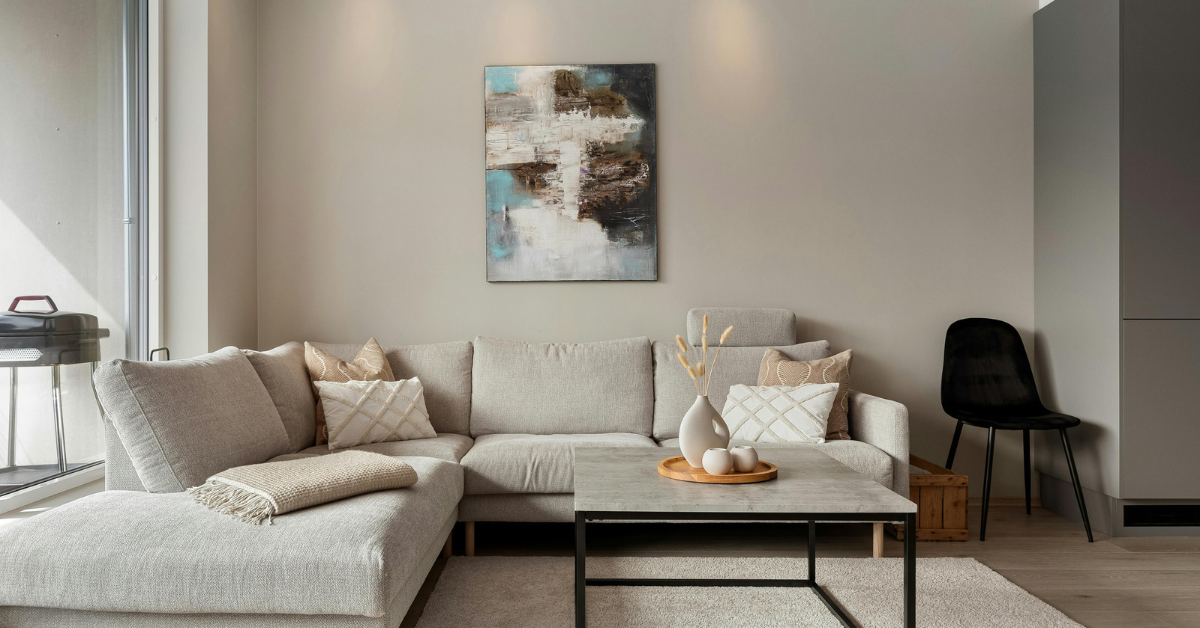
How to Style Large-Scale Photographs in Your Home
*Collaborative Post
Large photographs, whether of a person, nature, an urban landscape, stunning architecture, or an abstract subject, can become a focal point in your home, preserving a memory, showcasing beautiful architecture and design, or simply adding a chosen emotion or ambiance to a space. They can also be challenging to style, since they can feel overwhelming if the image, frame, positioning, or surrounding décor is incompatible. When styling a large photograph, treat it like a valuable piece of art, not just a larger version of a snapshot. The key is for your photograph to feel like it complements other items while still serving as an object of contemplation and a conversation starter.
Choosing an Image That Works at Scale
Top artists worldwide, including Jeff Wall, Stephen Wilkes, and Gregory Crewdson, prefer large-scale images, using giant formats to immerse viewers in the heart of their pictures. Beautiful images vary greatly in the scope they cover and in their feel. If you are familiar with the famous Mitch Dobrowner series Mammatus, you may recall the image Storms, which features an almost apocalyptic storm. It is stunning, dramatic, and awe-inspiring, though a little ominous. In contrast, Day to Night from Stephen Wilkes’s Ipanema Beach series features people on the beach as the sun sets over the horizon. Full of color, light, and action, the foreground contrasts gently with the background, where the sea fades into darkness as the sun’s last golden rays peek from the clouds. Whether you want to buy a print from a well-known artist or print your own work, ask family and friends for a little feedback. What thoughts and emotions does your chosen image evoke? Do its colors complement your home’s design style well? Is this a picture you could enjoy contemplating for years to come? The answers will help you choose an image that lifts your mood while fitting your sense of style.
Choose a Display Style
You can display large-scale photographs with or without a frame, but this seemingly simple decision can actually be one of the most important ones you make. Frames, after all, are both physical and psychological bridges between the photograph and its viewers, shaping how people perceive its value, mood, and context. For instance, traditional wood or ornate frames with detailed carvings, gilded gold leaf, or rich, dark finishes can add historical weight, elegance, and grandeur to a work, while modern and minimalist frames with clean lines keep the focus entirely on the photograph itself, much like displaying it without a frame. Thickness, material, and color all matter and strongly affect how an image is perceived. Frames can be slim or wide, and range from natural wood to sleek white or gleaming metal. Whichever style you choose, make sure it complements the photograph rather than stealing attention or clashing with surrounding furniture or the photo itself.
Styling Around Your Photograph
Your photograph doesn’t have to take second place when it comes to styling the rest of your space. If you wish to give it prominence, ensure that smaller decorative elements repeat the colors in your image, or vice versa. To keep the photograph from losing impact when people enter the space, keep nearby decor minimal. Pair your image with plants, a standing lamp, or a mirror if you have a bit of extra space to fill. If you are passionate about two or three photographs, you can frame two 50x70cm photographs instead of one large one. If you do so, make sure that the images share a clear visual link.
Choosing Places in Your Home to Display Photographic Art
Keen photographers often have vast collections of work they want to print and display at home. While large-scale horizontal photos often go in living rooms above the sofa, other spaces can be equally ideal if you want to print more than one piece at that scale. For instance, if you have a narrow hallway or transitional space, you can turn it into a mini-gallery with vertical photographs, a coordinated series, or a sequence of images that leads the eye through the space. A dining room, meanwhile, is a fine place for landscape, still life, or abstract images that complement the room’s mood. Bedrooms are a great place for a photographic focal point that creates a sense of calm and tranquility. Home offices or studies can likewise benefit from photography that adds personality and visual interest.
Large photographs command attention and make excellent statement pieces and conversation starters. If you’re considering embellishing a living room, bedroom, or other space with a large image, choose your image carefully and consider its scale and frame before printing. Give it room to breathe and embrace decorative touches that complement the artwork without stealing the spotlight.
*This is a collaborative post. For further information please refer to my disclosure page.
Related Posts:
5 Investments That Can End Up Saving You Money In The Long-Term

Investing your money wisely can lead to significant savings over time, mitigating future expenses and even generating substantial returns. Here Read more
What To Do If You Can’t Enjoy The Gym

Gyms are incredibly resourceful and useful spaces. Even if you have an at-home workout routine, it’s generally recommended that you Read more
Get The Joseph Gordon-Levitt Style

*Collaborative Post Joseph Gordon-Levitt (or as some affectionately call him, JGL) is a long-standing star. Starting his career young, he entertained Read more
Creative Ways to Involve Family and Friends in Your Proposal
A proposal of marriage should be a truly wondrous occasion. Ideally, it should be something that the two of you Read more