
Self-Care After Childbirth: Reclaiming Your Body and Confidence
*Collaborative Post
Having a baby (or babies) puts a whole new level of strain on your body. Carrying them for 40-ish weeks, delivering them, and keeping them safe once you’re home is exactly what it sounds like: the most magical experience, but also a challenging one.
If you think the hardest part is the delivery, you should know that postpartum physical recovery can also be challenging.
This is not to scare you or deter you from having kids. But I think it’s important to speak about the difficulties that new moms may experience on top of taking care of their newborn baby. Because rest, a balanced diet, and enough hydration sound great to recover from any physical overexertion, but are these realistic when there is a newborn who requires constant care (and lovely cuddles)?
That’s why I want to talk about self-care after childbirth; from body changes to physical recovery, pelvic floor therapy, and self-confidence.
The Body Changes after Pregnancy Nobody Prepares You For
While every woman has their own experience with pregnancy, there are some common struggles. As I wrote about on my own postpartum body changes post, some difficulties or unexpected can happen after delivery.
Here are some of them:
Diastasis recti: Shortly after I gave birth, my physio recommended I started doing hypopressive exercises because I had a minor case of diastasis recti. What this meant: my abdomen muscles had opened up to make room for my growing belly, and they still hadn’t “closed” back enough.
This is one of the most common body changes after pregnancy, so if you feel some sort of gap on your abdomen after delivering your baby, you might want to ask your doctor about whether you should start hypopressive exercises or not.
Hormonal shifts: There are a lot of hormonal changes after giving birth, but one of the most important ones relates to estrogen. During pregnancy, estrogen increases by about 100 times, and abruptly declines after giving birth. This dramatic change in hormones could be related to worsening postpartum depression, among other factors.
Hair loss and regrowth: A lot of women experience hair growth increase during pregnancy, alongside stronger, shinier hair. And suddenly, shortly after giving birth, all that newfound strength seems to vanish. Your hair starts falling off, and in time you end up with lots of baby hair that makes styling your mane an impossible task.
Postpartum Physical Recovery: What’s Happening Beneath the Surface
Nobody hands you a manual with the details of what your body is doing during postpartum physical recovery, once you’re home and the six-week check-up has “cleared” you. Cleared doesn’t mean fully healed; it just means many risks have passed.
Your uterus is still shrinking back down, any tearing or incision is still knitting itself together, and your muscles and connective tissue are quietly renegotiating after nine months of being stretched, shifted, and squeezed into new shapes.
Research shows pelvic floor changes affect a significant percentage of women well beyond the postpartum window most of us are told to expect (which was honestly a relief to learn); it meant the heaviness and the “something feels different down there” sensation wasn’t just me being impatient. I found real relief in following an actual plan instead of winging it.
(I wrote about this in more detail in my steps to recover after a difficult labor and delivery post.)
Pelvic Floor Health After Childbirth and When to Explore Further Options
Pelvic floor health after childbirth doesn’t resolve on the same tidy timeline as your discharge paperwork, which is why it needs its own recovery plan.
For most of us, it starts with the basics: Kegels, done correctly and consistently, plus guided pelvic floor physiotherapy if you can get a referral. ACOG lists this as the first line of treatment for pelvic floor symptoms after childbirth.
But it’s also worth knowing that Kegels and physio don’t resolve everything for everyone. If you’ve been consistent for six months to a year and you’re still dealing with laxity, discomfort, or a lack of improvement, that’s not a sign you’re doing it wrong; it can simply mean that your body needs more than what conservative measures can offer.
That’s the point where it’s worth having an honest conversation with a specialist about options to address vaginal laxity postpartum, so you understand exactly what’s going on and what next steps you can take to improve your discomfort, rather than just living with it.
Postpartum Self-Care Tips That Work
The postpartum self-care tips that helped me were smaller and more specific yet more practical than the classic “rest when the baby rests,” which is lovely advice from someone who has clearly never had a baby.
The things that did work: batching easy meals in the third trimester meant future me didn’t have to think about what to cook, saying yes when someone offered to hold the baby so I could shower without an audience genuinely helped, and good perineal or incision care to speed things along (which I underestimated).
How to Rebuild Confidence After Having a Child
Nobody warns you that the hardest part of confidence after childbirth isn’t really about your body, it’s about not quite recognizing yourself yet.
There’s actually a name for this transition: matrescence, the developmental shift into motherhood, and research increasingly links body image directly to physical postpartum symptoms, which tracks. It’s hard to feel confident in a body that still feels unfamiliar or uncomfortable. What helped me most wasn’t waiting to “get my body back,” but rather:
- Dressing for the body I actually had that week
- Giving myself small wins that had nothing to do with the baby
- And slowly reconnecting with things I liked before I became a mum.
I wrote a whole post on rebuilding that sense of self through what I wore postpartum, if you want the practical version of this.
Closing Thought
Self-care after childbirth was never going to be a checklist I completed and moved on from, it’s ongoing, messy, and different every week. Some days it’s a Kegel while you brush your teeth, other days it’s asking for real help. Be patient with yourself; you’re not behind.
*This is a collaborative post. For further information please refer to my disclosure page.
Related Posts:
How You Can Look After Your Baby By Looking After Yourself

*Collaborative Post When you have a baby your world changes forever, no longer is your life all about you but Read more
Happy Beaks Garden Bird Essentials Review and Giveaway
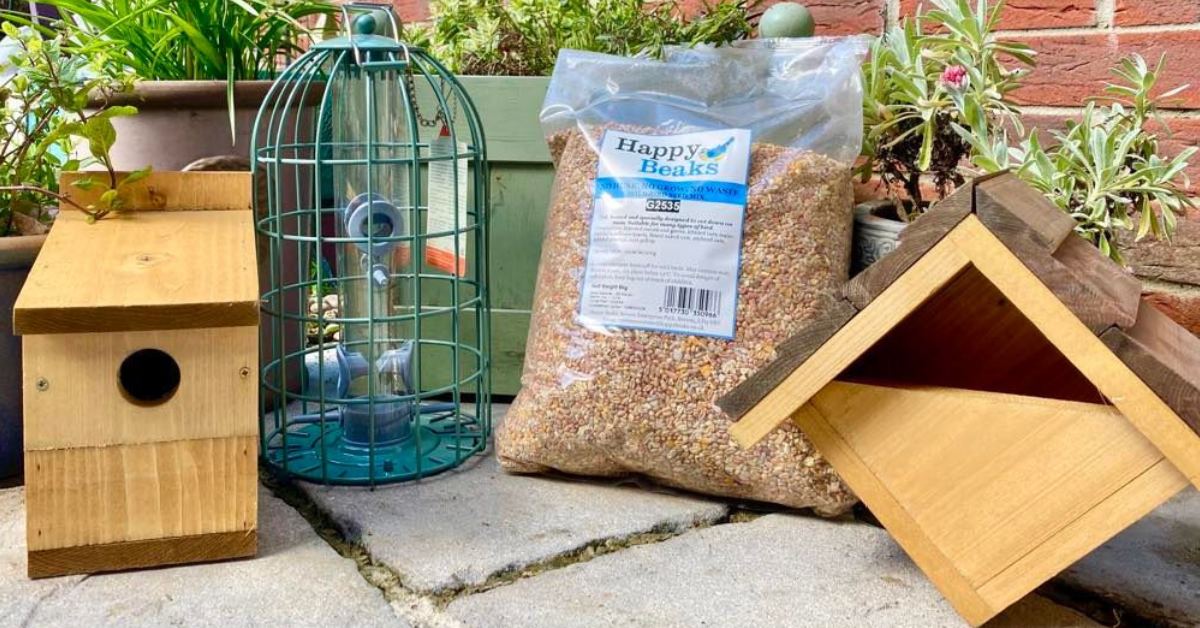
*Ad Attracting more wildlife to our garden has been something that we have been working hard on for the last Read more
Girl’s Bedroom Ideas That Grow With a Kid and Feel Truly Special

Designing a bedroom for a young girl is about so much more than picking a favorite color. It's about creating Read more
5 Modern Ways To Update Your Bathroom

*Collaborative Post The bathroom, it can be a tricky room to update, can't it? Most modern homes have small bathrooms Read more